There are certain recipes that never announce themselves loudly, yet somehow become woven into the fabric of your mornings. Banana pancakes did that for me long before I realized they’d become a small tradition in my kitchen. I still remember the morning that truly sealed my affection for them. It was a rainy Saturday in late spring, and I had been running around all week, stretched between errands, deadlines, and the endless tug-of-war between what needed to be done and what I actually wanted to do. That morning I opened the fruit bowl and found three very soft bananas—speckled, slumped, almost pleading not to be wasted. I didn’t have the energy for anything complicated, but I also didn’t want them to end up in the freezer for the hundredth time. So I mashed them with a fork, stirred them into a simple batter, and cooked off pancakes without much thought.
Somewhere between the first and second batch, the house started to smell like warmth and comfort. The kind of smell that softens the edges of your mood. I flipped the pancakes, watching the batter bubble and set, and felt something loosen in my shoulders that I hadn’t even realized was tight. By the time I sat down with a plate of those pancakes—tender, lightly sweet, a little custard-like in the center—I remember thinking, this is the sort of breakfast that reminds you it’s okay to slow down. It’s okay to not rush everything. It’s okay to lean into small pleasures. These banana pancakes have been my soft-landing breakfast ever since.
And over the years, I’ve perfected them, not through testing in a professional kitchen, but through real Saturday mornings, sleepy weekday breakfasts, and moments when a bunch of forgotten bananas needed saving. I’ve made every mistake possible along the way—overmixing, undercooking, adding too much liquid, using bananas that were too firm—and now I can confidently share what truly makes a reliable, delicious, forgiving banana pancake. This recipe doesn’t need fancy skills or tools. It just needs you, a bowl, some ripe bananas, and the willingness to slow down for a few minutes and treat yourself to something warm and nurturing.
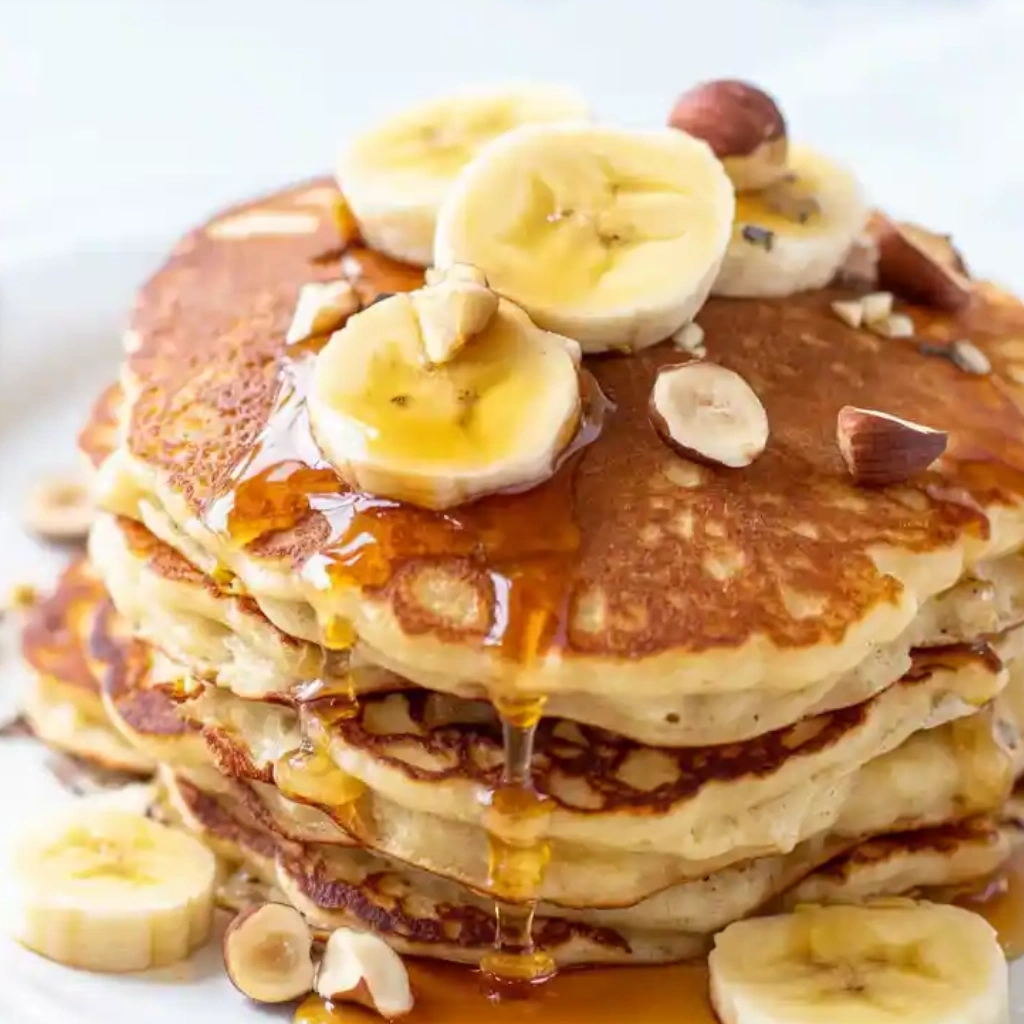
Why You’ll Love This Recipe
- Easy, one-bowl batter that comes together quickly
- Uses ripe bananas you probably already have
- Naturally sweet without added sugar
- Soft, tender texture that feels like a cozy breakfast treat
- Budget-friendly and endlessly adaptable
- Perfect for kids, guests, or simple mornings
- Works well for meal prep or batch cooking
Ingredients You’ll Need
Ripe bananas: The star of the recipe. The riper the better. I always tell readers to use bananas that are far past the point of snacking. If they look too soft for eating, they’re perfect for pancakes. Very firm bananas won’t mash smoothly and won’t provide the natural sweetness and moisture you need.
Eggs: They bind the pancakes and help them rise slightly. I’ve tried flax eggs when cooking for vegan friends, and while the texture changes a bit, the recipe still works.
Milk: Any milk you normally drink works fine. I’ve used everything from whole milk to almond milk to oat milk. If your batter feels too thick, it’s usually the density of the bananas, not the milk. Just splash in a bit more.
All-purpose flour: The flour gives the pancakes structure. You can swap with half whole-wheat flour for a slightly heartier version. I’ve even done a gluten-free blend, and it held up surprisingly well.
Baking powder: Essential for lift. Banana pancakes can get dense if the baking powder is old or if the batter is overmixed. Fresh baking powder is key.
Salt: Just a pinch to balance the sweetness.
Cinnamon (optional): I usually add a little because it rounds out the flavor. Nutmeg works too, but don’t overdo it.
Vanilla extract: A small splash gives the pancakes warmth and depth.
Butter or oil for cooking: Butter gives the pancakes beautifully golden edges, while oil prevents sticking a bit better. I switch between the two depending on my mood.
How to Make It (Step-by-Step Instructions)
1. Mash the bananas.
Peel your bananas and place them in a large mixing bowl. Use a fork to mash them until mostly smooth, with just a few small lumps remaining. Lumps are fine—they melt into the pancakes as they cook. I’ve learned that if you blend the bananas or mash them completely smooth, the pancakes lose some of their charm and become overly soft.
2. Add the eggs and vanilla.
Crack in the eggs and stir them into the banana mixture thoroughly. Add the vanilla extract here too. You want the eggs fully mixed in before adding the dry ingredients so the batter doesn’t become gummy later.
3. Stir in the dry ingredients gently.
Add the flour, baking powder, salt, and cinnamon (if using). I like to sprinkle them evenly over the wet ingredients before stirring so the baking powder doesn’t clump. Fold the batter gently with a spatula. Once the flour disappears, stop stirring. Overmixing is one of the easiest mistakes to make with banana pancakes; it leads to tough, flat pancakes.
4. Adjust the consistency.
Bananas vary wildly in moisture. If your batter looks too thick—like muffin batter—add a splash of milk until it resembles typical pancake batter. If it’s too thin, add a tablespoon of flour at a time. Trust your instincts here. Thicker batter makes more substantial pancakes, while thinner batter spreads more and cooks faster.
5. Heat your skillet.
Place a large nonstick skillet or griddle over medium heat. Let it warm up for a minute or two. If the pan is too hot, the pancakes will darken before they cook through. A moderate heat gives you even browning and a tender interior.
6. Add butter or oil.
Coat the pan lightly with butter or oil. I often start with butter for flavor and switch to oil as I go, especially if I’m cooking a large batch and don’t want the butter to burn.
7. Cook the pancakes.
Drop about a quarter cup of batter per pancake into the pan. Let them cook until small bubbles form on the surface and the edges look set. Banana pancakes often take a little longer to cook through than traditional pancakes, so patience here makes a difference. Flip gently and cook the other side until golden brown.
8. Keep warm or serve immediately.
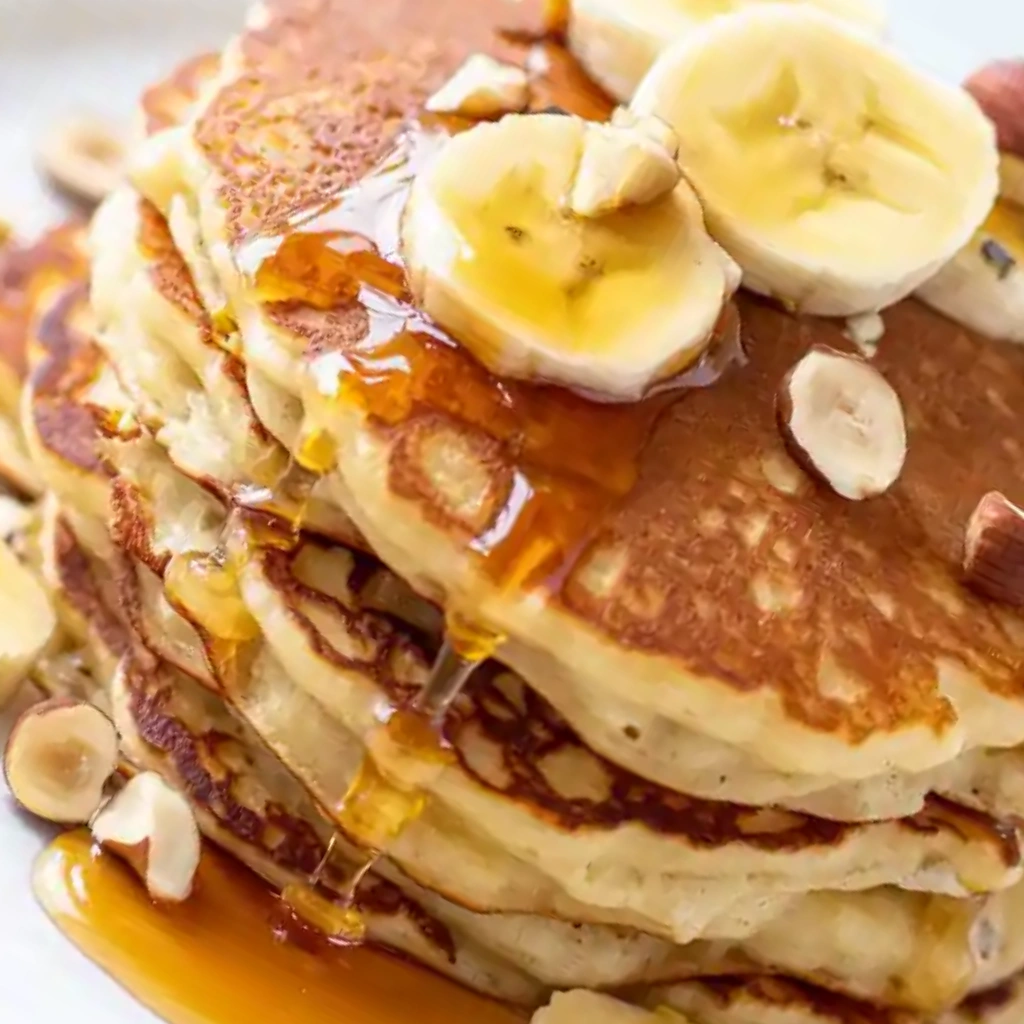
If you’re cooking a big batch, keep the pancakes warm in a 200°F oven. If you’re hungry now, serve them immediately with butter, maple syrup, or sliced bananas.
Expert Tips for the Best Results
The secret to the best banana pancakes is balance—balancing moisture with structure, heat with patience, and what you want them to taste like with how you mix the batter. Riper bananas always make sweeter, softer pancakes, but they also require a lighter touch with the milk so the batter doesn’t turn soupy. Preheating the skillet fully prevents sticking, and letting the pancakes cook low and slow avoids scorching the outside while leaving the center raw, a mistake I made more times than I care to admit. I also learned that the first pancake is often a test pancake, absorbing too much heat or too much butter, and that’s completely normal; the second batch is almost always better. Most importantly, avoid the temptation to overmix—banana pancakes reward gentleness.
Variations & Substitutions
Over the years I’ve played with countless twists on this recipe, usually because I was missing something or feeling adventurous. When I ran out of milk one morning, I whisked in a spoonful of Greek yogurt with a little water, and the pancakes came out richer and slightly tangy. I’ve added mini chocolate chips for kids, blueberries when they’re in season, and chopped walnuts when I want something more substantial. Once, in a pinch, I used a gluten-free baking blend because a friend was visiting, and the pancakes held together just fine. You can even stir in a spoonful of peanut butter or almond butter for a heartier batter; it thickens the pancakes and adds a lovely nutty flavor. This is a recipe that forgives substitutions easily.
Serving Suggestions
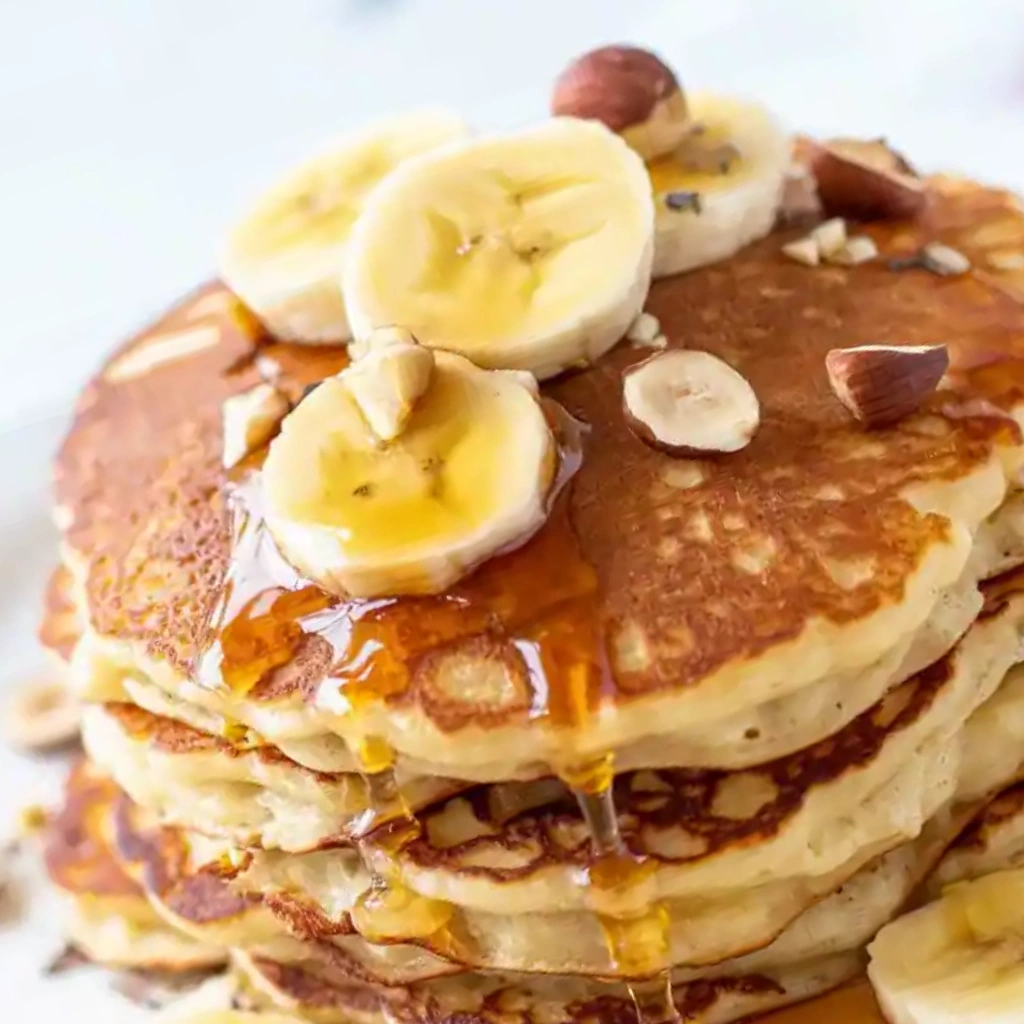
Banana pancakes fit just about any morning, from a slow weekend breakfast to a quick weekday treat if you make the batter ahead. They pair beautifully with maple syrup, honey, or a swipe of softened butter. When I’m feeling indulgent, I top them with caramelized bananas or a spoonful of homemade strawberry jam. For a fresher option, sliced berries or a dollop of yogurt work wonderfully. They also make a cozy breakfast-for-dinner meal, especially when served with scrambled eggs or crispy bacon on the side. Their gentle sweetness keeps them versatile.
Storage & Reheating Instructions
Leftover banana pancakes store surprisingly well. I usually let them cool completely, stack them with parchment between each one, and tuck them into an airtight container in the fridge for up to three days. For longer storage, freeze them in a single layer before transferring to a freezer bag. To reheat, a toaster or toaster oven brings them back to life with the best texture, giving a slightly crisp edge while keeping the inside soft. The microwave works too, though the texture becomes a bit softer. Expect the pancakes to be slightly more tender on reheating due to the banana content, but still delicious.
Recipe FAQs (Answered by Clara)
Can I make this ahead of time?
You sure can. I often prepare it in the morning, cover it tightly, and pop it in the fridge. It actually tastes better after resting.
What’s the best spiralizer to use?
This recipe doesn’t require a spiralizer, but if you’re asking generally, I prefer a simple handheld model that doesn’t take up drawer space. They’re inexpensive and get the job done without fuss.
Can I serve it cold?
You can, though I personally prefer banana pancakes warm. Cold pancakes tend to taste sweeter and denser, which some people like. If serving cold, I recommend topping with berries or yogurt to keep things bright.
How do I make it less watery?
If your batter seems watery, it’s usually because the bananas were extremely ripe or large. Add an extra tablespoon or two of flour and let the batter sit for five minutes. This rest time lets the flour absorb the excess moisture and gives you a thicker, sturdier batter.
Conclusion
Banana pancakes may be simple, but they carry a kind of gentle magic. They’re forgiving, comforting, and endlessly adaptable—exactly the kind of recipe that becomes part of your home cooking story almost without trying. If you make these pancakes, I hope they bring you the same sense of calm and warmth they’ve brought me over the years. I’d love to hear how they turn out for you, whether you follow the recipe exactly or make it your own. Leave a comment, share your version, or simply treat yourself to a slow, kind morning in the kitchen.
Nutrition Information (Per Serving)
Calories: ~210
Fat: ~6g
Carbohydrates: ~34g
Protein: ~6g
Fiber: ~3g
Sugar: ~12g
Banana Pancakes
Ingredients
- 1 cup all-purpose flour
- 1 tablespoon granulated sugar
- 1 teaspoon baking powder
- ½ teaspoon baking soda
- ¼ teaspoon salt
- 1 cup milk
- 1 large egg
- 1 tablespoon melted butter or oil
- 1 teaspoon vanilla extract
- 2 ripe bananas mashed
- Butter or oil for cooking
- Maple syrup sliced bananas, or berries for serving
Instructions
- In a medium bowl, whisk together the flour, sugar, baking powder, baking soda, and salt.
- In another bowl, whisk the milk, egg, melted butter, and vanilla.
- Add the mashed bananas and mix until combined.
- Pour the wet ingredients into the dry ingredients and stir gently—do not overmix.
- Heat a nonstick skillet or griddle over medium heat and lightly grease with butter or oil.
- Scoop ¼ cup batter per pancake onto the skillet.
- Cook for 2–3 minutes, until bubbles form on the surface and the edges look set.
- Flip and cook an additional 1–2 minutes until golden brown.
- Serve warm with maple syrup, extra banana slices, or your favorite toppings.
Notes
- Banana sweetness: Use very ripe bananas for the best flavor.
- Extra fluffy: Let the batter rest for 5 minutes before cooking.
- Add-ins: Chocolate chips, blueberries, or chopped nuts are great options.
- Dairy-free: Use almond milk or oat milk and oil instead of butter.
- Storage: Refrigerate leftover pancakes for 3 days or freeze up to 2 months.