I can’t think about lentil soup without remembering the winter my pantry was almost always down to the basics. Back then, I was learning to live on my own, stretching every grocery dollar, and figuring out what it really meant to feed myself well. Times were tight, but somehow that made every bowl of homemade soup taste even richer. One chilly afternoon, I found a bag of lentils tucked behind some flour and spices—one of those overlooked ingredients you buy with good intentions but never quite get around to using. With a little onion, garlic, and whatever vegetables I had left, I simmered everything together, hoping for the best. What came out of that pot wasn’t just soup; it was a reminder that humble ingredients can be deeply comforting. That simple meal has stayed with me ever since. Over the years, I’ve refined, tweaked, and played with that original idea, but the heart of it remains the same: a warm, nourishing pot that turns an ordinary day into one that feels a little more cared for.
Lentil soup is one of those recipes that teaches you as much as it feeds you. It taught me patience, thrift, flexibility, and above all, the pleasure of coaxing flavor from simple ingredients. Now, when I smell lentils simmering with garlic and spices, I’m instantly transported back to that small kitchen, wrapped in gratitude for everything I had—even when it didn’t feel like much. And that’s exactly the feeling I hope this recipe brings into your home too.
Why You’ll Love This Recipe
- It uses affordable pantry staples you likely already have.
- It’s filling, hearty, and packed with flavor without requiring long cooking times.
- It freezes beautifully and tastes even better the next day.
- It’s naturally wholesome, plant-forward, and easy to customize.
- It works as a main course, lunch prep, or a cozy starter for dinner.
Ingredients You’ll Need
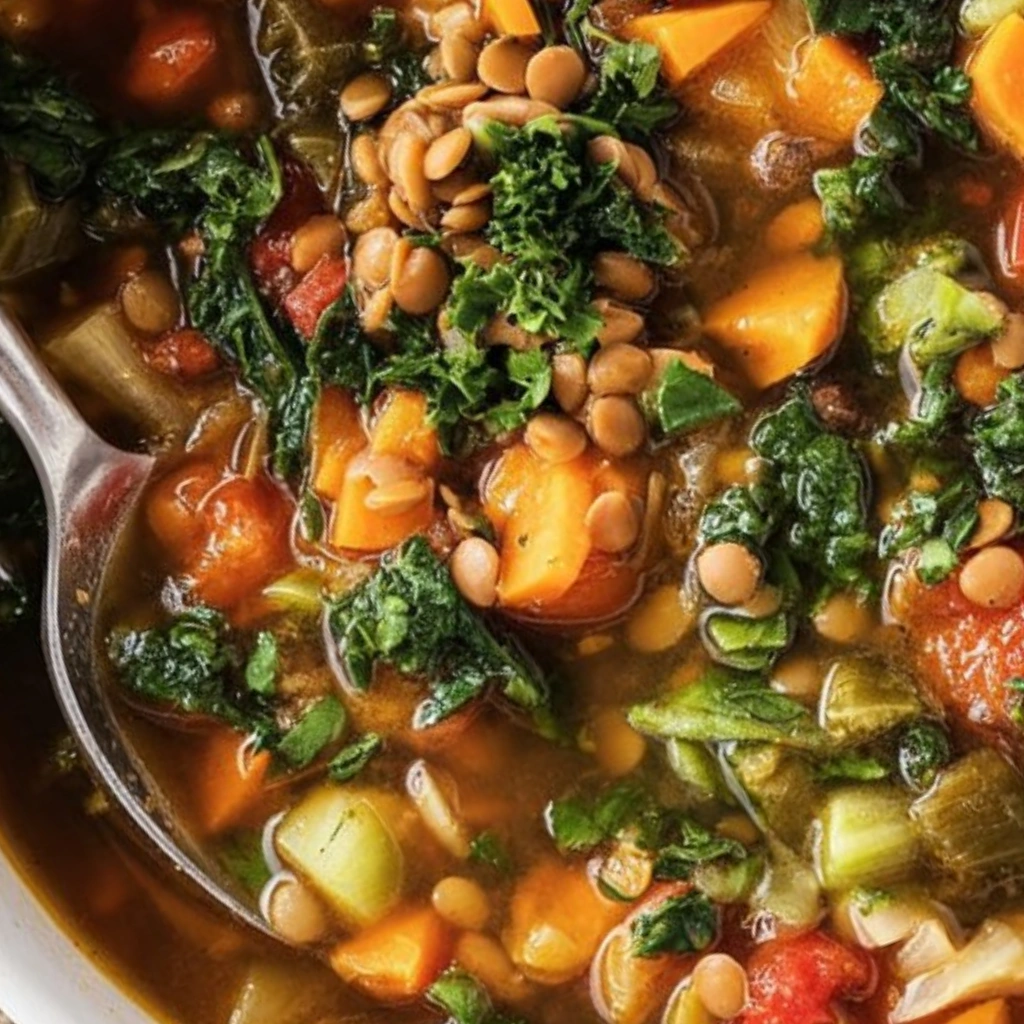
Lentils: I most often use brown or green lentils because they hold their shape while also softening into a creamy texture. Red lentils work too, but they cook much faster and break down more, resulting in a thicker, almost stew-like soup. If you use red, reduce the cooking time by about ten minutes.
Olive Oil: A couple of tablespoons give the base a richness that vegetable broth alone can’t provide. I’ve made the soup with butter when I ran out of oil, and it adds a slightly sweeter depth. Use what your kitchen (and mood) allows.
Onion: A classic soup foundation. Yellow or white onions both work. I’ve even used shallots in a pinch; they lend a more delicate, slightly sweet flavor.
Garlic: Fresh garlic makes a difference here. If all you have is garlic powder, use half a teaspoon, but add it later with the spices to prevent burning.
Carrots and Celery: These two bring sweetness and earthiness. If you’re short on one or the other, don’t worry—this soup is forgiving. I’ve replaced celery with extra carrots before, and no one complained.
Tomatoes: A can of diced tomatoes or a couple of chopped fresh tomatoes adds acidity and brightness that balances the lentils. Tomato paste works too if you prefer a richer flavor.
Broth: Use vegetable or chicken broth, whichever you prefer. Water works in a pinch, though you’ll want to bump up the salt and spices. Broth gives the soup its best flavor, especially a good homemade one, but store-bought works wonderfully.
Spices: I lean on cumin, paprika, and a touch of turmeric to give the soup warmth and complexity. Sometimes I add a pinch of crushed red pepper for heat. A bay leaf is optional but lovely.
Salt and Pepper: Add gradually as the soup cooks so the flavors settle naturally instead of becoming overly salty at the end.
Lemon: This is the secret ingredient. A squeeze of lemon at the end lifts the whole pot and brightens the earthy lentils. I rarely skip it.
Fresh Herbs: Parsley is my usual choice, but cilantro works beautifully too. Even a sprinkle of dried herbs can add character.
How to Make It (Step-by-Step Instructions)
Step 1: Build the Flavor Base
Start by heating olive oil in a large pot over medium heat. Add your diced onion and let it cook until it softens and turns translucent. Don’t rush this step. This is where the soup starts to form its foundation. Once the onion begins to soften, add the carrots and celery. I like to cook them until they lose that raw crunch and start to release their aroma. Then stir in the garlic, but watch it closely—it burns easily. You want it fragrant, not browned.
Step 2: Add the Spices
Once the vegetables are softened, sprinkle in the cumin, paprika, and turmeric. Stir them into the warm vegetables and let them toast for about thirty seconds. This activates the spices and adds a deeper, richer flavor than just tossing them into the broth later. I learned this the hard way the first few times I made lentil soup; the difference between toasting and not toasting is night and day.
Step 3: Add the Lentils and Tomatoes
Pour in your rinsed lentils and stir them around to coat them in the spices and vegetables. Add the diced tomatoes next. If you’re using tomato paste instead, add a tablespoon and let it cook for a minute before adding the broth. This little caramelization step amplifies the flavor.
Step 4: Add the Broth and Simmer
Pour in the broth and add your bay leaf if you’re using one. Bring everything to a gentle boil, then reduce the heat to low and let the soup simmer. For brown or green lentils, this usually takes around 30 to 35 minutes. Stir occasionally to make sure nothing settles on the bottom. Red lentils will cook in about 20 minutes, so keep an eye on them. The soup is ready when the lentils are tender and the broth has thickened to your liking.
Step 5: Taste and Adjust
This is where your palate comes in. Taste the soup and adjust the salt, pepper, and spices. Sometimes I add a little more cumin if I want a warmer profile. Other times, especially in summer, I add an extra splash of lemon to brighten things up.
Step 6: Finish with Herbs and Lemon
Stir in fresh herbs and squeeze in the lemon juice. You might be tempted to skip the lemon, especially if you don’t have one on hand, but I encourage you to try it at least once. It transforms the soup from good to exceptional.
Expert Tips for the Best Results
If there’s one thing lentil soup has taught me over the years, it’s that patience and layering are what elevate simple ingredients into something memorable. Letting the onions truly soften before adding the vegetables creates a sweeter, deeper base, and toasting the spices makes the flavors bloom instead of tasting flat. Lentils cook unevenly if the heat is too high, so a steady, gentle simmer is key. And always wait until the broth has reduced slightly before adjusting the seasoning; the flavor concentrates as it cooks, and jumping in too early can leave the soup overly salty. Finally, don’t underestimate the finishing touches—fresh herbs and lemon juice don’t just garnish this soup; they wake it up.
Variations & Substitutions
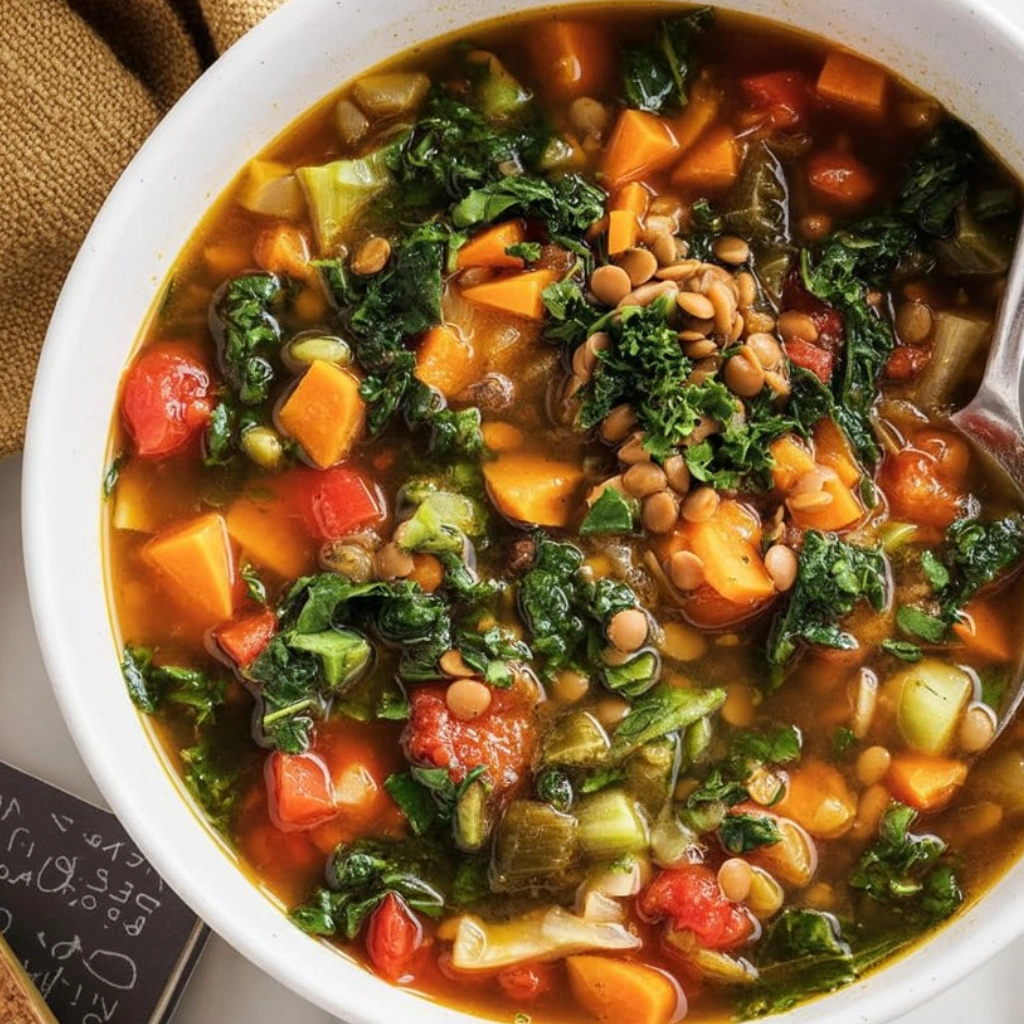
This is one of the most flexible soups in my kitchen, and I’ve made all sorts of last-minute substitutions over the years. Once, I realized halfway through cooking that I was out of carrots, so I tossed in a sweet potato instead, and it gave the soup a lovely sweetness. Another time I swapped the cumin for smoked paprika when I was craving something cozier, and it completely changed the personality of the soup in the best way. If you’re out of broth, water with a spoonful of miso or bouillon works well. You can also stir in spinach, kale, or even leftover roasted vegetables at the end. The soup welcomes whatever you have.
Serving Suggestions
I tend to serve lentil soup as a main course, especially on nights when I want something nourishing but not heavy. A side of crusty bread or warm pita makes it a full meal. Sometimes I add a simple green salad dressed with lemon and olive oil just to round everything out. It’s also a wonderful first course if you’re cooking for guests because it feels homemade and comforting without demanding much attention once it’s simmering. I’ve even packed it in thermoses for chilly afternoon walks.
Storage & Reheating Instructions
Lentil soup thickens as it sits, so expect the texture to become heartier after a night in the refrigerator. I store it in airtight containers for up to four days, and it reheats beautifully on the stove with just a splash of water or broth to loosen it. The microwave works too, though I find the stovetop helps the flavors open back up more gently. If you want to freeze leftovers, let the soup cool completely before portioning it. It freezes for up to three months, and the texture remains surprisingly consistent after thawing.
Recipe FAQs (Answered by Clara)
Can I make this ahead of time?
You sure can. I often prepare it in the morning, cover it tightly, and pop it in the fridge. It actually tastes better after resting.
What’s the best tool to use for chopping the vegetables?
I use my trusty chef’s knife because it gives me the most control, but if I’m really short on time, I’ll pull out my food processor and give the vegetables a few quick pulses.
Can I serve it cold?
I’ve tried it chilled, and while it’s not my favorite way to enjoy it, it does work on a hot day. I recommend adding extra lemon and herbs if you’re serving it cold, as the flavors tend to dull when the soup isn’t warm.
How do I make it less watery?
If your soup turns out thinner than you’d like, just let it simmer uncovered for another ten minutes. The lentils will continue absorbing liquid, and the broth will reduce naturally. You can also blend a small portion of the soup and stir it back in for a creamier texture.
Conclusion
I hope this lentil soup becomes one of those recipes you rely on just as much as I have over the years. There’s something grounding about cooking with ingredients that have been around for centuries—lentils, onions, garlic, spices—and turning them into something that feels like home in a bowl. If you make this recipe, I’d love to hear how it turned out for you. Share your version, leave a note, or simply enjoy the quiet satisfaction of making something warm and nourishing from your own kitchen.
Nutrition Information (Per Serving)
Calories: approximately 260
Protein: 14g
Carbohydrates: 38g
Fat: 6g
Fiber: 15g
Sodium: 630mg (varies by broth used)

Lentil Soup
Ingredients
- 2 tablespoons olive oil
- 1 medium onion diced
- 2 carrots diced
- 2 celery stalks diced
- 3 cloves garlic minced
- 1 teaspoon ground cumin
- 1 teaspoon paprika
- ½ teaspoon turmeric optional
- 1 teaspoon salt more to taste
- ½ teaspoon black pepper
- 1 cup dried brown or green lentils rinsed
- 6 cups vegetable or chicken broth
- 1 14.5 oz can diced tomatoes
- 1 bay leaf optional
- Juice of ½ lemon
- Fresh parsley for serving
Instructions
- Heat olive oil in a large pot over medium heat. Add onion, carrots, and celery. Cook 5–6 minutes until softened.
- Add garlic, cumin, paprika, turmeric (if using), salt, and pepper. Cook for 30 seconds until fragrant.
- Stir in the lentils, broth, diced tomatoes, and bay leaf.
- Bring to a boil, then reduce heat to low. Cover and simmer for 25–30 minutes, or until lentils are tender.
- Remove bay leaf. Stir in lemon juice.
- For a creamier texture, blend 1–2 cups of the soup and return it to the pot (optional).
- Taste and adjust seasoning.
- Serve warm with fresh parsley on top.
Notes
- Lentil options: Brown or green lentils hold their shape best. Red lentils cook faster and create a creamier soup.
- Add greens: Spinach or kale can be added during the last 5 minutes of cooking.
- Make it heartier: Add diced potatoes, sweet potatoes, or cooked sausage.
- Storage: Keeps well in the fridge for up to 5 days and freezes beautifully for up to 3 months.
- Spice variation: Add curry powder or smoked paprika for deeper flavor.