Some recipes enter your life quietly, without ceremony, and before you know it, they become part of your family rhythm. That’s exactly how this Pizza Casserole happened for me. It wasn’t born from careful planning or culinary ambition—it came from one of those evenings when everyone was hungry, the fridge looked bare, and I needed something warm, comforting, and reliable. You know those nights. The kind where ordering takeout feels tempting, but you also want the satisfaction of a homemade meal.
Years ago, after a long day of errands, I opened my refrigerator and saw leftover cooked pasta, half a jar of marinara sauce, and a few slices of pepperoni. It wasn’t much, but I remembered how my kids lit up whenever pizza was on the menu. So, I layered everything in a baking dish, added plenty of cheese, slid it into the oven, and hoped for the best. What came out was bubbly, cheesy, deeply comforting, and instantly loved. That night, Pizza Casserole earned a permanent place in my kitchen.
Since then, I’ve made this dish in countless variations—some planned, many improvised—and it has never failed me. It’s the kind of recipe that doesn’t judge your pantry, doesn’t require perfection, and somehow always tastes better than expected. If you’re craving comfort food that brings everyone to the table with smiles, this Pizza Casserole is for you.
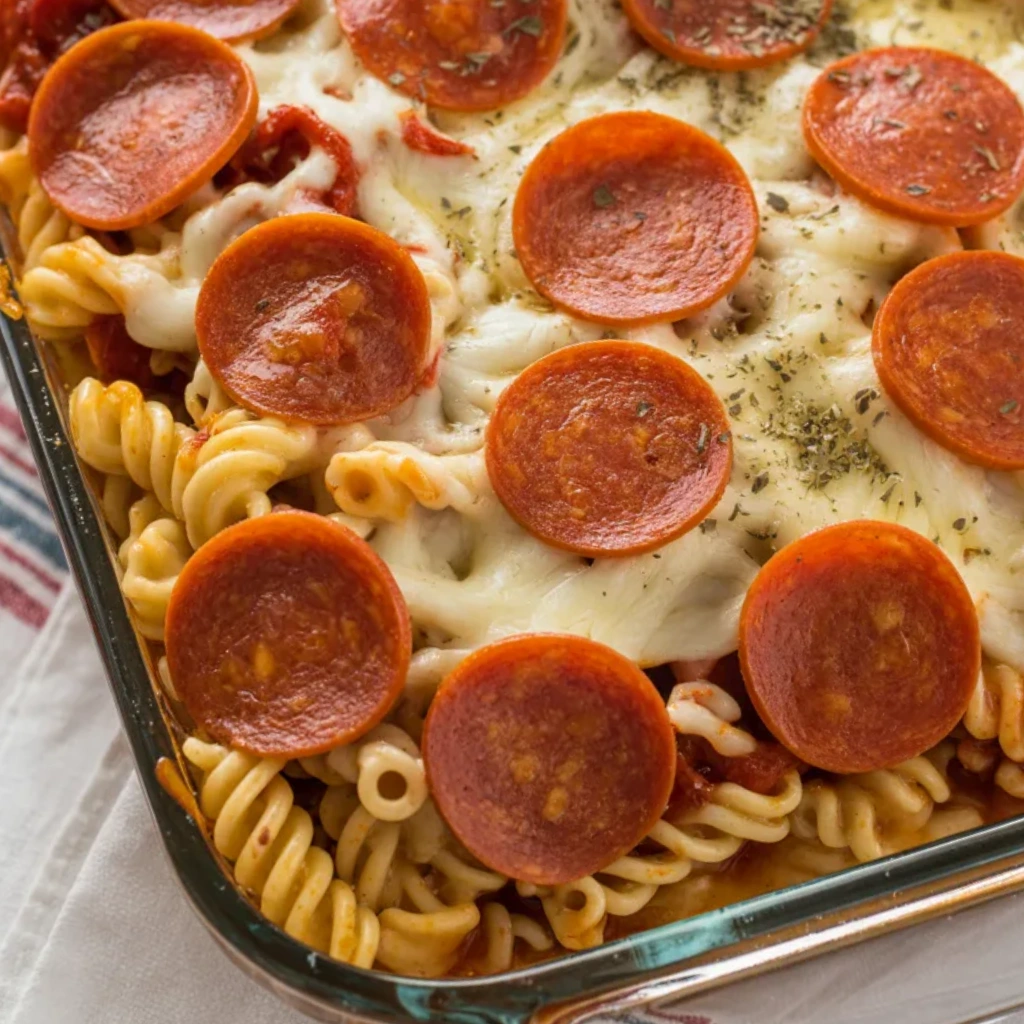
Why You’ll Love This Recipe
- Simple ingredients you likely already have
- Easy to customize for picky eaters and adventurous cooks alike
- Perfect for busy weeknights and cozy weekends
- Budget-friendly and family-approved
- Even better the next day as leftovers
Ingredients You’ll Need
One of my favorite things about Pizza Casserole is how forgiving it is. You don’t need fancy ingredients or precise measurements—just good basics and a little intuition.
Pasta:
I usually use rotini or penne because their shape holds onto the sauce and cheese beautifully. But I’ve made this with shells, rigatoni, and even leftover spaghetti in a pinch. Any sturdy pasta works.
Ground Meat:
Ground beef is my go-to, but Italian sausage adds incredible flavor. Sometimes I mix the two. If I’m cooking for guests, I often use sausage because it brings that unmistakable pizzeria aroma.
Marinara Sauce:
Use your favorite jarred sauce or homemade if you have it. I like a thicker sauce with good seasoning. If your sauce tastes flat, don’t be afraid to add garlic powder, oregano, or basil.
Mozzarella Cheese:
Shredded mozzarella gives that classic pizza stretch. I always grate my own when time allows—it melts smoother and tastes fresher.
Parmesan Cheese:
A little sharpness balances the richness and deepens the overall flavor.
Pepperoni or Pizza Toppings:
Pepperoni is classic, but this is where creativity shines. Bell peppers, mushrooms, olives, onions, cooked sausage, ham, spinach, and even pineapple all work beautifully.
Olive Oil:
Just a splash for cooking the meat and vegetables.
Italian Seasoning:
This ties everything together and gives the casserole that unmistakable pizza aroma.
Garlic & Onion:
Fresh if possible, but powder works when you’re in a hurry.
How to Make It (Step-by-Step Instructions)
Step 1: Cook the Pasta
Bring a large pot of salted water to a rolling boil and cook your pasta just until al dente. This part matters more than you might think. Overcooked pasta will turn soft and mushy once baked, and that’s a texture I’ve learned to avoid. Drain the pasta and set it aside. I often toss it lightly with olive oil to keep it from sticking.
Step 2: Prepare the Meat and Sauce
In a large skillet over medium heat, warm a drizzle of olive oil and add your ground meat. Break it apart as it cooks, seasoning lightly with salt, pepper, and Italian seasoning. Once the meat is fully cooked and no longer pink, add chopped onion and garlic. Let them soften for a few minutes, stirring gently. This step adds so much depth, and I never skip it, even on busy nights.
Stir in your marinara sauce and let everything simmer for about five minutes. This gives the flavors time to blend and mellow. Taste and adjust seasoning as needed. If your sauce feels a bit acidic, a pinch of sugar can work wonders.
Step 3: Combine Pasta and Sauce
Add the cooked pasta directly into the skillet with the sauce and meat. Stir gently until everything is evenly coated. This ensures every bite gets that perfect balance of pasta and sauce.
Step 4: Layer the Casserole
Preheat your oven to 375°F (190°C). Lightly grease a large baking dish. Spread half of the pasta mixture evenly into the dish. Sprinkle generously with mozzarella and add half your toppings. Repeat with the remaining pasta, more cheese, and the rest of your toppings. Finish with a dusting of Parmesan.
Step 5: Bake Until Bubbling
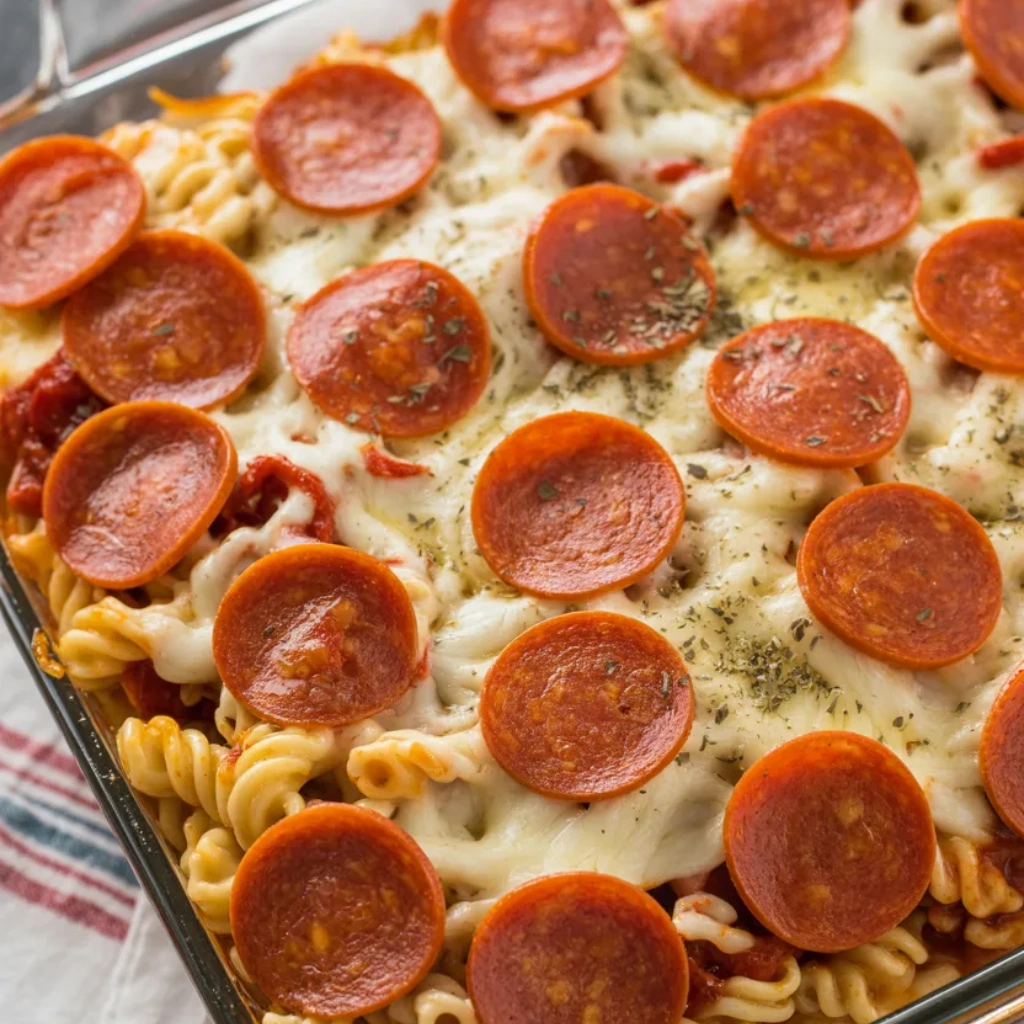
Cover loosely with foil and bake for about 20 minutes. Then uncover and bake for another 10–15 minutes until the cheese is melted, bubbly, and lightly golden. Let it rest for about 10 minutes before serving. This helps the layers settle and makes slicing easier.
Expert Tips for the Best Results
Over the years, I’ve learned that the secret to a truly great pizza casserole lies in balance—just enough sauce to coat the pasta without drowning it, enough cheese for richness without heaviness, and toppings that complement rather than overwhelm. Letting the casserole rest after baking makes a noticeable difference in texture, and seasoning in layers ensures every bite tastes intentional. Most importantly, taste as you go. It’s the simplest habit, yet it’s the one that turns good cooking into great cooking.
Variations & Substitutions
One of my favorite parts about this dish is how endlessly adaptable it is. There have been nights when I had no meat, so I loaded it with sautéed mushrooms, spinach, and olives instead, and it was just as satisfying. I’ve swapped regular pasta for whole wheat, gluten-free, and even low-carb alternatives, each bringing its own character. Once, when I was completely out of marinara, I mixed crushed tomatoes with garlic, olive oil, and dried herbs, and it turned out better than expected. This recipe welcomes creativity, and sometimes the best versions come from unexpected substitutions.
Serving Suggestions
Pizza Casserole is hearty enough to stand on its own, but I often serve it with a simple green salad dressed in vinaigrette or a side of garlic bread for dipping into all that sauce. It’s perfect for casual family dinners, potlucks, game nights, and those evenings when you want something comforting without a lot of fuss. There’s something about pulling a bubbling casserole from the oven that makes even an ordinary night feel special.
Storage & Reheating Instructions
Leftovers store beautifully in an airtight container in the refrigerator for up to four days. In fact, I think the flavors deepen overnight, making it even more delicious the next day. To reheat, I prefer the oven at a low temperature so it warms evenly and stays tender, but the microwave works just fine for busy lunches. If it seems a little dry, a spoonful of sauce brings it right back to life.
Recipe FAQs (Answered by Clara)
Can I make this ahead of time?
You sure can. I often assemble everything in the morning, cover it tightly, and refrigerate it until dinnertime. Baking it fresh ensures the best texture, and the resting time lets the flavors come together beautifully.
What’s the best pasta to use?
I usually reach for rotini or penne because they hold the sauce well and bake evenly. That said, almost any pasta shape will work, so use what you have and don’t overthink it.
Can I serve it cold?
Personally, I prefer it warm when the cheese is gooey and comforting. But I’ve been known to sneak a cold bite straight from the fridge, especially late at night. It’s surprisingly good either way.
How do I make it less watery?
This usually comes down to two things: cooking the pasta al dente and using a thick sauce. If your sauce is thin, simmer it for a few minutes before combining, and avoid adding too many watery vegetables unless they’ve been cooked first.
Conclusion
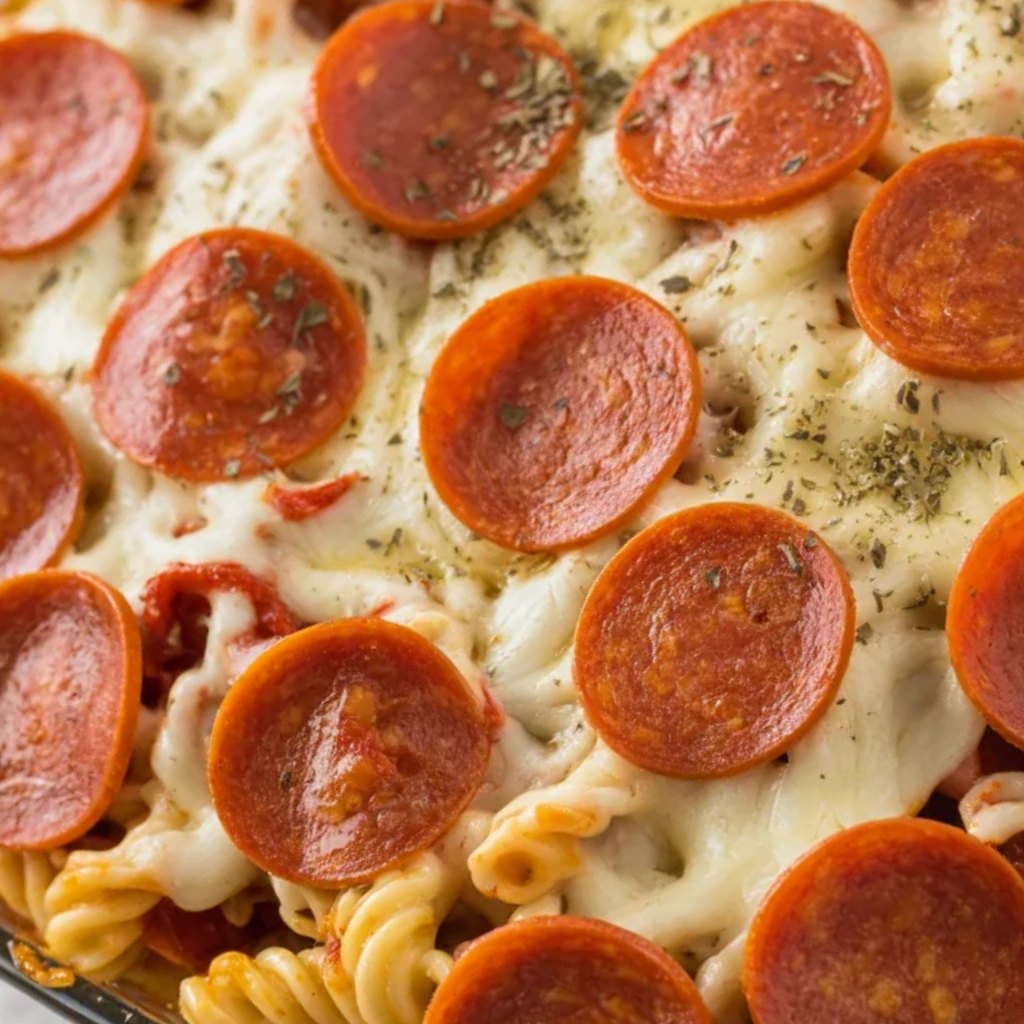
Pizza Casserole has a way of turning ordinary ingredients into something deeply comforting. It reminds me why I fell in love with cooking in the first place—not for perfection, but for connection. Whether you’re feeding a hungry family, hosting friends, or simply craving something warm and familiar, I hope this recipe brings a little comfort and joy to your table. If you try it, I’d love to hear how you made it your own. After all, the best recipes are the ones that grow with us.
Nutrition Information (Per Serving – Approximate)
Calories: 420
Protein: 22g
Carbohydrates: 38g
Fat: 20g
Fiber: 3g
Sugar: 6g
Pizza Casserole
Ingredients
- 12 oz rotini or penne pasta
- 1 lb ground beef or Italian sausage
- 1 jar 24 oz marinara or pizza sauce
- 1 teaspoon Italian seasoning
- 1 cup sliced pepperoni
- 1 cup cooked sausage slices optional
- 2 cups shredded mozzarella cheese
- ½ cup grated Parmesan cheese
- 1 cup sliced mushrooms optional
- ½ cup sliced black olives optional
- ½ cup diced bell peppers optional
- Salt and black pepper to taste
Instructions
- Preheat oven to 375°F (190°C). Grease a 9×13-inch baking dish.
- Cook pasta according to package directions until al dente. Drain and set aside.
- In a large skillet, brown ground beef or sausage over medium heat. Drain excess fat.
- Stir in marinara sauce and Italian seasoning. Simmer for 5 minutes.
- Combine cooked pasta with meat sauce.
- Transfer half of the mixture to the baking dish. Sprinkle with half of the mozzarella and toppings.
- Add remaining pasta mixture and top with remaining cheese, pepperoni, and Parmesan.
- Cover with foil and bake for 20 minutes.
- Remove foil and bake an additional 10 minutes until bubbly and golden.
- Let rest 5 minutes before serving.
Notes
- Customize toppings: Use your favorite pizza toppings—ham, bacon, onions, jalapeños, or pineapple.
- Make ahead: Assemble up to 24 hours in advance and refrigerate.
- Freezer friendly: Freeze unbaked casserole for up to 3 months.
- Low-carb option: Substitute pasta with cauliflower florets.
- Extra cheesy: Add ricotta or provolone for richer texture.