I didn’t grow up making pizza dough. I grew up ordering pizza on Friday nights and thinking dough was something only pizzerias really understood. The first time I tried making it myself, I was convinced I had done something wrong because the dough felt sticky, uneven, and frankly alive in a way that made me nervous. I remember standing in my kitchen, flour on the counter, questioning why I thought this was a good idea in the first place. But somewhere between that first failed attempt and the dozens that followed, pizza dough became one of those quiet kitchen skills that settled into my bones. This recipe is the result of years of trial, sticky fingers, overproofed disasters, and a few moments of pure pride when a pizza slid out of the oven with a blistered crust and chewy center. This is the dough I make when friends are coming over, when my family wants something comforting, or when I just need the simple joy of working with my hands.
Why You’ll Love This Recipe
- Made with simple pantry ingredients you likely already have
- Forgiving and flexible, even if you’re new to yeast doughs
- Produces a chewy interior with crisp, lightly blistered edges
- Works for thin crust, thicker crust, or sheet pan pizza
- Can be made ahead and fits into real life schedules
Ingredients You’ll Need
Warm water
I’ve learned that “warm” really matters here. Too hot and you’ll kill the yeast, too cool and it’ll sulk instead of waking up. I aim for water that feels comfortably warm on my wrist, like bathwater, not hot tea.
Active dry yeast
This is what I’ve always used because it’s reliable and easy to find. I’ve tried instant yeast too, and while it works, active dry gives me more visual reassurance that things are going right when it foams.
Granulated sugar
Just a small amount. This isn’t about sweetness; it’s about giving the yeast something to feed on so it can do its job properly.
Olive oil
I use regular extra virgin olive oil, nothing fancy. It adds flavor and keeps the dough tender. I’ve skipped it before in a pinch, and the dough always felt a little less forgiving.
All-purpose flour
This is my everyday choice. Bread flour works too and gives a slightly chewier crust, but all-purpose keeps things accessible and still produces a pizza I’m proud to serve.
Salt
I never add salt directly to the yeast mixture. I learned the hard way that salt can slow yeast down if it hits it too early. Mixing it into the flour first avoids that issue.
How to Make It (Step-by-Step Instructions)
Step 1: Wake Up the Yeast
I start by pouring warm water into a large bowl and sprinkling the yeast and sugar over the top. I don’t stir immediately. I let it sit for a minute, then gently mix it together. Within five to ten minutes, it should look foamy and alive. If nothing happens, it usually means the water temperature was off or the yeast was old. I’ve learned to trust this step; it saves disappointment later.
Step 2: Add the Oil
Once the yeast is active, I stir in the olive oil. This is a small step, but it makes the dough easier to handle later. I’ve skipped it before and always regret it halfway through kneading.
Step 3: Mix the Dry Ingredients
In a separate bowl, I whisk together the flour and salt. This helps distribute the salt evenly so you don’t end up with salty pockets or sluggish yeast.
Step 4: Bring the Dough Together
I gradually add the flour mixture into the wet ingredients, stirring with a wooden spoon until it becomes shaggy and hard to stir. At this point, I switch to my hands. The dough will look messy and feel sticky, and that’s okay. Early on, I used to panic and add too much flour here, which made the dough tough.
Step 5: Knead with Patience
I turn the dough out onto a lightly floured counter and knead for about eight to ten minutes. I push it away with the heel of my hand, fold it back over itself, rotate, and repeat. Over time, it becomes smoother and more elastic. When it springs back slightly when pressed, I know it’s ready.
Step 6: First Rise
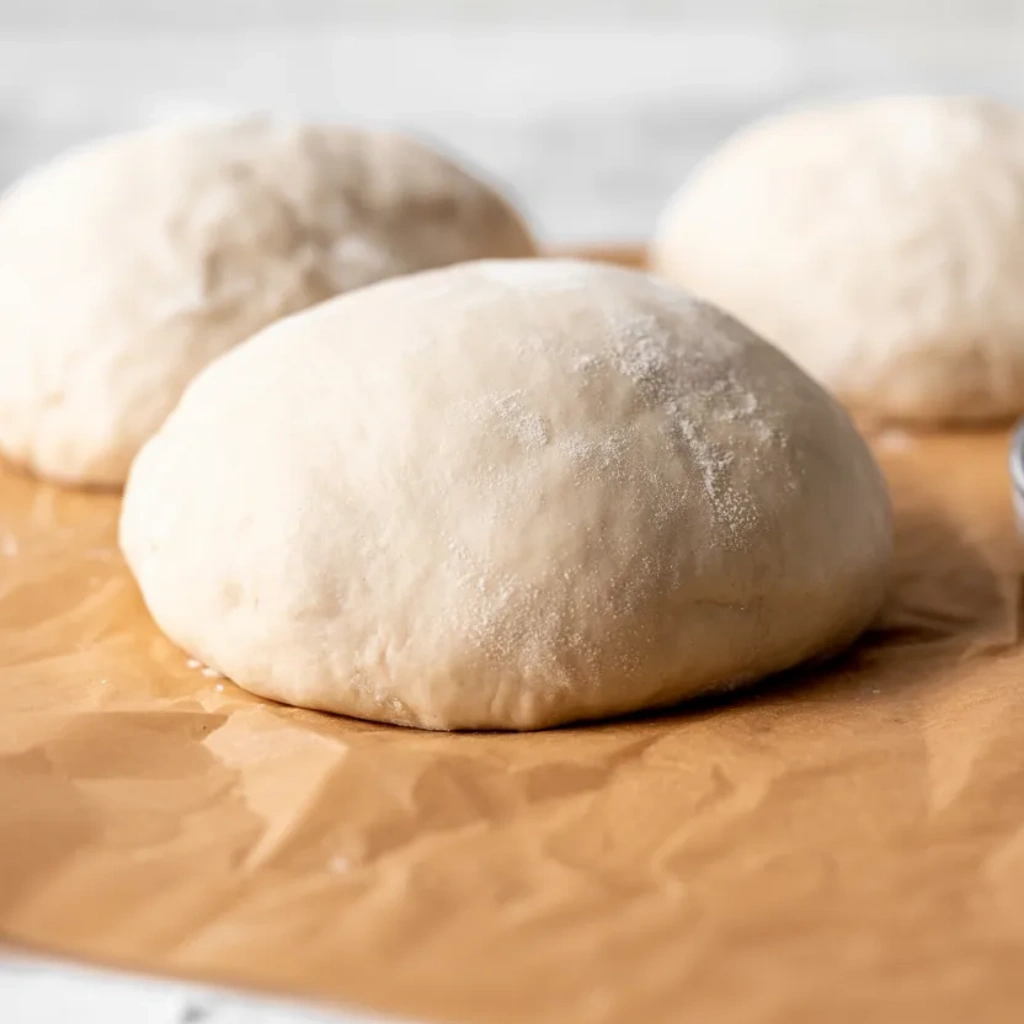
I place the dough in a lightly oiled bowl, turn it once to coat, cover it with a damp towel, and let it rise somewhere warm. My oven, turned off with just the light on, has become my favorite spot. After about an hour, it should be doubled in size.
Step 7: Shape or Store
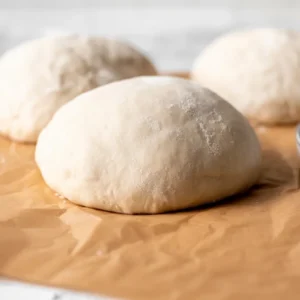
Once risen, I gently punch the dough down. From here, it’s ready to be shaped into pizza, divided for multiple pies, or stored for later. This is where the recipe really starts to fit into everyday life.
Expert Tips for the Best Results
Over the years, I’ve learned that pizza dough rewards patience more than precision. If the dough feels slightly sticky, resist the urge to drown it in flour because that stickiness turns into tenderness once baked. Letting the dough rise fully makes a bigger difference than kneading an extra minute, and giving it time to rest after shaping helps it stretch without snapping back. I also preheat my oven as hot as it will go and let it stay hot for at least thirty minutes before baking, because a hot oven is the secret to a good crust at home.
Variations & Substitutions
There have been many nights where I didn’t have exactly what I needed, and this dough has never punished me for it. I’ve swapped in bread flour when I wanted extra chew, used half whole wheat flour when I was feeling ambitious, and even replaced olive oil with a neutral oil when that’s all I had. Once, I forgot the sugar entirely and the dough still rose, just more slowly. Those little improvisations taught me that this recipe is flexible, and sometimes the “mistakes” become new preferences.
Serving Suggestions
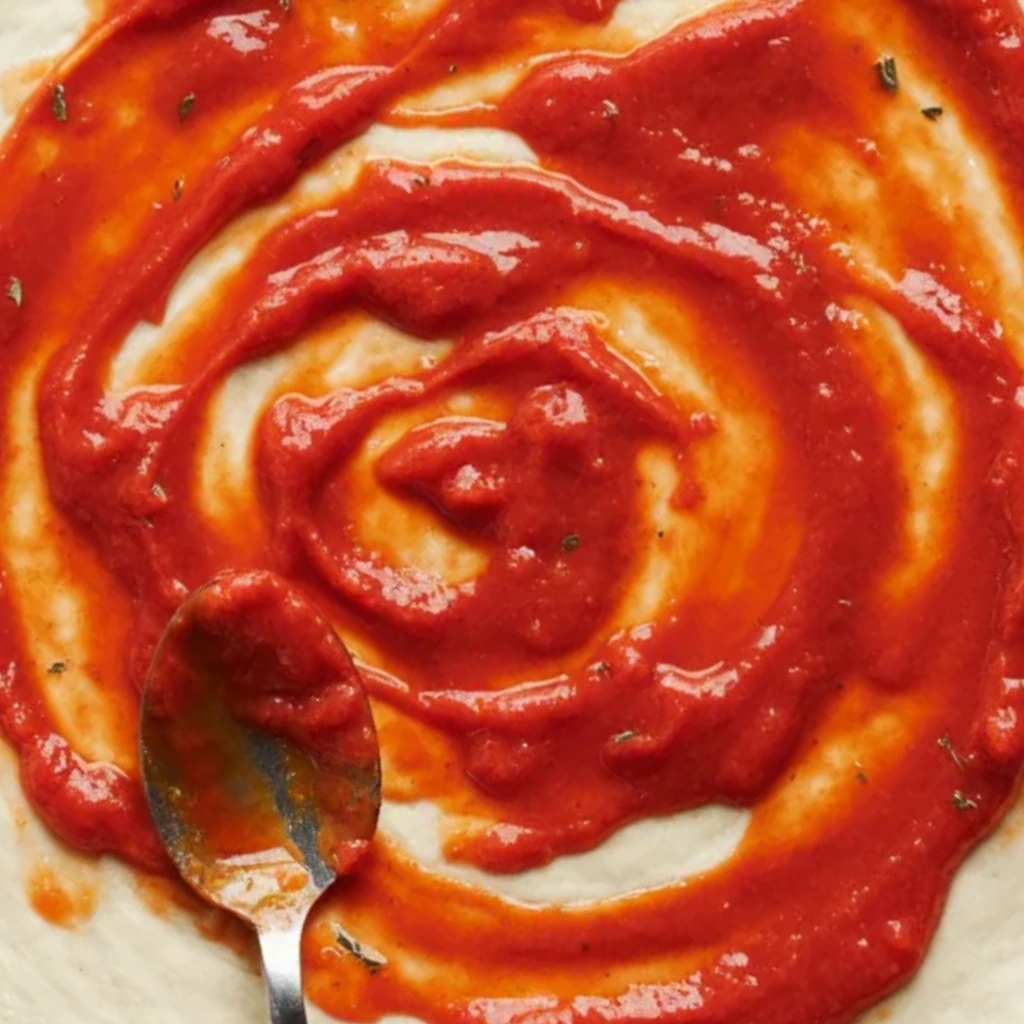
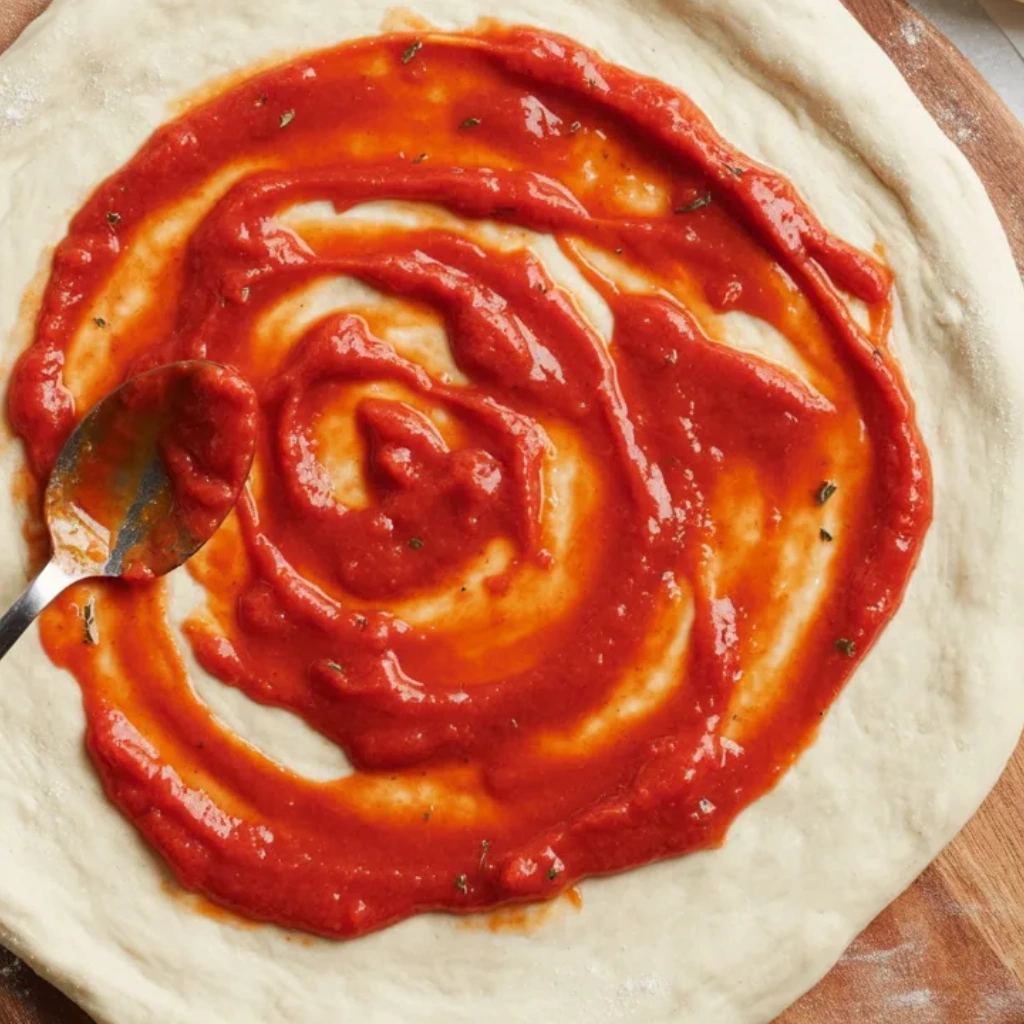
I usually turn this dough into classic tomato-and-mozzarella pizza, but it’s just as good brushed with olive oil and topped with vegetables, or baked plain and served with soup for dipping. It’s perfect for casual family dinners, weekend cooking projects, or letting guests build their own pizzas around the counter. Some nights we eat it standing up, slicing pieces straight off the board, and those are often the best meals.
Storage & Reheating Instructions
If I’m not using the dough right away, I coat it lightly in oil, wrap it tightly, and store it in the fridge for up to three days. The flavor actually improves with time. When I’m ready to use it, I let it come to room temperature for about thirty minutes so it stretches easily. Baked pizza leftovers get wrapped and refrigerated, and I reheat them in a hot oven or skillet to bring the crust back to life. Microwaving works, but the texture is never quite the same.
Recipe FAQs (Answered by Clara)
Can I make this ahead of time?
You sure can. I often make the dough in the morning or even the night before and let it rest in the fridge. The slow rise gives it more flavor, and it makes dinner feel effortless later.
What’s the best way to knead if I don’t have much counter space?
I’ve kneaded this dough right in the bowl more times than I can count. It’s a little messier, but it works just fine. The key is rhythm, not space.
Can I bake it without a pizza stone?
Absolutely. I’ve baked great pizzas on inverted sheet pans, cast iron skillets, and even directly on parchment paper. A stone is nice, but it’s not required.
How do I keep the dough from shrinking back when I stretch it?
If the dough fights you, it usually needs more rest. I let it sit for ten minutes, then try again. That pause relaxes the gluten and makes shaping easier.
Conclusion
This pizza dough has seen me through busy weeks, relaxed weekends, and more than a few flour-covered counters. It’s not fancy, and it doesn’t need to be. It’s reliable, comforting, and endlessly adaptable, which is exactly what I want from a recipe I come back to again and again. If you give it a try, I hope it becomes part of your kitchen rhythm too. Leave a comment, share how you topped it, or just enjoy the quiet satisfaction of pulling homemade pizza from your own oven.
Nutrition Information (Per Serving, Approximate)
Calories: 210
Carbohydrates: 38g
Protein: 6g
Fat: 4g
Sodium: 380mg
Pizza Dough Recipe
Ingredients
- 3½ cups all-purpose flour
- 1 packet 2¼ teaspoons active dry yeast
- 1 tablespoon sugar or honey
- 1¼ cups warm water 110°F / 43°C
- 2 tablespoons olive oil
- 1 teaspoon salt
Instructions
- In a large bowl, combine warm water, sugar, and yeast. Let sit for 5–10 minutes until foamy.
- Add olive oil, salt, and half of the flour. Stir until combined.
- Gradually add remaining flour until a soft dough forms.
- Turn dough onto a floured surface and knead for 8–10 minutes until smooth and elastic.
- Place dough in a lightly oiled bowl, cover, and let rise in a warm place for 1 hour or until doubled in size.
- Punch down the dough and divide into two equal portions.
- Roll or stretch dough into desired pizza shape.
- Add toppings and bake at 475°F (245°C) for 12–15 minutes or until crust is golden and cooked through.
Notes
- Crispier crust: Preheat a pizza stone or baking steel.
- Make ahead: Dough can be refrigerated for up to 3 days.
- Freezing: Freeze dough balls for up to 3 months.
- Whole wheat option: Replace half the flour with whole wheat flour.
- No mixer needed: Dough can be mixed and kneaded by hand easily.