There’s a certain kind of comfort that only a bowl of tomato basil soup can bring, and for me, it’s tied to a memory from years ago when my kitchen confidence was still finding its footing. It was the middle of January, bitterly cold, the kind of night when even the dog didn’t want to step outside. I remember standing in my tiny apartment kitchen with a can of crushed tomatoes, a half-wilted bunch of basil, and a craving for something warm enough to thaw both my hands and my mood. I didn’t set out to make anything special. I wasn’t testing a recipe or trying to impress anyone. I just wanted something honest. Something simple. Something that didn’t require fuss or perfection.
The first version of this soup was far from perfect. I scorched the garlic, underestimated the salt, and blended it so enthusiastically that it turned thin as tomato juice. But even then, even in that flawed state, it comforted me. And every time I made it after that, I tucked in a little more patience, a little more understanding of what the soup needed, and what I needed from it. Eventually it became one of those recipes I could make without thinking, one that quietly followed me through moves, job changes, late nights, and early mornings.
Now, years later, this tomato basil soup is something I prepare with intention instead of desperation. When I stir the pot, I think of that cold January night and how something so simple taught me to slow down and pay attention. Good cooking, I’ve learned, doesn’t always come from grand gestures. Sometimes it begins with imperfect tomatoes, a handful of basil, and the willingness to try again.
And that’s what this recipe is: an invitation to slow down, breathe, and let the warmth of the moment settle in.
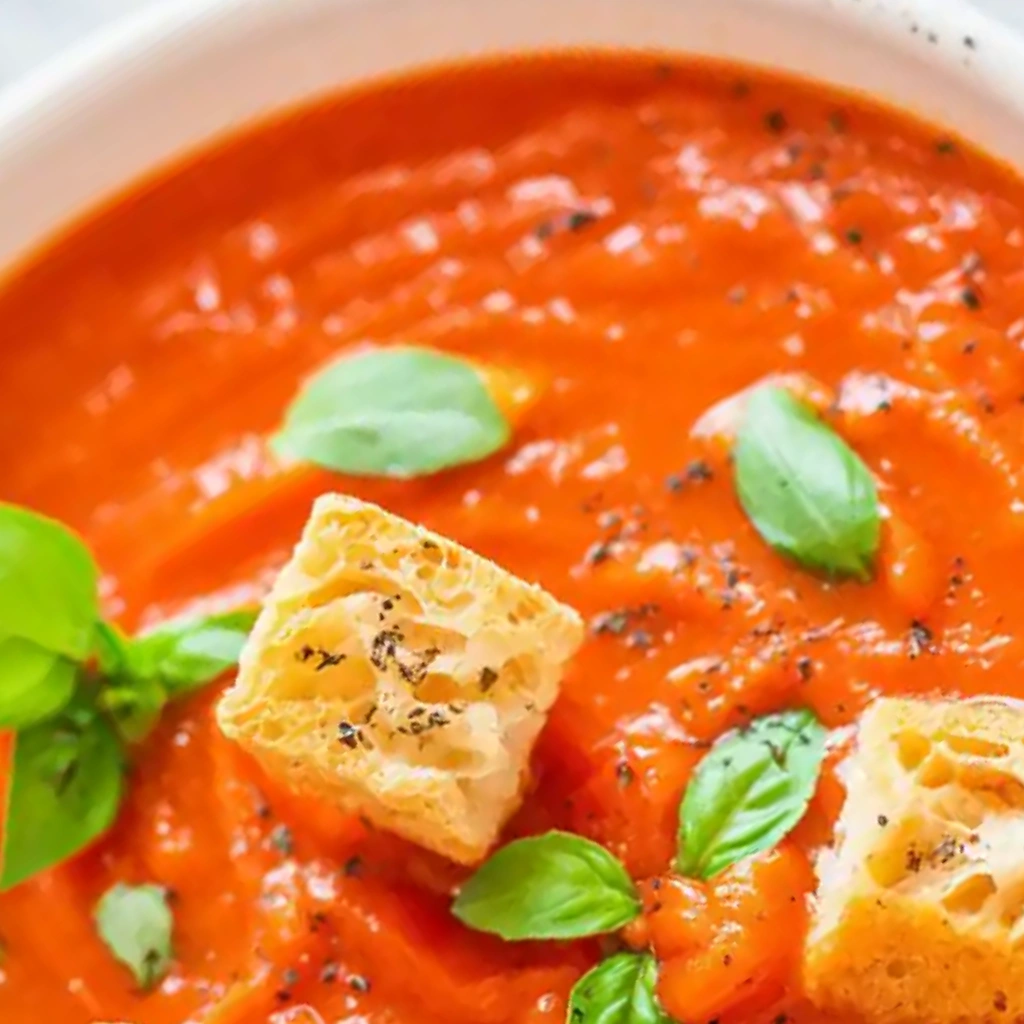
Why You’ll Love This Recipe
• Simple pantry ingredients you likely already have
• Rich, comforting flavor that tastes slow-simmered in very little time
• Budget-friendly and easy to double for leftovers
• Naturally creamy without needing heavy cream
• Perfect for weeknights, meal prep, or cozy weekends at home
Ingredients You’ll Need
• Olive oil – I like using a good drizzle, enough to coat the pot generously. It sets the foundation and helps the onions soften without browning too quickly.
• Yellow onion – One medium onion, chopped. Don’t stress about perfect cuts; the blender will smooth everything out later.
• Garlic – Three to four cloves, sliced or minced. I slice mine because I find it less likely to burn, especially when I’m distracted.
• Crushed tomatoes – Two 28-ounce cans. I’ve tried every brand under the sun, and honestly, use whatever fits your budget. San Marzano adds a sweeter profile, but store brands work beautifully when seasoned well.
• Chicken or vegetable broth – Enough to loosen the tomatoes and give the soup body. Use vegetable broth to keep it vegetarian.
• Carrot – One medium carrot, peeled and chopped. This adds natural sweetness and balances the acidity of the tomatoes. It’s one of those quiet tricks I wish I’d learned earlier.
• Fresh basil – A generous handful. Don’t skimp. Basil is the heart of this soup, and the aroma alone is worth the prep.
• Salt and pepper – Seasoning is everything here. The right amount pulls the flavors together, especially since canned tomatoes can taste flat without enough salt.
• Sugar (optional) – I add a teaspoon only when the tomatoes are especially sharp. Taste first before deciding.
• Butter or a splash of cream (optional) – For a silkier finish. I often swirl in a small pat of butter right before serving for warmth and softness.
• Red pepper flakes (optional) – Just a pinch for a gentle backdrop of heat.
How to Make It (Step-by-Step Instructions)
Step 1: Build the base.
Set a large pot over medium heat and add your olive oil. Once it shimmers, add the chopped onion. Let it soften slowly. You don’t want color here; you want sweetness. This is one of the mistakes I made in my early attempts. I rushed the onions, turned up the heat, and ended up with a soup that had a slightly bitter edge. Keep the heat steady and stir occasionally until the onions are translucent.
Step 2: Add the garlic and carrot.
Stir in the garlic and chopped carrot. The carrot needs time to break down, so don’t rush this either. Let everything cook together for a couple of minutes until fragrant. If anything starts browning too quickly, lower the heat. Garlic goes from perfect to burnt faster than anyone expects, and burnt garlic will take the whole pot down with it.
Step 3: Add tomatoes and broth.
Pour in the crushed tomatoes and enough broth to give you a slightly loose consistency. It doesn’t have to be exact. Some days I use a full four cups of broth; other days I stop at three. The soup will thicken as it simmers, so trust your instincts here.
Step 4: Season and simmer.
Add salt, pepper, and red pepper flakes if you’re using them. Bring the soup to a gentle boil, then turn the heat down to low and let it simmer for at least 25 minutes. I usually go closer to 40 minutes if I have the time. This is where the flavors meld and soften. The carrot will become tender, the onions silky, and the tomatoes lose that harsh canned bite.
Step 5: Add basil and blend.
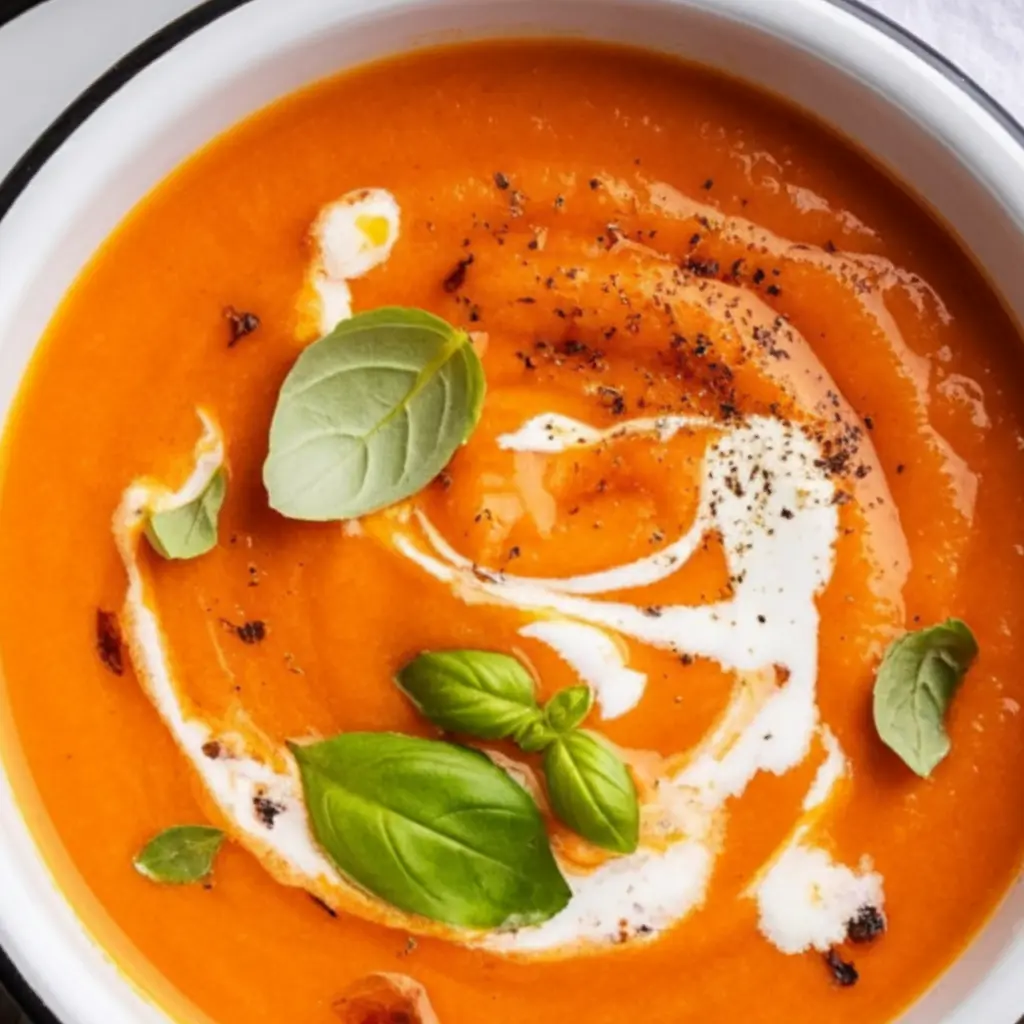
Turn off the heat and toss in your basil leaves. I like adding them at the end because the fragrance stays bright and alive. Now blend the soup. An immersion blender is the easiest method, but a countertop blender works too—just do it in batches and be careful with the steam. Blend until smooth. If you prefer a thicker soup, blend only briefly. For something velvety, keep going until the texture is completely even.
Step 6: Finish with richness.
Taste the soup. This is the moment when the seasoning magic happens. Add more salt if it feels flat, a pinch of sugar if it’s too acidic, and a small pat of butter if you want that soft, rounded finish. Stir well and let everything settle for a few minutes before serving.
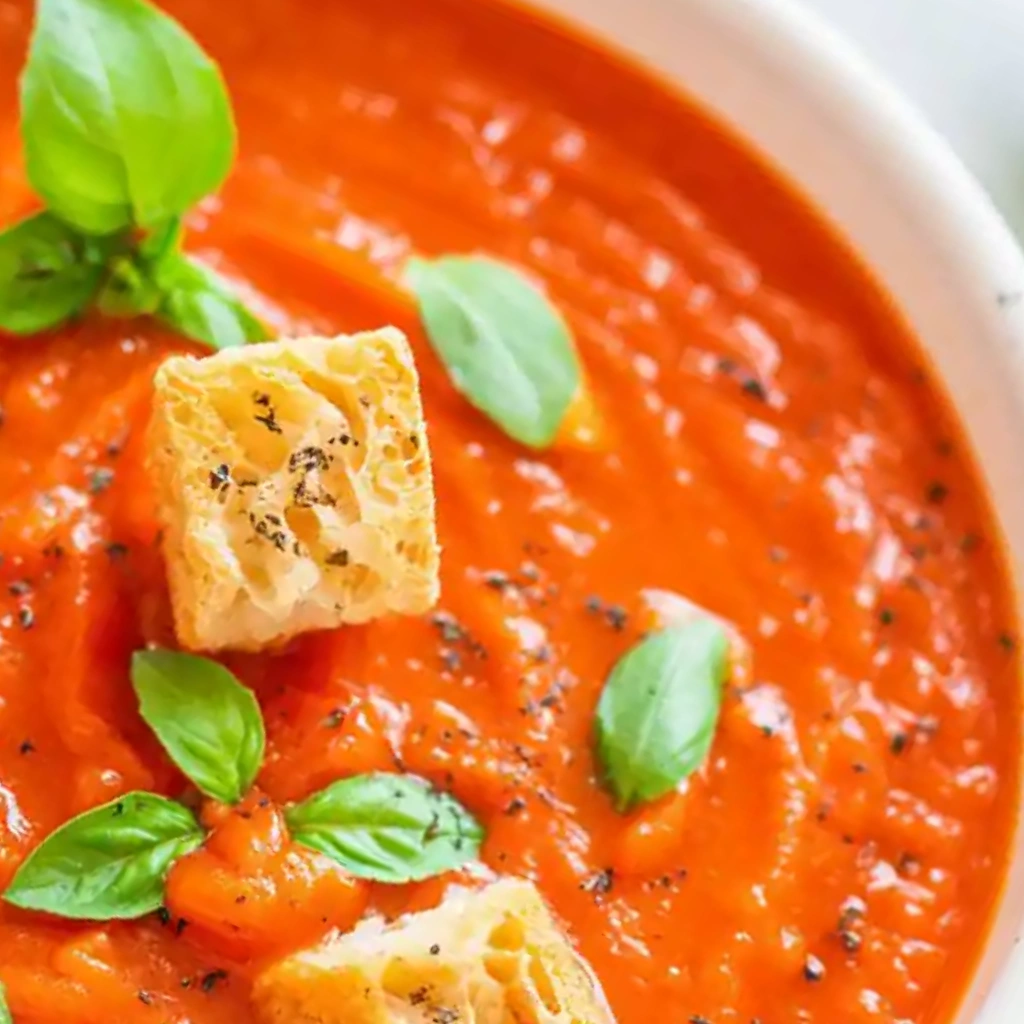
Expert Tips for the Best Results
If there’s anything this soup has taught me over the years, it’s that the smallest decisions make the biggest difference. Don’t rush the onion stage; coaxing out that gentle sweetness builds a better foundation than any seasoning trick. Always taste your tomatoes before relying on sugar—some brands are naturally sweet while others lean acidic. Add basil at the end so the flavor stays fresh rather than cooked down. And finally, season with patience. Add salt gradually and taste often. Soup teaches you to trust your palate, and tomato soup teaches you that balance is everything.
Variations & Substitutions
Over time, I’ve made this soup in so many ways depending on what I had on hand. Once, I was out of basil and used a mix of parsley and a touch of dried oregano, and while it wasn’t the same, it still turned out comforting and warm. Another night, I tossed in a roasted red pepper I found hiding in the fridge, and suddenly the soup tasted deeper and smokier. If you’re dairy-free, skip the butter and swirl in a splash of coconut milk, which adds a subtle richness without changing the flavor too much. You can also add cooked rice or small pasta to make it heartier, or toss in some parmesan rinds while it simmers for a savory depth. Don’t be afraid to let the recipe flex with your kitchen.
Serving Suggestions
Tomato basil soup is one of those dishes that fits into almost any moment. I often pair it with a grilled cheese sandwich, the kind with crisp edges and a gooey center, especially on cold evenings when I want something nostalgic. It’s also lovely alongside a simple green salad or served in small bowls as a starter for family dinners. When friends come over, I sometimes offer it with a basket of warm bread and softened butter, letting everyone dip and stir as they please. It’s cozy enough for quiet nights and simple enough to serve at a relaxed gathering without adding stress.
Storage & Reheating Instructions
This soup stores beautifully, which makes it a regular in my meal-prep rotation. Once cooled, I pour it into airtight containers and refrigerate it for up to four days. The flavor deepens as it rests, becoming rounder and more balanced. If freezing, leave a little space in the container for expansion and store for up to three months. When reheating, warm it gently on the stove over low heat, adding a splash of broth if it thickened in the fridge. The texture may tighten slightly after chilling, but it loosens right back up with a stir and a little patience.
Recipe FAQs (Answered by Clara)
Can I make this ahead of time?
You sure can. I often prepare it in the morning, cover it tightly, and pop it in the fridge. It actually tastes better after resting.
What’s the best spiralizer to use?
For this recipe, you won’t need one, but in general, I still use my old handheld spiralizer. It’s inexpensive, easy to clean, and never lets me down. I find that simpler tools often outlast the fancy gadgets.
Can I serve it cold?
You can, and I’ve tried it, especially during the hotter months. It becomes a little like a smoother gazpacho. But personally, I prefer it warm, when the basil opens up and the aroma fills the kitchen.
How do I make it less watery?
Simmer it longer. Time is your best friend here. Letting the soup bubble gently without a lid helps it reduce and concentrate. You can also add a little less broth at the beginning and adjust later as needed.

Conclusion
If you make this tomato basil soup, I hope it brings you the same comfort it has brought me through the years. Cooking isn’t about perfection. It’s about patience, curiosity, and the small moments that turn an ordinary day into something warmer. Feel free to share how your version turns out, or pass this recipe along to someone who might need a cozy bowl of something homemade. I always love hearing how recipes grow and evolve in other kitchens.
Nutrition Information
Per serving (approximate): 165 calories, 7g fat, 23g carbohydrates, 4g fiber, 4g protein, 720mg sodium.

Tomato Basil Soup
Ingredients
- 2 tablespoons olive oil
- 1 medium onion chopped
- 3 cloves garlic minced
- 2 cans 28 oz total crushed tomatoes
- 2 cups vegetable broth or chicken broth
- 1 teaspoon sugar optional, to balance acidity
- 1 teaspoon salt
- ½ teaspoon black pepper
- ½ teaspoon dried oregano
- ½ cup heavy cream optional
- ½ cup fresh basil leaves chopped
- Parmesan cheese for serving optional
Instructions
- Heat olive oil in a large pot over medium heat.
- Add the chopped onion and cook for 5–6 minutes until softened.
- Stir in the garlic and cook for 30 seconds until fragrant.
- Add crushed tomatoes, broth, sugar (if using), salt, pepper, and oregano. Stir well.
- Bring the soup to a gentle simmer and cook for 20 minutes, stirring occasionally.
- Use an immersion blender to blend the soup until smooth, or carefully transfer to a blender in batches.
- Stir in the heavy cream if using and add the fresh basil.
- Simmer for another 2–3 minutes, then remove from heat.
- Taste and adjust seasoning as needed. Serve warm with parmesan if desired
Notes
- Creamy vs. dairy-free: Skip the cream for a lighter, dairy-free version.
- Fresh tomatoes: You can substitute roasted fresh tomatoes when in season.
- Make it richer: Add a tablespoon of butter at the end for extra silkiness.
- Storage: Refrigerate in an airtight container for up to 4 days.
- Freezing: Freeze well for up to 3 months (without cream for best texture).