There are some recipes that feel like a warm blanket on a cold evening, and bread pudding is one of them for me. I still remember the first time I made it properly. I had a loaf of day-old bread sitting on the counter, a few eggs in the fridge, and just enough milk to make something comforting. It was one of those evenings when everything felt a little heavy, and I needed something simple, familiar, and grounding. My grandmother used to say that wasting bread was a small heartbreak, so she turned leftovers into magic. Watching her cube up stale bread and transform it into something soft, rich, and fragrant left a mark on me.
My first attempt wasn’t perfect. I used bread that was too fresh, rushed the soaking time, and baked it at a temperature that was just a little too high. The result was edible, but not the custardy, tender dessert I was hoping for. Over time, with trial and error, I learned what truly matters: patience, good-quality ingredients, and trusting your senses more than the clock. This bread pudding has become one of my most-loved recipes, one I return to when I need comfort, when guests are coming, or when I simply want my kitchen to smell like cinnamon, vanilla, and warmth.
This version is classic, deeply comforting, and forgiving enough for busy home cooks. Whether you’re using up leftover bread or baking it for a special occasion, I promise this recipe will earn a permanent place in your kitchen.
Why You’ll Love This Recipe
- Simple ingredients you likely already have at home
- Budget-friendly and perfect for using up leftover bread
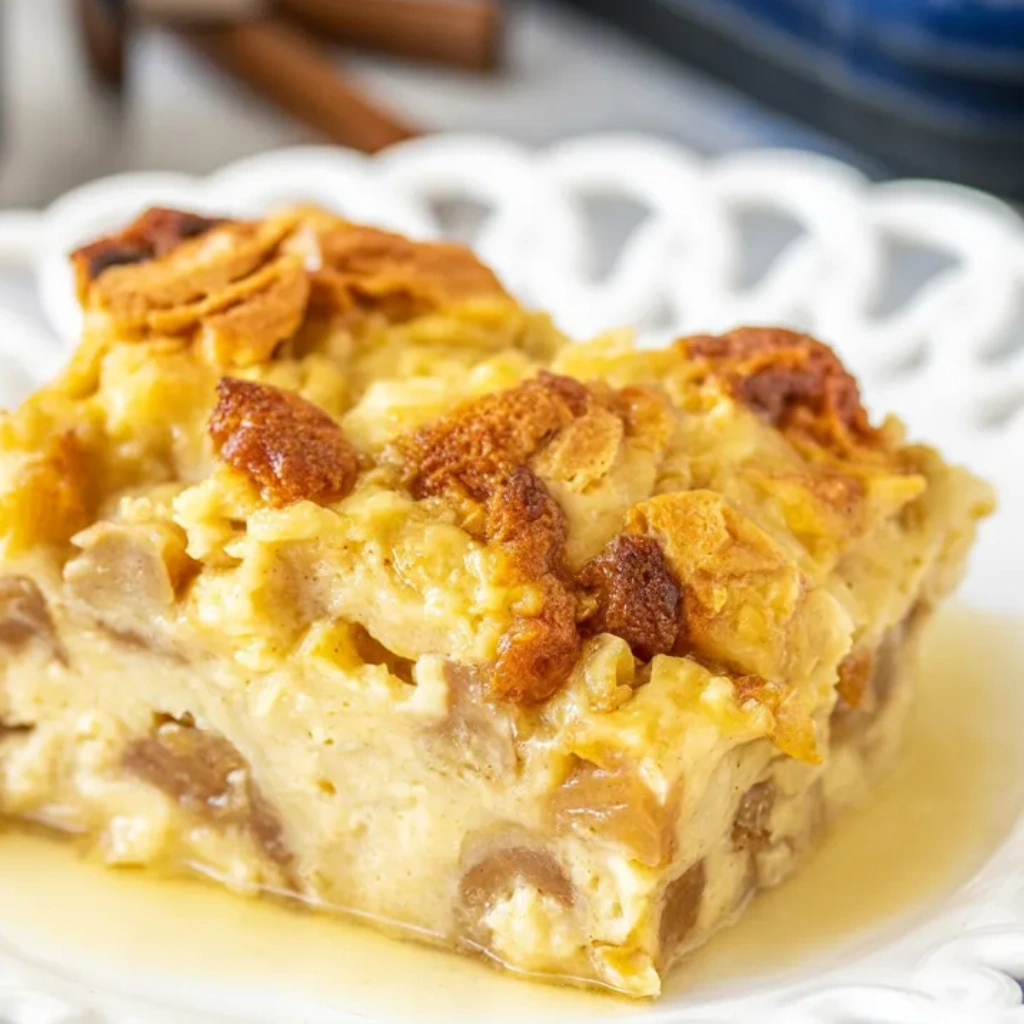
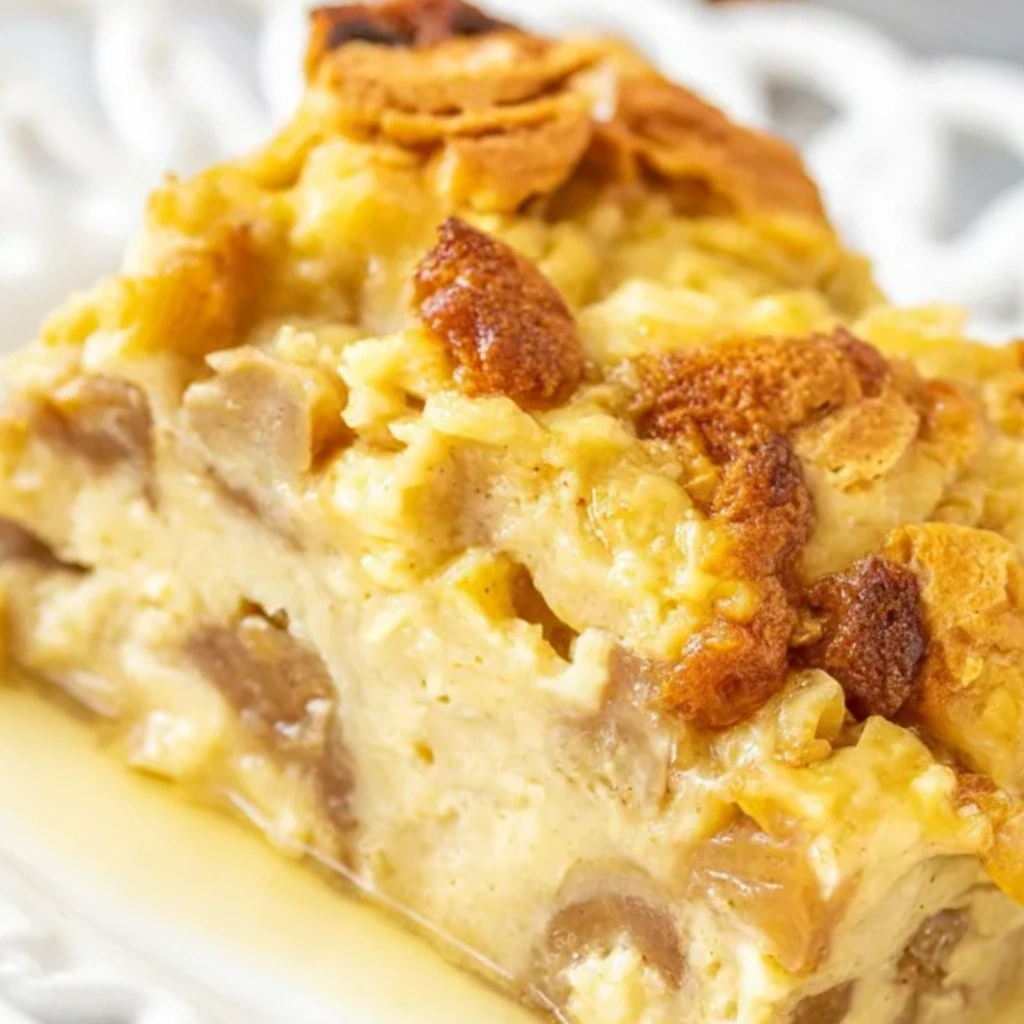
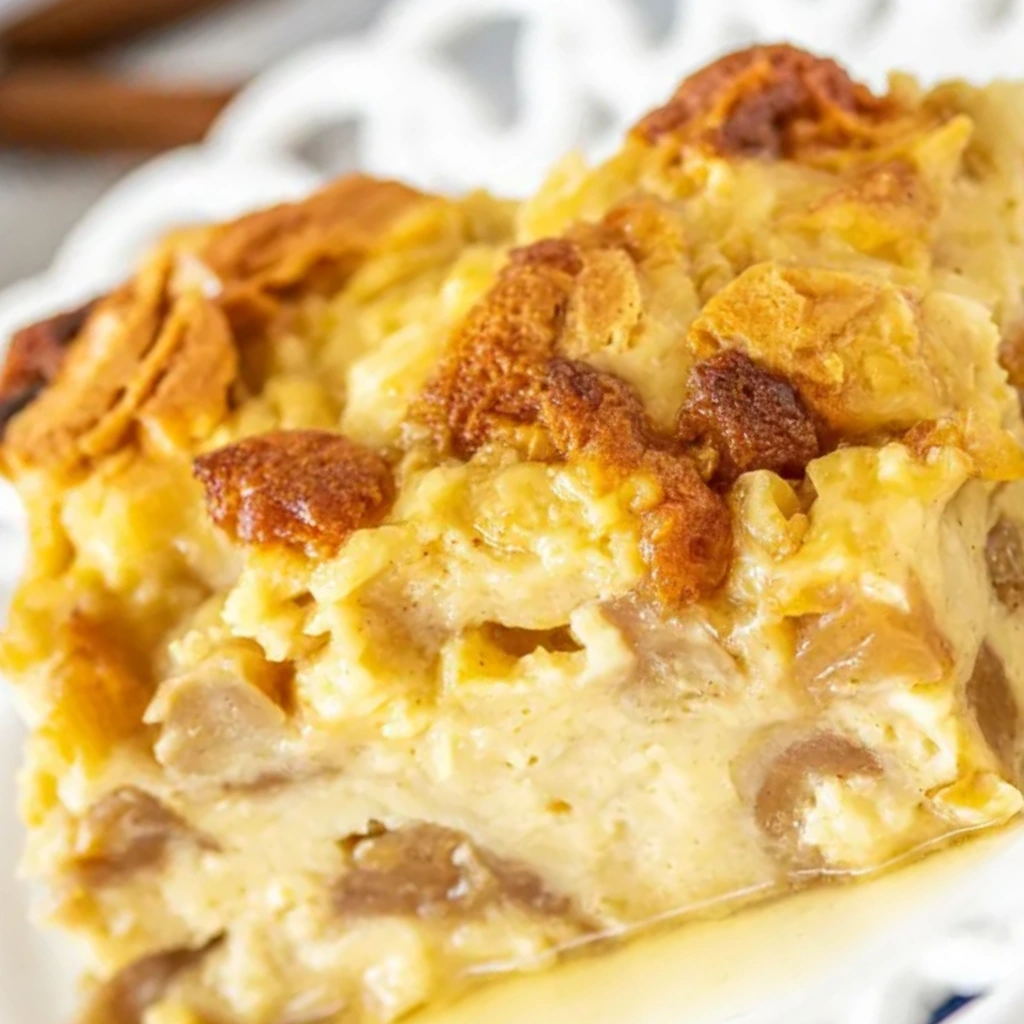
- Soft, custardy inside with a lightly crisp golden top
- Easy to customize with fruits, spices, or sauces
- Comforting, nostalgic, and always crowd-pleasing
Ingredients You’ll Need
Day-old bread (about 6 cups, cubed): I prefer brioche, challah, or French bread for their texture and flavor, but any sturdy bread works. If your bread is fresh, lightly toast it first so it absorbs the custard better.
Milk (2 cups): Whole milk gives the richest flavor, but I’ve used everything from 2% to almond milk when that’s what I had. Each brings a slightly different texture, but all work.
Heavy cream (½ cup): This adds richness and helps create that velvety custard texture. You can replace it with more milk if needed.
Eggs (3 large): Eggs are the backbone of the custard. Room temperature eggs blend more smoothly.
Granulated sugar (½ cup): Provides sweetness without overpowering the delicate flavors.
Brown sugar (¼ cup): Adds depth, warmth, and a gentle caramel note.
Unsalted butter (3 tablespoons, melted): Butter gives richness and helps create that beautiful golden crust.
Vanilla extract (2 teaspoons): Use pure vanilla if possible. It makes a noticeable difference.
Ground cinnamon (1 teaspoon): Warm, cozy, and essential.
Ground nutmeg (¼ teaspoon): Just a touch adds complexity.
Salt (¼ teaspoon): Balances the sweetness and brings out flavor.
Optional add-ins: Raisins, chopped dates, dried cranberries, chocolate chips, or chopped nuts. I change this depending on mood and season.
How to Make It (Step-by-Step Instructions)
Step 1: Prepare the Bread
Start by cutting your bread into bite-sized cubes. I aim for pieces about one inch in size, small enough to soak up custard but large enough to hold their structure. Spread them out in a greased baking dish. If the bread feels too soft, I like to pop it into a low oven for about ten minutes to dry it out slightly. This small step prevents soggy pudding later.
Step 2: Make the Custard
In a large bowl, whisk together the eggs, milk, cream, melted butter, granulated sugar, brown sugar, vanilla, cinnamon, nutmeg, and salt. I take my time here, whisking until everything is smooth and evenly blended. This ensures that every bite has the same comforting flavor.
Step 3: Combine and Soak
Pour the custard mixture evenly over the bread cubes. Use a spoon or spatula to gently press the bread down, making sure every piece gets soaked. This step is where patience really pays off. Let the mixture rest for at least 20 minutes, giving the bread time to absorb all that delicious liquid. If I have extra time, I’ll cover it and let it sit in the fridge for an hour or even overnight.
Step 4: Add Optional Mix-Ins
If you’re adding raisins, nuts, or chocolate chips, now is the time. Gently fold them in so they’re evenly distributed throughout the dish.
Step 5: Bake
Preheat your oven to 350°F (175°C). Bake the bread pudding uncovered for 40 to 45 minutes, or until the top is golden and the center is set but still slightly soft. I test doneness by inserting a knife into the middle. If it comes out mostly clean with just a little moisture, it’s ready.
Step 6: Rest and Serve
Let the bread pudding rest for at least 10 minutes before serving. This allows the custard to fully set and makes slicing easier. I know it’s tempting to dive right in, but a short wait truly improves the texture.
Expert Tips for the Best Results
Over the years, I’ve learned that the small details make the biggest difference in bread pudding. Using day-old bread helps the custard absorb evenly without becoming mushy, while letting the mixture rest before baking ensures a creamy interior. Baking it uncovered allows the top to caramelize gently, creating that beautiful contrast between crisp edges and soft center. Most importantly, trust your senses. If it smells warm and fragrant, looks golden, and jiggles just slightly in the center, it’s ready. Bread pudding is forgiving, so don’t stress about perfection. It’s meant to be comforting, not complicated.
Variations & Substitutions
Some of my favorite bread pudding memories come from moments when I didn’t have exactly what the recipe called for. I’ve swapped milk for coconut milk and added shredded coconut for a tropical twist, stirred in diced apples with extra cinnamon in the fall, and once used leftover croissants that made the entire dish taste like a bakery dessert. If you’re dairy-free, plant-based milks and vegan butter work beautifully. For a richer holiday version, I’ve added orange zest, cranberries, and a splash of bourbon. Bread pudding welcomes creativity, and sometimes the best versions come from happy accidents.
Serving Suggestions
I love serving bread pudding warm, straight from the oven, with a light dusting of powdered sugar or a drizzle of warm vanilla sauce. On special occasions, I’ll add whipped cream or a scoop of vanilla ice cream, letting it melt into the warm pudding. For brunch, it pairs beautifully with fresh fruit and a cup of strong coffee. It’s equally perfect as a cozy dessert after dinner or a sweet start to a slow weekend morning. No matter when you serve it, it always feels like a little celebration.
Storage & Reheating Instructions
Leftover bread pudding stores beautifully. Once completely cooled, cover the dish tightly or transfer portions into airtight containers and refrigerate for up to four days. To reheat, I prefer the oven at 300°F for about 10 to 15 minutes, which keeps the texture soft and prevents drying. For quick reheating, the microwave works too, though the edges may soften a bit more. Either way, the flavors deepen overnight, making leftovers just as satisfying as the first serving.
Recipe FAQs (Answered by Clara)
Can I make this ahead of time?
You sure can. I often prepare everything the night before, cover it tightly, and refrigerate it overnight. In the morning, I let it sit at room temperature for about 15 minutes before baking. The flavors actually develop more deeply, and the texture turns out wonderfully rich.
What’s the best spiralizer to use?
Bread pudding doesn’t need a spiralizer, but when I need evenly sized bread cubes, I rely on a sharp chef’s knife and a steady cutting board. Taking a little extra care with uniform pieces ensures even soaking and baking.
Can I serve it cold?
You absolutely can, and I often enjoy it that way straight from the fridge. The texture becomes firmer and almost cheesecake-like, which can be surprisingly delicious, especially on warm days.
How do I make it less watery?
If your bread pudding turns out watery, it usually means the bread was too fresh or the soaking time was too short. Lightly drying the bread first and allowing proper soaking time before baking solves this problem. Also, be sure not to add too much liquid beyond what the recipe calls for.
Conclusion
Bread pudding will always hold a special place in my heart. It’s a reminder that humble ingredients, when treated with care, can become something truly beautiful. I hope this recipe brings warmth to your kitchen and comfort to your table. Whether you follow it exactly or make it your own, trust your instincts and enjoy the process. If you give it a try, I’d love to hear how it turned out for you. Cooking is meant to be shared, and every story makes it richer.
Nutrition Information (Optional, Per Serving)
Calories: 320
Carbohydrates: 45g
Protein: 8g
Fat: 12g
Saturated Fat: 6g
Cholesterol: 95mg
Sodium: 210mg
Fiber: 2g
Sugar: 22g
Bread Pudding
Ingredients
For the Bread Pudding:
- 4 cups day-old bread cubed (brioche, challah, or French bread)
- 2 cups whole milk or half-and-half
- 3 large eggs
- ¾ cup granulated sugar
- ¼ cup brown sugar
- 2 tablespoons melted butter
- 1 teaspoon vanilla extract
- 1 teaspoon ground cinnamon
- ¼ teaspoon nutmeg
- Pinch of salt
Optional Add-ins:
- ½ cup raisins or dried cranberries
- ½ cup chopped pecans or walnuts
- ½ cup chocolate chips
Instructions
- Preheat oven to 350°F (175°C). Grease an 8×8-inch baking dish.
- Spread bread cubes evenly in the dish. Sprinkle with optional add-ins if using.
- In a large bowl, whisk together milk, eggs, sugars, butter, vanilla, cinnamon, nutmeg, and salt.
- Pour mixture evenly over bread. Gently press bread down to soak.
- Let stand 10 minutes to absorb.
- Bake uncovered for 35–45 minutes, until golden and set in the center.
- Serve warm with vanilla sauce, caramel sauce, or powdered sugar.
- Preheat oven to 350°F (175°C). Grease an 8×8-inch baking dish.
- Spread bread cubes evenly in the dish. Sprinkle with optional add-ins if using.
- In a large bowl, whisk together milk, eggs, sugars, butter, vanilla, cinnamon, nutmeg, and salt.
- Pour mixture evenly over bread. Gently press bread down to soak.
- Let stand 10 minutes to absorb.
- Bake uncovered for 35–45 minutes, until golden and set in the center.
- Serve warm with vanilla sauce, caramel sauce, or powdered sugar.
Notes
- Best bread: Slightly stale bread absorbs custard better.
- Make ahead: Assemble the night before and bake fresh.
- Serving ideas: Top with whipped cream, vanilla ice cream, or caramel drizzle.
- Storage: Refrigerate leftovers up to 4 days.
- Freezing: Freeze baked portions up to 2 months.