The first time I truly fell in love with chicken curry wasn’t in a fancy restaurant or from a perfectly photographed cookbook page. It happened in my own small kitchen, on a rainy evening when I was tired, short on groceries, and craving something deeply comforting. I had chicken in the fridge, a half-used onion, a few tired garlic cloves, and a cabinet full of spices that I’d been collecting for years without much direction. I remember standing there, apron on, wondering if I could turn those scraps into something meaningful.
That night taught me something important: food doesn’t need perfection — it needs heart. As the onions softened in the pan and the spices bloomed, the kitchen slowly filled with warmth and fragrance. The stress of the day melted away. By the time the curry simmered into a rich, velvety sauce, I felt grounded again. That bowl of chicken curry wasn’t just dinner. It was therapy. It was comfort. It was home.
Over the years, I’ve refined this recipe through countless family dinners, rushed weeknights, cozy weekends, and moments when cooking felt like the only way to process life. This chicken curry has been tweaked, adjusted, accidentally over-spiced, rescued, perfected, and deeply loved. And now, I’m sharing it with you the same way I’d share it with a close friend — with honesty, warmth, and plenty of real-life kitchen wisdom.
Why You’ll Love This Recipe
- Rich, deep flavor without complicated techniques
- Budget-friendly and made with simple pantry ingredients
- Perfect for meal prep and even better the next day
- Customizable to suit your spice level and preferences
- Comforting, cozy, and deeply satisfying
Ingredients You’ll Need
Chicken curry doesn’t demand perfection. It welcomes flexibility. Over the years, I’ve learned that the best curries are built on simple ingredients treated with care.
Chicken: I almost always use boneless, skinless chicken thighs. They stay juicy, tender, and soak up the sauce beautifully. Chicken breast works too, but I’ve learned to be gentler with cooking time to avoid dryness.
Onions: A large yellow onion forms the base of flavor. I used to rush this step, but letting the onions cook slowly until golden makes a world of difference.
Garlic and Ginger: Fresh is best here. I keep both in my freezer so I’m never without them.
Tomatoes: Canned crushed tomatoes are my go-to. They provide body, acidity, and richness.
Spices: Curry powder, cumin, coriander, turmeric, paprika, and a pinch of cayenne. These create warmth and depth. If you’re missing one, don’t stress. Curry is forgiving.
Coconut Milk or Heavy Cream: Coconut milk gives a silky, slightly sweet finish. Cream makes it rich and indulgent. I use whatever I have.
Oil or Ghee: For sautéing. Ghee adds incredible flavor, but regular oil works beautifully.
Salt and Black Pepper: Always to taste.
Fresh Cilantro or Parsley: Optional, but it brightens everything.
How to Make It (Step-by-Step Instructions)
Step 1: Prepare Your Ingredients
Before turning on the stove, I always take a few minutes to prep everything. Dice the onion, mince the garlic and ginger, cut the chicken into bite-sized pieces, and measure your spices. This simple habit saves stress and makes cooking feel calm and intentional.
Step 2: Build the Flavor Base
Heat oil or ghee in a large skillet or heavy-bottomed pot over medium heat. Add the chopped onion and cook slowly, stirring often, until it turns soft and golden. This step cannot be rushed. I used to cook onions too quickly, leaving them pale and sharp. Patience here builds the foundation of the entire dish.
Once the onions are golden, stir in the garlic and ginger. Let them cook just until fragrant, about 30 seconds. Any longer and they risk burning.
Step 3: Bloom the Spices
Add the curry powder, cumin, coriander, turmeric, paprika, cayenne, salt, and pepper. Stir constantly for about 30 seconds. This step wakes up the spices, releasing their oils and deepening their flavor. The aroma at this stage always reminds me why I love cooking so much.
Step 4: Add Tomatoes and Simmer
Pour in the crushed tomatoes, scraping up any browned bits from the bottom of the pan. Let this mixture simmer for about 10 minutes. This allows the flavors to meld and the sauce to thicken slightly. I used to skip this simmer, but learned that giving the sauce time creates a much richer result.
Step 5: Cook the Chicken
Add the chicken pieces, stirring to coat them fully in the sauce. Lower the heat and let the curry gently simmer until the chicken is cooked through and tender, about 12–15 minutes. Stir occasionally to prevent sticking.
Step 6: Finish with Creaminess
Stir in the coconut milk or cream and let everything simmer for another 5 minutes. Taste and adjust seasoning. Sometimes a pinch more salt or a squeeze of lemon brings everything into balance.
Expert Tips for the Best Results
Through years of trial and error, I’ve learned that the magic of chicken curry lies in patience and balance. Taking time to properly cook your onions, bloom your spices, and gently simmer the sauce transforms simple ingredients into something deeply comforting. Don’t rush the process, taste as you go, and trust your instincts. If something feels missing, a little salt, acidity, or warmth usually fixes it. And always remember — curry gets better with time, so leftovers are something to look forward to, not just tolerate.
Variations & Substitutions
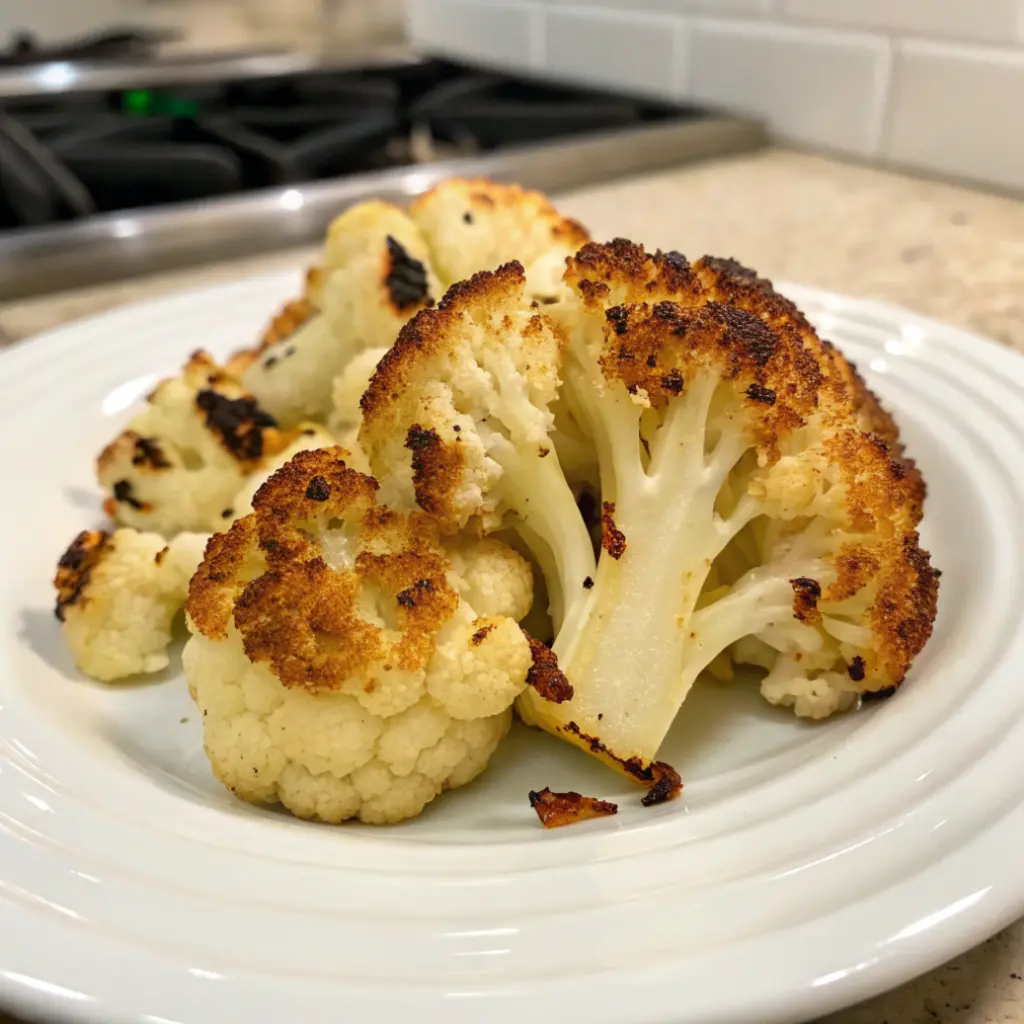
Some of my favorite versions of this curry were born out of necessity. I’ve swapped chicken for chickpeas and sweet potatoes when cooking for vegetarian friends, stirred in spinach at the end when I needed to use it up, and added roasted cauliflower for extra heartiness. One night, completely out of coconut milk, I used plain yogurt, and it turned into a beautifully tangy sauce that my family still asks for. This recipe invites creativity, and I encourage you to let your pantry guide you.
Serving Suggestions
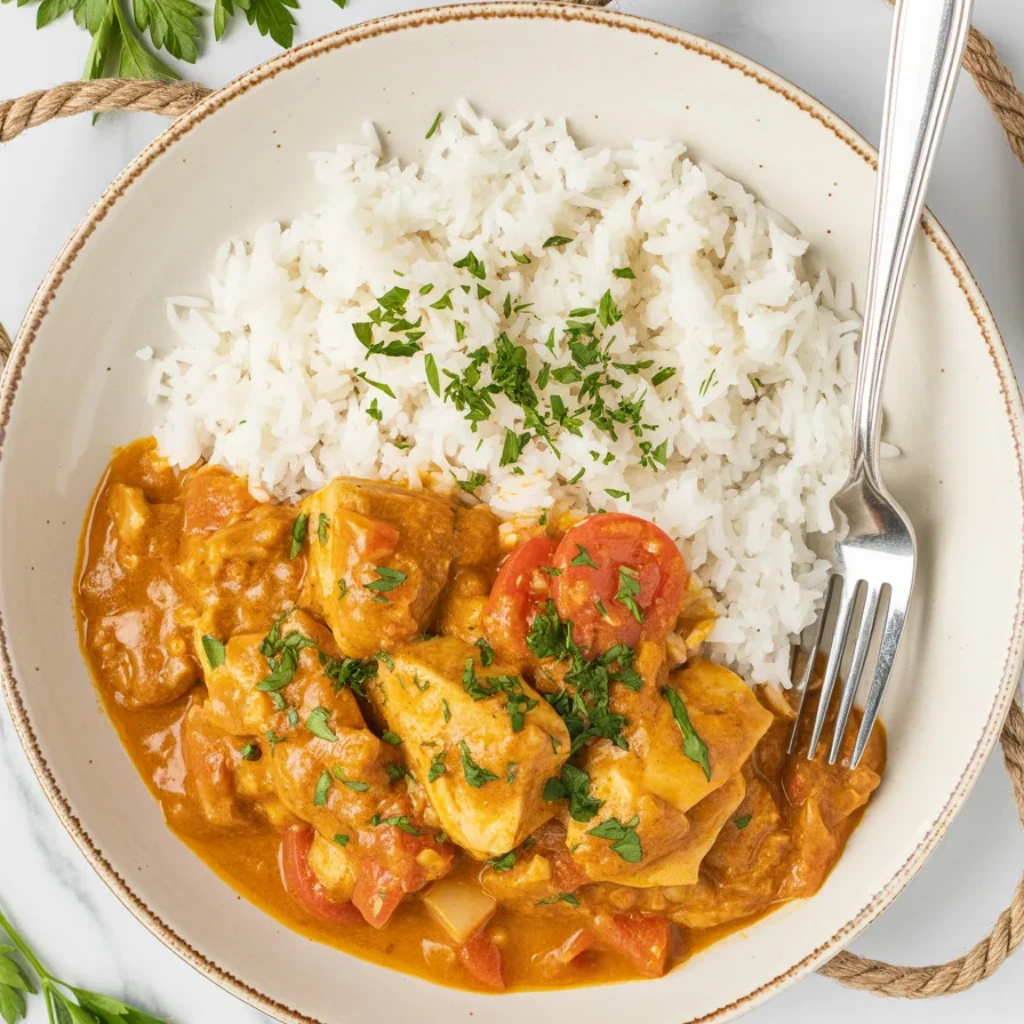
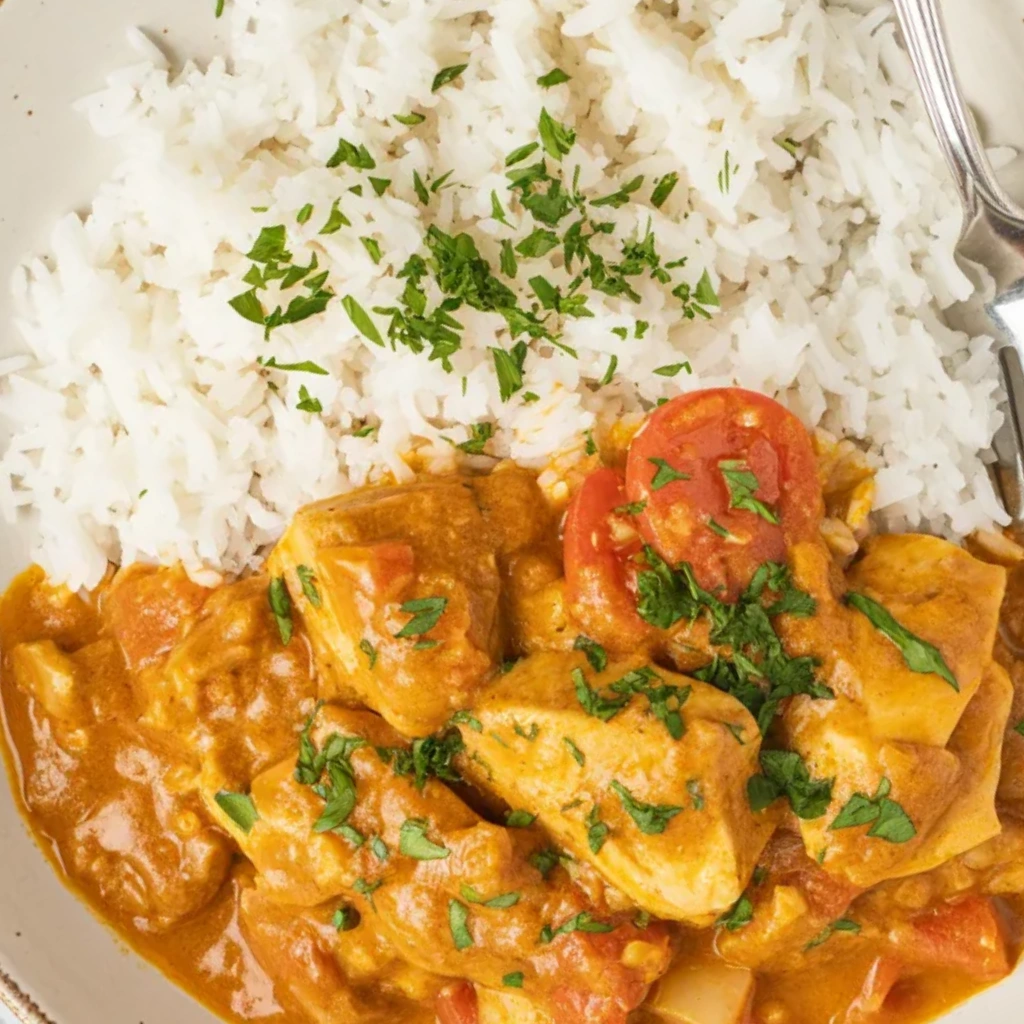
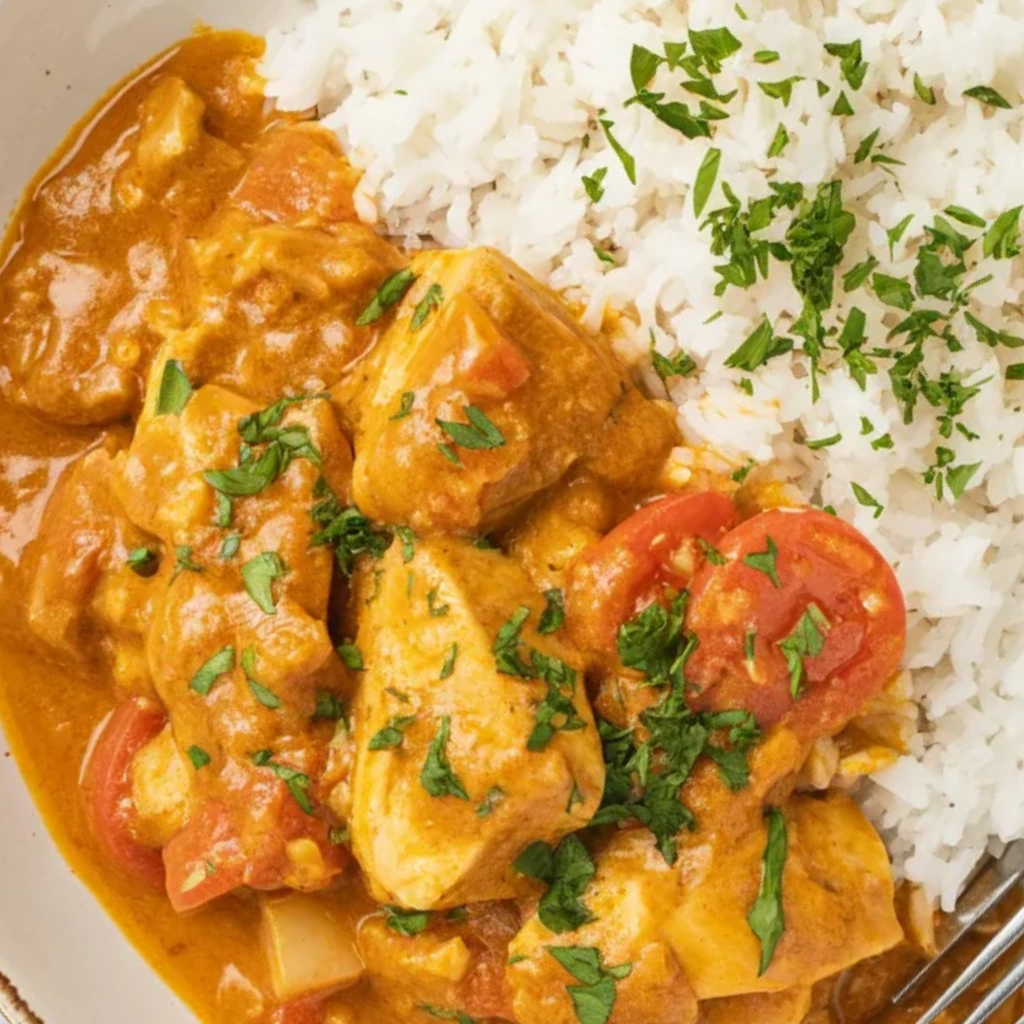
This chicken curry feels right at home over fluffy basmati rice, but I also love it with warm naan or soft flatbread to soak up every drop of sauce. On lighter days, I’ll serve it with a simple cucumber salad or steamed vegetables. It’s perfect for cozy family dinners, casual gatherings, or quiet nights when you just want something nourishing and familiar.
Storage & Reheating Instructions
Leftover chicken curry stores beautifully in an airtight container in the refrigerator for up to four days. In fact, the flavors deepen overnight, making it even better the next day. To reheat, gently warm it on the stove over low heat, adding a splash of water or coconut milk if the sauce thickens too much. I often make a double batch just so I can enjoy easy, comforting meals throughout the week.
Recipe FAQs (Answered by Clara)
Can I make this ahead of time?
You sure can. I often prepare it in the morning, cover it tightly, and pop it in the fridge. It actually tastes better after resting, which makes it perfect for entertaining or busy schedules.
What’s the best spiralizer to use?
I don’t usually spiralize anything for this dish, but when I want to serve it over veggie noodles, I prefer a simple handheld spiralizer. It’s easy to clean, quick to use, and doesn’t take up much space.
Can I serve it cold?
Personally, I prefer chicken curry warm, but I’ve enjoyed it chilled in wraps or cold rice bowls on hot days. The flavors still shine, just in a different way.
How do I make it less watery?
Letting the sauce simmer uncovered helps it thicken naturally. If it’s still thinner than you like, simply cook it a little longer or mash a few pieces of chicken into the sauce for extra body.
Conclusion
This chicken curry has seen me through hectic weeks, quiet evenings, celebrations, and moments when cooking felt like the only steady thing in my day. It’s more than just a recipe — it’s comfort, familiarity, and nourishment wrapped in one warm bowl. I hope it finds a place in your kitchen the way it has in mine. If you try it, I’d love to hear how you made it your own. Leave a comment, share your version, or simply enjoy the process. After all, the heart of cooking isn’t perfection — it’s connection.
Nutrition Information (Optional)
Approximate values per serving (based on 4 servings):
Calories: 420
Protein: 32g
Fat: 24g
Carbohydrates: 18g
Fiber: 4g
Sugar: 6g
Chicken Curry
Ingredients
- 1½ lbs boneless chicken thighs or breasts cut into chunks
- 2 tablespoons vegetable oil
- 1 large onion finely chopped
- 3 cloves garlic minced
- 1 tablespoon fresh ginger grated
- 2 tablespoons curry powder
- 1 teaspoon ground cumin
- 1 teaspoon ground coriander
- ½ teaspoon turmeric
- ½ teaspoon chili powder optional
- 1 can 14.5 oz diced tomatoes
- 1 cup coconut milk or heavy cream
- ½ cup chicken broth
- Salt to taste
- Fresh cilantro for garnish
Instructions
- Heat oil in a large skillet or pot over medium heat.
- Add onion and cook until soft and golden.
- Stir in garlic and ginger; cook for 1 minute until fragrant.
- Add curry powder, cumin, coriander, turmeric, and chili powder. Toast spices for 30 seconds.
- Add chicken pieces and cook for 5–6 minutes until lightly browned.
- Stir in diced tomatoes, coconut milk, and chicken broth.
- Bring to a simmer, cover, and cook for 20–25 minutes until chicken is tender and sauce thickens.
- Season with salt to taste.
- Garnish with fresh cilantro and serve hot.
Notes
- Creamy version: Use coconut milk for dairy-free richness.
- Spice control: Adjust chili powder to taste.
- Vegetable add-ins: Potatoes, peas, spinach, or cauliflower.
- Storage: Refrigerate leftovers up to 4 days.
- Serving ideas: Serve with basmati rice, naan, or roti.