I still remember the first time I truly got chicken stir fry right—not just edible, but the kind of dinner that makes you pause after the first bite and think, “Okay, I need to save this one.”
It was a Tuesday, one of those long days where everything feels slightly behind schedule. I had chicken in the fridge, half a bell pepper looking a little tired, and a small knob of ginger I kept forgetting to use. I almost defaulted to eggs and toast, but something about the colors in that crisper drawer made me want something fresher, something hot and fast but still real food.
The first version I made was a mess. The pan was too crowded, the chicken steamed instead of seared, and the sauce turned watery and thin. I remember standing there thinking stir fry was supposed to be easy—why did mine taste like disappointment?
But that’s how I learned this dish properly. Not from perfection, but from repetition. Over time, I figured out the small details that matter: dry chicken before it hits the pan, high heat without hesitation, and a sauce that actually clings instead of disappearing.
Now, chicken stir fry is one of those recipes I rely on when I want dinner to feel effortless but still intentional. It’s fast, flexible, and honest food—the kind that doesn’t pretend to be anything it’s not.
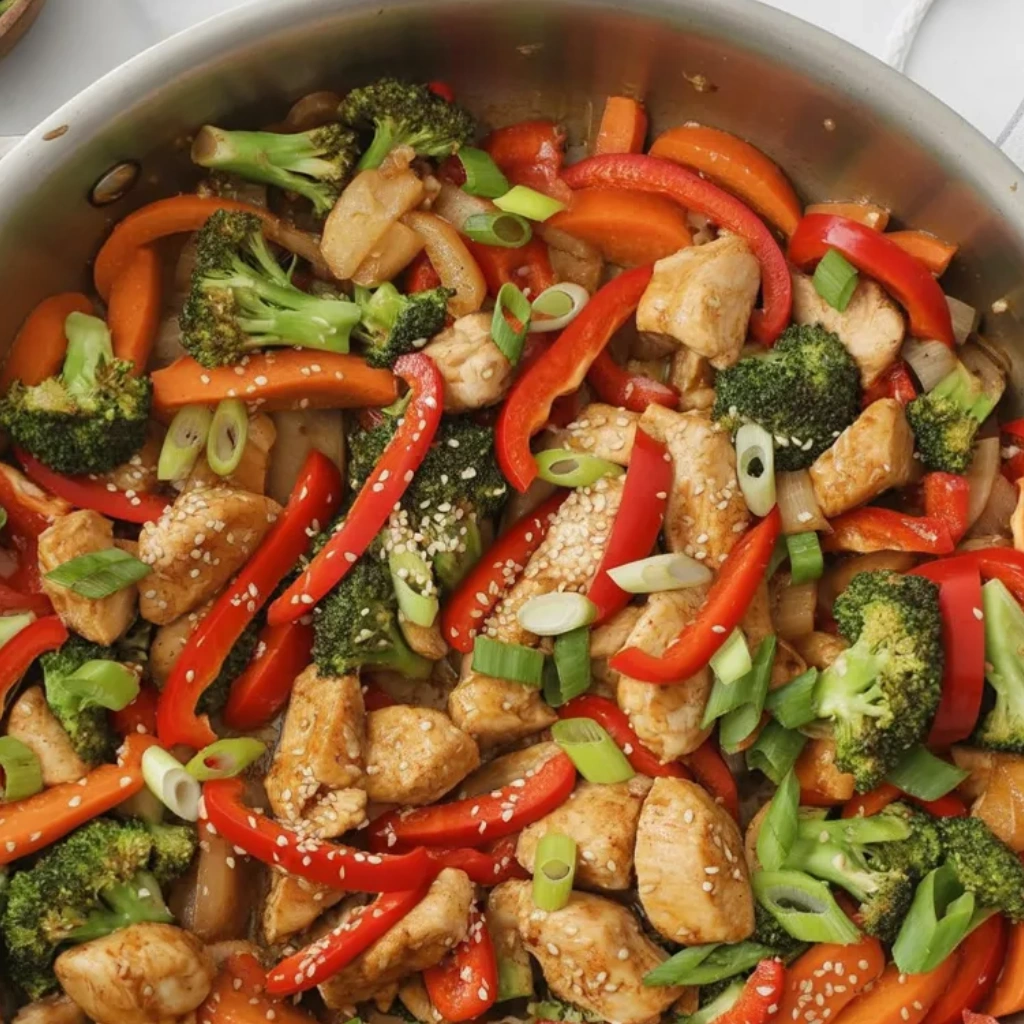
Why You’ll Love This Recipe
- It comes together quickly, making it perfect for busy nights
- Uses simple, affordable ingredients you probably already have
- Easily customizable based on what’s in your fridge
- Packed with fresh flavor and satisfying texture
- Works beautifully for meal prep and leftovers
Ingredients You’ll Need
This is one of those recipes where the ingredients are simple, but each one plays a role. I’ve made stir fry with everything from carefully planned grocery lists to “use what’s about to go bad” fridge raids, and both can work beautifully.
- Chicken breast or chicken thighs: I tend to prefer thighs when I want extra juiciness and forgiveness in cooking, but breast works well if you don’t overcook it. Slice it thin so it cooks quickly and evenly.
- Soy sauce: This builds the base of the flavor. I usually keep a low-sodium version on hand so I can control salt better.
- Garlic: Freshly minced makes a noticeable difference here. I’ve tried the jarred kind in a rush, and while it works, the aroma just isn’t the same.
- Ginger: This is where the dish wakes up. It adds warmth and brightness that balances the savory sauce.
- Bell peppers: Any color works, but I like mixing red and green for contrast and slight sweetness.
- Onion: Adds depth and a subtle sweetness once it softens in the pan.
- Broccoli: Optional, but I almost always include it. It holds up well and soaks in the sauce.
- Cornstarch: This is my quiet trick for a silky sauce that actually sticks to the chicken instead of pooling at the bottom of the pan.
- Sesame oil: Just a small drizzle at the end adds a nutty finish that changes everything.
- Vegetable oil: For high-heat cooking.
- Optional extras: Chili flakes for heat, honey or brown sugar for a slight sweetness, or rice vinegar for brightness.
One thing I’ve learned over time: stir fry is forgiving, but not vague. You still need balance—savory, slightly sweet, a bit of acidity, and something aromatic.
How to Make It (Step-by-Step Instructions)
Step 1: Prepare everything before the heat goes on
This is the step I used to ignore, and it always cost me. Stir fry moves fast, and once the pan is hot, you don’t have time to chop, search, or second-guess anything. I like to slice the chicken first, then prep all vegetables into similar-sized pieces so everything cooks evenly. I also mix the sauce ahead of time in a small bowl—soy sauce, garlic, ginger, cornstarch, and a touch of sweetness if I’m using it.
Step 2: Cook the chicken properly, not hurriedly
Heat your pan until it’s genuinely hot. Not warm, not medium—hot enough that a drop of water sizzles immediately. Add oil, then lay the chicken in a single layer. This is where most mistakes happen. If you overcrowd the pan, the chicken steams instead of browning, and you lose that depth of flavor.
Let it sit for a minute or two before stirring. I know it’s tempting to move it around, but patience here builds that light golden edge that makes stir fry taste like takeout in the best way. Once cooked through, remove it from the pan and set it aside.
Step 3: Cook the vegetables with intention
In the same pan, add a bit more oil if needed, then start with onions. Let them soften slightly before adding harder vegetables like broccoli. Bell peppers go in after, so they keep a bit of their crunch. I like my vegetables to still have structure—not mushy, not raw, but somewhere in between.
This step is where you build texture. Stir fry should never feel flat.
Step 4: Bring everything together with sauce
Once the vegetables are just tender, return the chicken to the pan. Pour in the sauce and toss everything quickly but gently. You’ll notice almost immediately how the cornstarch thickens everything into a glossy coating instead of a thin liquid pooling at the bottom.
This is also where timing matters. The sauce doesn’t need long—just enough heat to thicken and bind.
Step 5: Finish and serve
Turn off the heat and add a small drizzle of sesame oil. It seems minor, but it rounds everything out. Taste and adjust if needed—sometimes I add a pinch more soy sauce or a squeeze of lime depending on my mood.
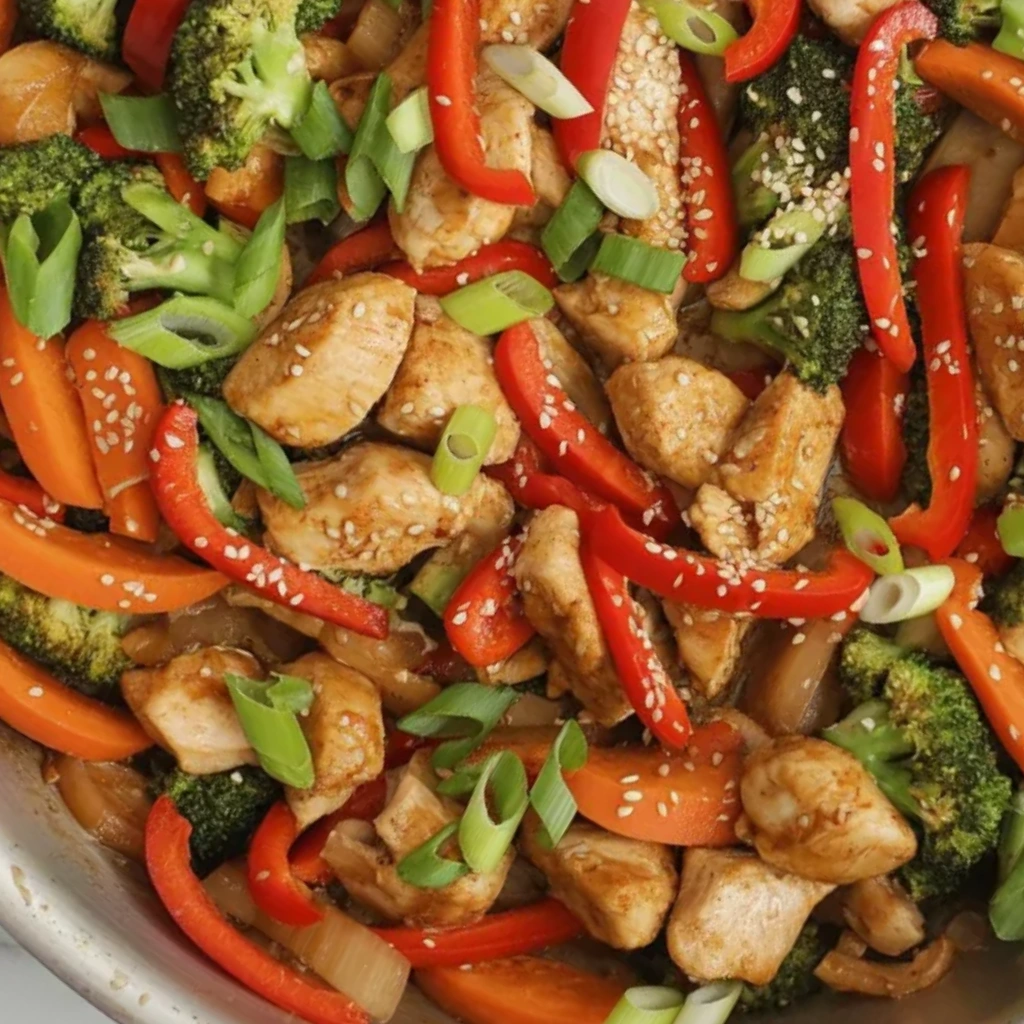
Expert Tips for the Best Results
The biggest lesson I’ve learned with chicken stir fry is that technique matters more than complexity. High heat, dry chicken, and a prepped workspace will do more for your result than any fancy ingredient ever could. I always remind myself not to rush the browning step, because that’s where flavor is built, and I’ve ruined more than one batch by stirring too early. Another thing that changed everything for me was cooking in batches when needed—if the pan is crowded, you’re not stir frying anymore, you’re steaming, and the texture will show it. And finally, the sauce should be balanced before it hits the pan. Once it cooks, there’s no easy fixing, so I always taste it raw and adjust there instead of hoping it will “work itself out.”
Variations & Substitutions
I’ve made this dish in so many versions that I’ve stopped treating the recipe as fixed. Some nights I swap chicken for shrimp when I want something lighter, and other times I use tofu when I’m leaning vegetarian. If I don’t have broccoli, snap peas or zucchini step in easily. I’ve even used leftover roasted vegetables before, and while it wasn’t traditional stir fry anymore, it still tasted comforting and complete. On days when I want a bit more richness, I’ll add a spoon of peanut butter into the sauce for a deeper, slightly nutty profile. And if I’m out of fresh ginger, a small pinch of ground ginger works in a pinch, though I always miss that fresh bite it usually brings.
Serving Suggestions
I usually serve chicken stir fry over simple steamed rice because it lets the sauce soak in without competing flavors. On nights when I want something lighter, I’ll go with jasmine rice or even rice noodles. It also pairs nicely with a side of cucumber salad if I want something fresh and cooling alongside it. This is one of those meals that works just as well for a quiet dinner at home as it does for casual meal prep lunches during the week. I’ve even served it straight from the pan at the table when I didn’t feel like making it formal, and honestly, that’s often when it tastes best.
Storage & Reheating Instructions
Leftovers keep surprisingly well, which is one of the reasons I make this so often. I store it in an airtight container in the fridge, and it usually holds up for about three to four days. The vegetables soften slightly over time, but the flavor deepens in a way I actually enjoy. When reheating, I prefer using a skillet over the microwave because it helps bring back some of the original texture. A small splash of water or broth helps loosen the sauce if it thickens too much in the fridge. I’ve found that rushing the reheating step in the microwave can sometimes make the chicken a bit dry, so I take a few extra minutes on the stove when I can.
Recipe FAQs (Answered by Clara)
Can I make this ahead of time?
You sure can. I often prepare it in the morning, cover it tightly, and pop it in the fridge. It actually tastes better after resting.
What’s the best spiralizer to use?
For this recipe, you don’t need a spiralizer at all, but when I do make veggie noodles on the side, I’ve had the best results with a simple handheld spiralizer. Nothing fancy—just something reliable that doesn’t fight you while you’re cooking.
Can I serve it cold?
I don’t usually, but I have eaten leftovers straight from the fridge on busy days. The flavors hold up, but I personally prefer it warm so the sauce feels more present.
How do I make it less watery?
This usually comes down to two things I learned the hard way: don’t overcrowd the pan, and don’t skip the cornstarch in the sauce. Both are key for that glossy, clingy texture instead of a watery finish.
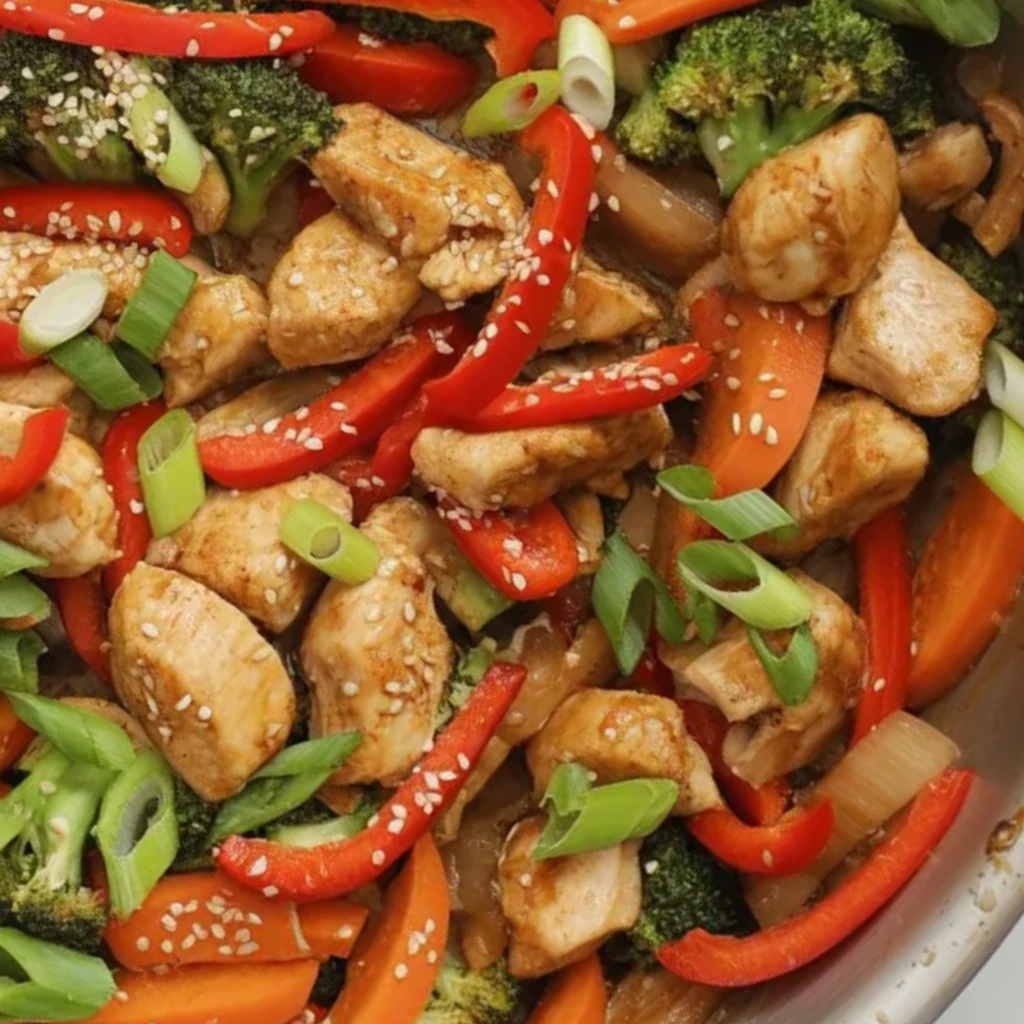
Conclusion
Chicken stir fry is one of those recipes that reminds me that cooking doesn’t need to be complicated to be meaningful. It’s quick, flexible, and forgiving, but it still rewards attention to detail. I’ve made it on rushed weeknights, slow Sundays, and everything in between, and it never feels like the same meal twice.
If you try it, don’t worry about getting it perfect the first time. Pay attention to what works in your kitchen, adjust it to your taste, and let it become one of those recipes you return to without thinking too much about it.
Chicken Stir Fry
Ingredients
For the Stir Fry:
- 1 lb 450 g chicken breast, thinly sliced
- 2 tablespoons vegetable oil
- 1 cup broccoli florets
- 1 bell pepper sliced
- 1 cup snap peas or green beans
- 1 carrot thinly sliced
- 2 cloves garlic minced
- 1 teaspoon fresh ginger grated (optional)
For the Sauce:
- ¼ cup soy sauce
- 2 tablespoons oyster sauce
- 1 tablespoon honey or brown sugar
- 1 tablespoon cornstarch
- ½ cup water
Instructions
Prepare the sauce:
- In a small bowl, whisk together soy sauce, oyster sauce, honey, cornstarch, and water. Set aside.
Cook the chicken:
- Heat 1 tablespoon oil in a large skillet or wok over medium-high heat.
- Add chicken and cook until browned and cooked through. Remove and set aside.
Cook the vegetables:
- Add remaining oil to the pan.
- Stir-fry broccoli, bell pepper, snap peas, and carrot for 4–5 minutes until tender-crisp.
Add aromatics:
- Stir in garlic and ginger and cook for 30 seconds until fragrant.
Combine:
- Return chicken to the pan.
- Pour in the sauce and stir well.
Finish:
- Cook for 2–3 minutes until the sauce thickens and coats everything evenly.
Serve:
- Serve hot over rice or noodles.
Notes
- Protein swap: Use shrimp, beef, or tofu instead of chicken.
- Extra flavor: Add chili flakes or sriracha for heat.
- Crispier veggies: Don’t overcook—keep them slightly crunchy.
- Meal prep: Stores well in the fridge for up to 4 days.