The first time I made egg roll in a bowl, it wasn’t because I was chasing a trend or trying to reinvent dinner. It was one of those nights where the fridge was half full, everyone was hungry, and I didn’t feel like deep-frying anything or ordering takeout again. I remember staring at a head of cabbage that had seen better days, a package of ground meat I needed to use, and a bottle of soy sauce pushed to the back of the shelf. I had egg rolls on my mind, but not the energy for wrappers, oil, or cleanup. So I tried breaking the idea down to its essentials, tossing everything into one pan, and hoping for the best.
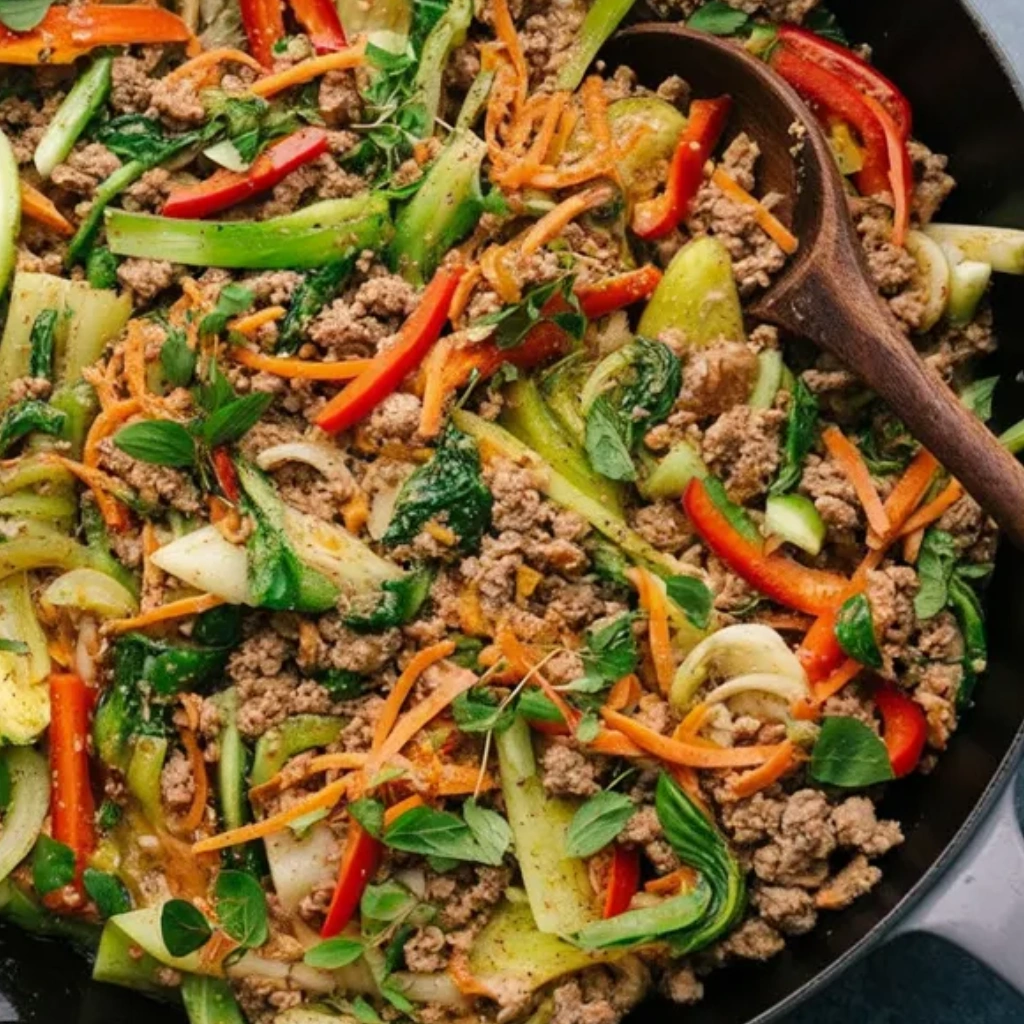
What came out of that skillet surprised me. It had all the comforting flavors I love in an egg roll—the savory meat, tender-crisp cabbage, ginger, garlic—but without the heaviness. Over the years, I’ve made this dish more times than I can count. I’ve burned it once, under-seasoned it another time, and learned exactly when to stop cooking so the cabbage stays just right. This is one of those recipes that grew with me, and now it’s something I make when I want a meal that feels satisfying without being complicated.
Why You’ll Love This Recipe
- It comes together quickly in one pan with minimal cleanup
- Budget-friendly ingredients you can find almost anywhere
- Big, comforting flavor without frying
- Easy to customize with what you already have
- Tastes just as good, if not better, the next day
Ingredients You’ll Need
Ground meat is the backbone here. I usually reach for ground pork because it has the richness that reminds me most of a classic egg roll filling, but ground chicken, turkey, or even beef all work. I’ve used whatever was on sale more times than I can admit.
Green cabbage is essential. I’ve tried fancy bagged slaw mixes, but a simple head of cabbage gives the best texture and holds up without turning mushy. Slice it thin, but don’t stress about perfection—rustic cuts are just fine.
Carrots add sweetness and color. I often grate them myself, but pre-shredded carrots are perfectly acceptable, especially on busy nights.
Onion and garlic form the flavor base. I like yellow onion for its mellow sweetness, and I’m generous with garlic because it mellows as it cooks.
Fresh ginger makes a difference if you have it. When I don’t, ground ginger steps in, and the dish still turns out comforting and familiar.
Soy sauce brings everything together. I usually use low-sodium so I can control the salt, especially since cabbage releases liquid as it cooks.
Sesame oil is optional but highly recommended. A small drizzle at the end adds that unmistakable egg roll aroma.
Green onions are my finishing touch. Sometimes I forget them, and while the dish is still good, I always miss that fresh bite.
How to Make It (Step-by-Step Instructions)
Step 1: Brown the meat
I start with a large skillet or sauté pan over medium heat. Add the ground meat and let it sit for a minute before stirring. I learned the hard way that stirring too early prevents browning, and browning is where flavor begins. Break the meat up as it cooks, letting some pieces get a little golden.
Step 2: Add aromatics
Once the meat is mostly cooked, I add the diced onion. Let it soften before adding garlic and ginger. This order matters—garlic burns quickly, and burnt garlic can ruin the whole pan. Stir gently and let the kitchen fill with that warm, savory smell.
Step 3: Add vegetables
Toss in the cabbage and carrots. It will look like far too much at first, and that’s normal. Cabbage shrinks more than you think. Stir everything together, coating the vegetables in the flavorful fat from the meat.
Step 4: Season and simmer
Pour in the soy sauce and give it a good stir. Lower the heat slightly and let everything cook down. This is where patience pays off. Too much heat will release water too quickly and leave you with a soggy result.
Step 5: Finish and adjust
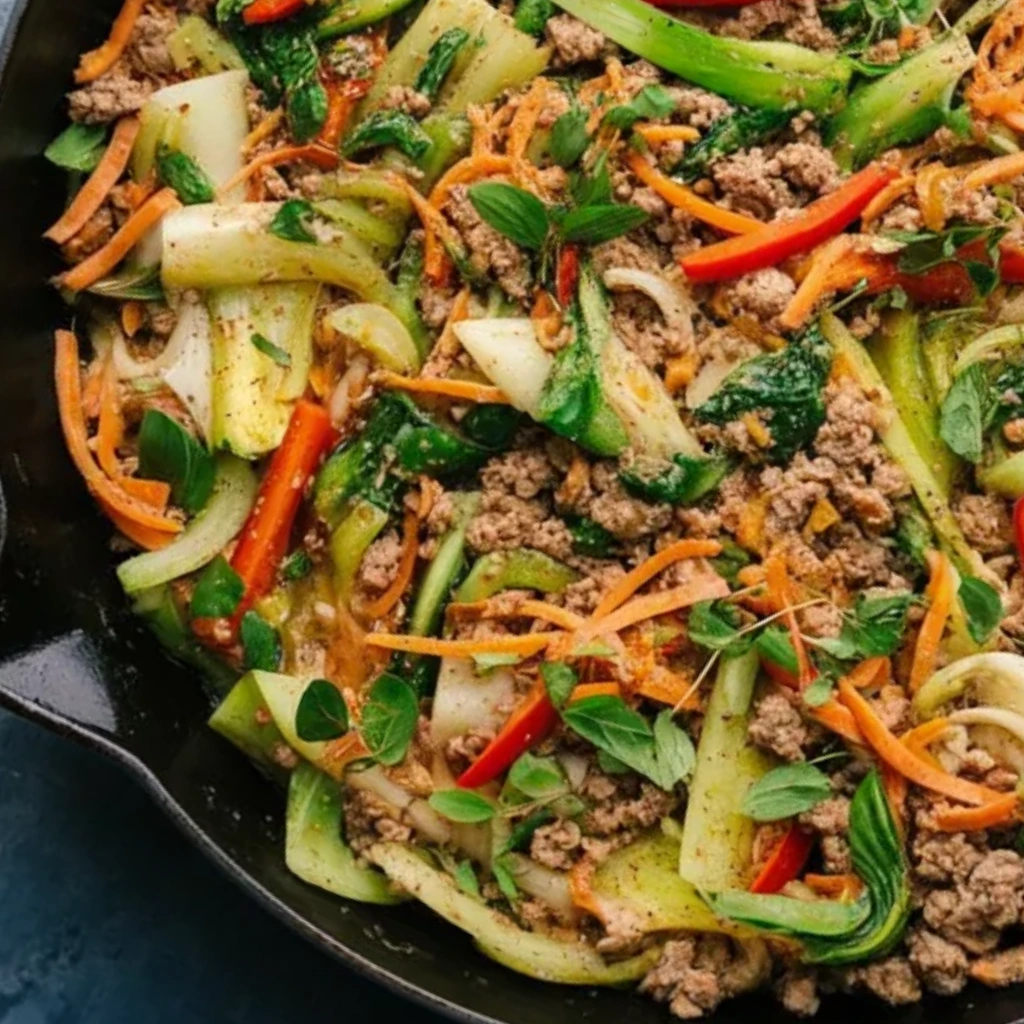
Once the cabbage is tender but still has a little bite, drizzle in sesame oil and add green onions. Taste and adjust seasoning. Sometimes I add a pinch of salt, sometimes a splash more soy sauce. Trust your palate here.
Expert Tips for the Best Results
After years of making this dish, I’ve learned that restraint is key. Don’t overcrowd the pan, don’t rush the cooking, and don’t drown it in sauce. Letting the cabbage cook gently keeps it flavorful instead of watery, and tasting as you go makes all the difference. I’ve also learned that stopping a minute early is better than cooking too long—the residual heat finishes the job.
Variations & Substitutions
This recipe has saved me more times than I can count when I was missing something. I’ve swapped cabbage for coleslaw mix, added mushrooms when I wanted extra bulk, and even stirred in a spoonful of chili paste when I needed heat. One night I used leftover roasted chicken instead of ground meat, and it turned into a completely different but equally comforting meal. That’s the beauty of this dish—it’s forgiving.
Serving Suggestions
I usually serve egg roll in a bowl on its own, straight from the pan into wide bowls. When I want to stretch it, I spoon it over rice or cauliflower rice. It’s perfect for weeknights, casual lunches, or those evenings when everyone eats at different times and needs something that reheats well.
Storage & Reheating Instructions
Leftovers go into an airtight container in the fridge and keep well for up to four days. When reheating, I prefer a skillet over the microwave because it helps evaporate excess moisture and brings the flavors back to life. Expect the cabbage to soften a bit more, but the taste only improves.
Recipe FAQs (Answered by Clara)
Can I make this ahead of time?
You sure can. I often make it earlier in the day and let it rest in the fridge. The flavors deepen, and it reheats beautifully.
What’s the best spiralizer to use?
Honestly, I don’t spiralize anything for this recipe. A sharp knife and a steady hand have always worked best for me.
Can I serve it cold?
You can, though I prefer it warm. Cold, it’s more like a savory slaw—still tasty, just different.
How do I make it less watery?
The key is medium heat and patience. Let the cabbage release moisture slowly, and avoid covering the pan while it cooks.
Conclusion
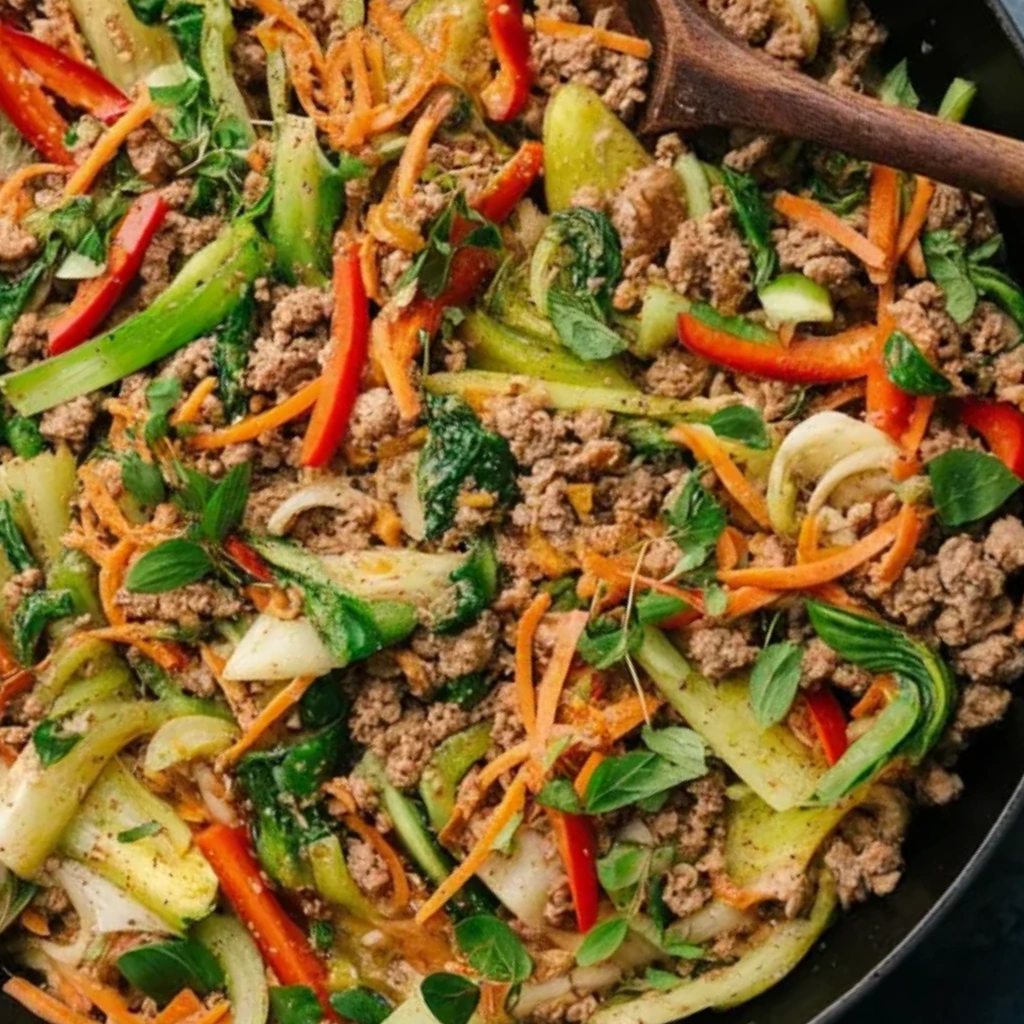
Egg roll in a bowl is one of those recipes that reminds me cooking doesn’t have to be complicated to be comforting. It’s adaptable, forgiving, and rooted in real kitchen life—the kind of dish you make when you want good food without fuss. If you try it, make it your own, and don’t be afraid to adjust as you go. I’d love to hear how it turns out in your kitchen.
Nutrition Information (Optional)
Approximate values per serving: calories 300–350, protein 20–25g, carbohydrates 10–15g, fat 18–22g. Values vary based on ingredients used.
Egg Roll in a Bowl
Ingredients
- 1 pound ground chicken turkey, or pork
- 1 tablespoon sesame oil
- 1 tablespoon olive oil
- 3 cloves garlic minced
- 1 tablespoon fresh ginger grated
- 1 small onion diced
- 1 bag 14 oz coleslaw mix or shredded cabbage
- 2 tablespoons soy sauce or coconut aminos
- 1 teaspoon rice vinegar
- ½ teaspoon salt adjust to taste
- ¼ teaspoon black pepper
- ¼ teaspoon crushed red pepper flakes optional
- 2 green onions sliced
- Sesame seeds for garnish (optional)
Instructions
- Heat olive oil and sesame oil in a large skillet over medium heat.
- Add ground meat and cook until browned, breaking it apart as it cooks.
- Stir in onion, garlic, and ginger; cook for 2–3 minutes until fragrant.
- Add coleslaw mix and cook for 5–7 minutes until cabbage is tender but not mushy.
- Stir in soy sauce, rice vinegar, salt, pepper, and red pepper flakes.
- Cook for another 2–3 minutes, stirring to combine all flavors.
- Remove from heat and garnish with green onions and sesame seeds before serving.
Notes
- Protein swap: Works well with ground beef, shrimp, or tofu.
- Extra veggies: Add carrots, mushrooms, or bell peppers for more texture.
- Low-sodium: Use low-sodium soy sauce to control salt levels.
- Meal prep: Stores well in the refrigerator for up to 4 days.
- Serving idea: Serve over cauliflower rice or jasmine rice if desired.