I still remember the first time I made Greek chicken the way I make it today. It was one of those days when the kitchen felt heavy—too many decisions, too little energy, and that familiar question hanging in the air: What’s for dinner? I had chicken thawed on the counter, a lemon rolling around in the fruit bowl, and a half-used container of yogurt in the fridge. Nothing fancy. Nothing planned. But sometimes, those are the moments that lead to the best meals.
I started mixing olive oil, garlic, lemon juice, and herbs almost instinctively, the way you do when your hands remember before your brain does. The smell of oregano and garlic blooming in warm oil filled the kitchen, and suddenly, I was back in my grandmother’s tiny kitchen, standing on a stool, looking down at her marinating chicken in a chipped ceramic bowl. She never followed recipes. She cooked by feel, by smell, and by memory, and I think that’s where I learned to trust my instincts, too.
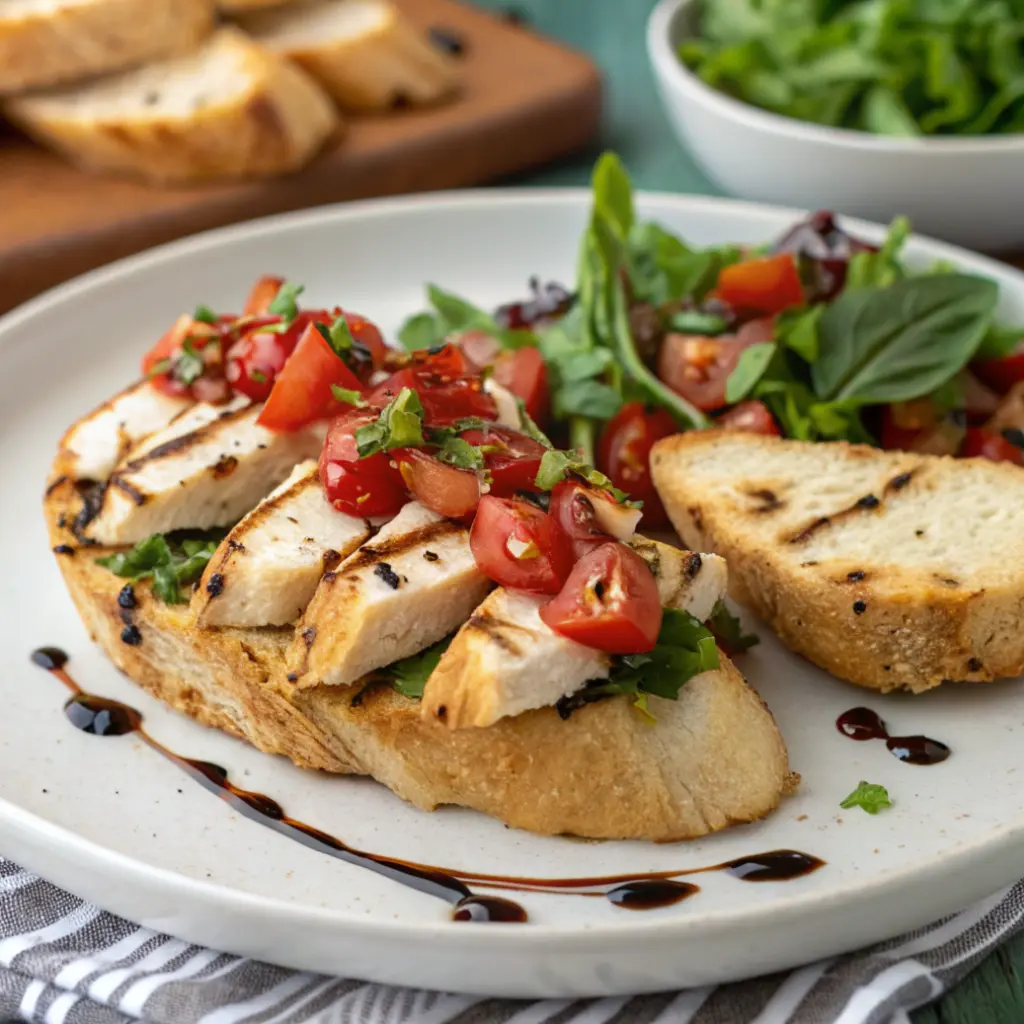
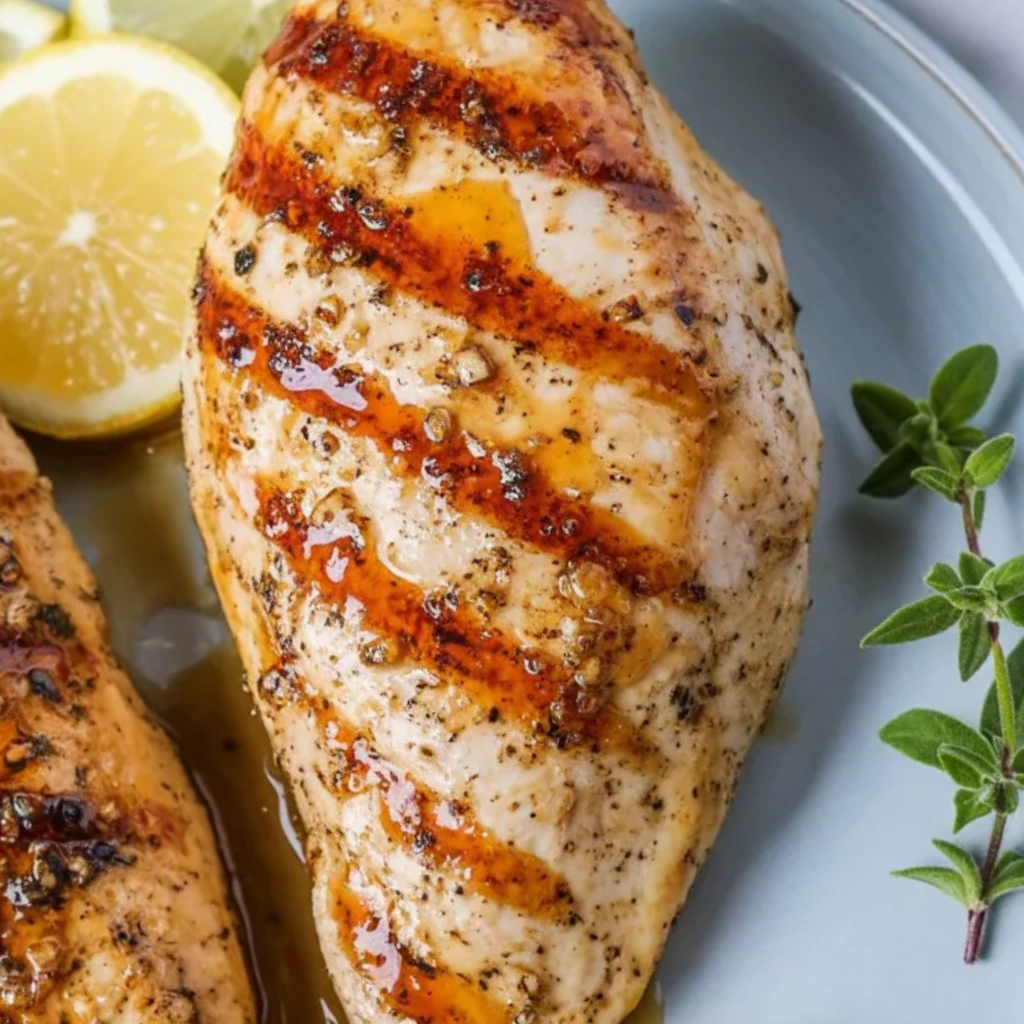
That night, the chicken came out golden, juicy, and bursting with flavor. We ate it with warm bread, a simple salad, and more gratitude than we probably realized at the time. Since then, Greek chicken has become one of those anchor recipes in my kitchen—the one I turn to when I want comfort, brightness, and something that feels like home, even if home changes over the years.
This recipe is my version of that memory. It’s honest, forgiving, and deeply satisfying. I hope it finds a place at your table, too.
Why You’ll Love This Recipe
- Simple ingredients you probably already have
- Bold, fresh flavors that taste like sunshine
- Juicy, tender chicken every time
- Perfect for meal prep and leftovers
- Works for busy weeknights and relaxed weekend dinners
Ingredients You’ll Need
This is one of those recipes where the quality of your ingredients really shines, but you don’t need anything fancy. I’ve made this with grocery store basics and farmers market finds, and both versions were beautiful in their own way.
Chicken thighs or breasts – I almost always reach for boneless, skinless chicken thighs. They stay juicy, soak up the marinade beautifully, and forgive small timing mistakes. If you prefer chicken breasts, just be careful not to overcook them.
Olive oil – Use a good-quality extra virgin olive oil if you can. It adds richness and depth that makes the whole dish sing.
Fresh lemon juice and zest – Bottled lemon juice just isn’t the same here. Fresh lemon brings brightness and balance, cutting through the richness of the oil and chicken.
Garlic – Freshly minced. Always. I’ve tried shortcuts, and I always regret it.
Greek yogurt – This tenderizes the chicken and adds a subtle tang. Full-fat yogurt works best, but I’ve used low-fat when that’s what I had, and it still turned out great.
Dried oregano – This is the heart of Greek flavor. Don’t skip it.
Paprika – Adds warmth and gentle color.
Salt and black pepper – Season generously. Chicken loves salt.
Optional additions – Red wine vinegar, fresh thyme, rosemary, or a pinch of cumin if you like a deeper, earthier note.
Every ingredient here has a role to play. Together, they create something that tastes layered, thoughtful, and deeply satisfying without being complicated.
How to Make It (Step-by-Step Instructions)
Step 1: Make the Marinade
Start by combining olive oil, fresh lemon juice, lemon zest, minced garlic, Greek yogurt, oregano, paprika, salt, and black pepper in a large bowl. Whisk it until smooth and creamy. I always take a moment here to smell the mixture. If it smells bright and inviting, you’re on the right track. If it smells flat, it usually means it needs more salt or lemon.
Taste the marinade. Yes, even though it has raw garlic. Just a tiny dab on the tip of your finger. Adjust as needed. This step alone can turn a good dish into a great one.
Step 2: Marinate the Chicken
Add your chicken to the bowl and use your hands to really massage the marinade into every piece. Don’t rush this. Those extra thirty seconds make a difference. Cover the bowl and refrigerate for at least 30 minutes, though I highly recommend letting it sit for 2 to 12 hours if you can. The longer it marinates, the more flavorful and tender it becomes.
On busy days, I’ll mix this up in the morning so dinner is almost effortless. That little bit of planning always feels like a gift to my future self.
Step 3: Preheat and Prepare
When you’re ready to cook, preheat your oven to 400°F (200°C). Lightly oil a baking dish or line a sheet pan with parchment paper. Arrange the chicken in a single layer, leaving a little space between each piece so they roast instead of steam.
Step 4: Bake Until Golden and Juicy
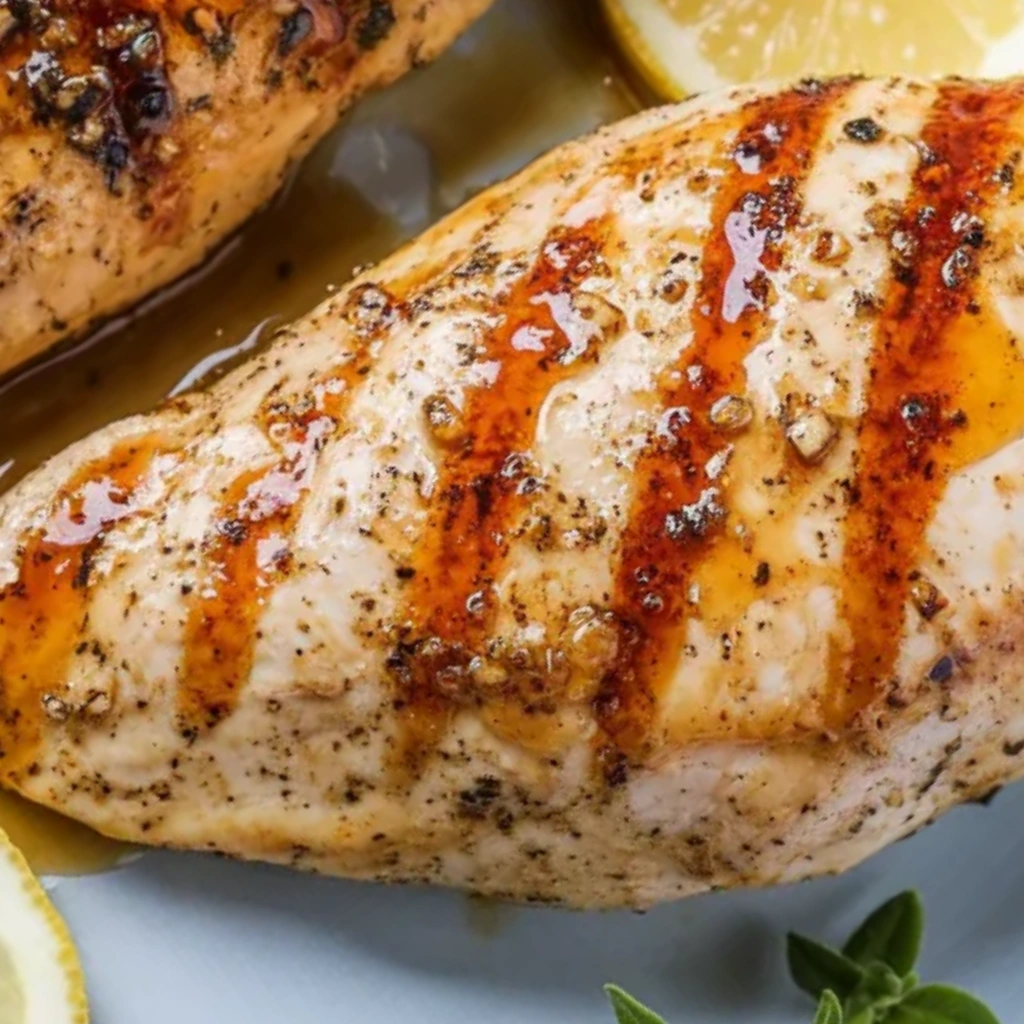
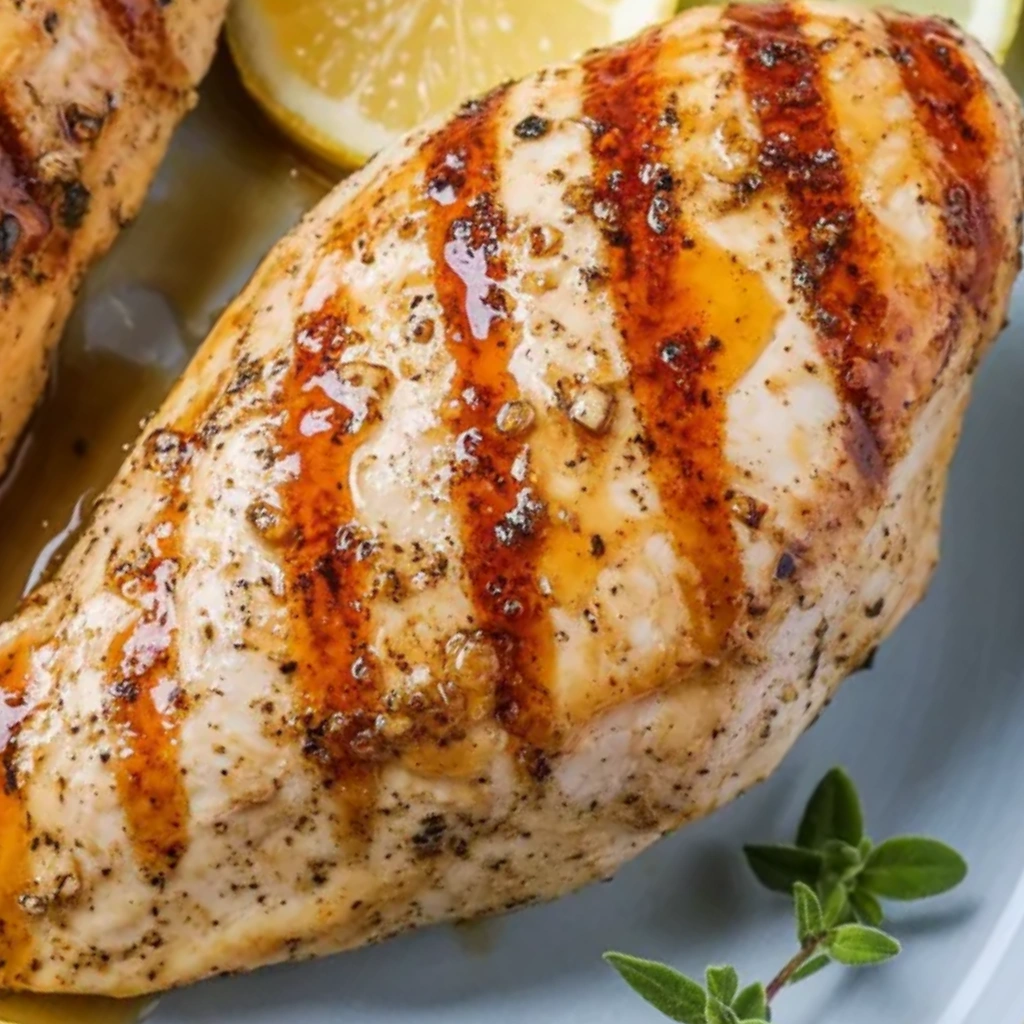
Bake the chicken for 25 to 35 minutes, depending on thickness, until it’s cooked through and lightly golden. If you want a deeper color, you can broil it for the last 2 to 3 minutes, but watch it closely. That beautiful golden crust can turn dark quickly.
When it’s done, let the chicken rest for about 5 minutes before serving. This helps the juices redistribute, keeping every bite tender and moist.
Step 5: Finish and Serve
Before serving, I like to squeeze a little extra lemon over the top and sprinkle on some fresh herbs if I have them. It adds a fresh finish that makes everything taste brighter and more alive.
Expert Tips for the Best Results
Over the years, I’ve learned that Greek chicken rewards patience and attention to small details. Letting the chicken marinate longer gives the flavors time to deepen, while bringing the chicken to room temperature for about 15 minutes before baking helps it cook more evenly. Always use fresh lemon and real garlic, and don’t be shy with seasoning. A well-salted marinade makes all the difference, and that final squeeze of lemon right before serving adds a brightness that lifts the entire dish. Most importantly, trust your senses—smell, taste, and instinct will guide you better than strict measurements ever could.
Variations & Substitutions
This recipe has saved me on countless nights when my fridge looked bare, and over time, I’ve learned it’s wonderfully flexible. If I’m out of yogurt, I’ll use sour cream or even a splash of buttermilk. No fresh lemons? A mix of vinegar and a bit of orange juice works surprisingly well. I’ve added honey for a touch of sweetness, mustard for depth, and even a spoonful of pesto when herbs were scarce. Once, I tossed in some leftover roasted garlic and a handful of olives, and it became a new family favorite. Greek chicken welcomes creativity, so don’t be afraid to make it your own.
Serving Suggestions
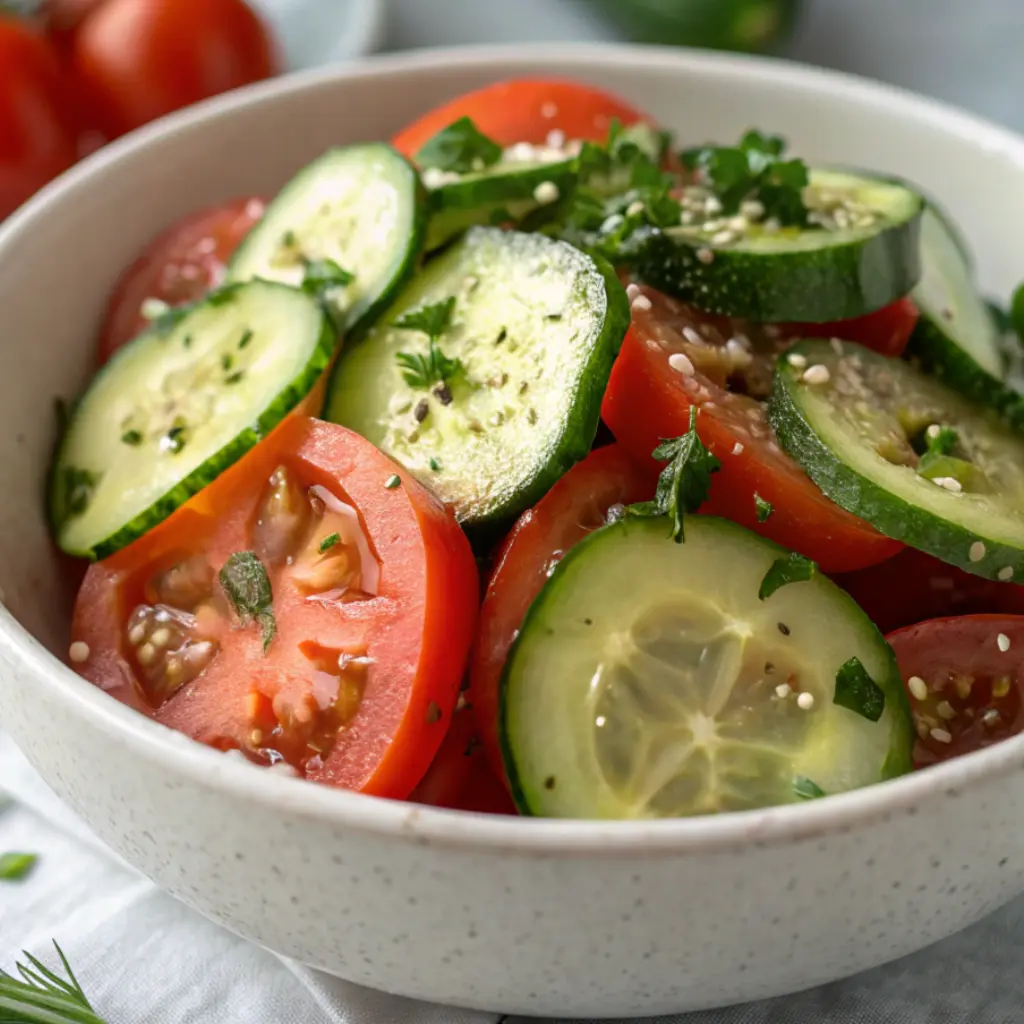
This chicken fits into so many moments of life. On quiet evenings, I serve it with fluffy rice, a simple tomato and cucumber salad, and warm flatbread to soak up every drop of sauce. For gatherings, I pair it with roasted potatoes, tzatziki, and a big platter of grilled vegetables. It’s also wonderful tucked into wraps or pitas for casual lunches, layered over greens for a hearty salad, or sliced thin and added to grain bowls. No matter how you serve it, it brings a sense of warmth and ease to the table.
Storage & Reheating Instructions
Leftovers are one of my favorite parts of this dish. Store the cooked chicken in an airtight container in the refrigerator for up to four days. When reheating, I prefer using a skillet over medium-low heat with a small splash of water or broth to keep it moist. The microwave works in a pinch, but go slowly and cover it to prevent drying. The flavors deepen overnight, and the chicken stays tender, making leftovers just as satisfying—sometimes even more so—than the first serving.
Recipe FAQs (Answered by Clara)
Can I make this ahead of time?
You sure can. I often prepare it in the morning, cover it tightly, and pop it in the fridge. It actually tastes better after resting, and knowing dinner is already handled brings such peace to a busy day.
What’s the best spiralizer to use?
If I’m adding this chicken to bowls with zucchini noodles, I usually use a simple handheld spiralizer. It’s easy to clean, takes up almost no space, and works beautifully. That said, a sharp knife and a little patience work just as well.
Can I serve it cold?
Absolutely. I’ve packed it into countless lunches and picnics. Served cold with fresh vegetables, olives, and a drizzle of olive oil, it becomes a refreshing, satisfying meal.
How do I make it less watery?
This usually comes down to two things: overcrowding the pan or not patting the chicken dry before marinating. Giving the chicken space to roast and allowing excess marinade to drip off before baking helps create that beautiful golden finish instead of excess liquid.
Conclusion
Greek chicken is more than just a recipe in my kitchen—it’s a reminder of slow mornings, family dinners, and the simple joy of cooking something nourishing with your own hands. I hope it brings the same warmth and comfort to your home that it has brought to mine. If you try it, I’d love to hear how you made it your own. Share your twists, your stories, and your kitchen victories. And most of all, enjoy every bite of the journey.
Nutrition Information (Per Serving, Approximate)
- Calories: 360
- Protein: 32g
- Fat: 22g
- Carbohydrates: 4g
- Fiber: 1g
- Sugar: 2g
Greek Chicken
Ingredients
- 1½ lbs boneless skinless chicken thighs or breasts
- 3 tablespoons olive oil
- 3 tablespoons fresh lemon juice
- 4 cloves garlic minced
- 1 teaspoon dried oregano
- ½ teaspoon dried thyme
- ½ teaspoon paprika
- ½ teaspoon salt
- ½ teaspoon black pepper
- ¼ teaspoon crushed red pepper flakes optional
- Fresh parsley or dill for garnish
- Lemon slices for serving (optional)
Instructions
- In a large bowl, whisk together olive oil, lemon juice, garlic, oregano, thyme, paprika, salt, pepper, and red pepper flakes.
- Add chicken and toss to coat evenly. Marinate for at least 30 minutes (up to 24 hours for best flavor).
- Heat a large skillet or grill pan over medium-high heat.
- Cook chicken for 5–7 minutes per side until golden and cooked through (internal temperature 165°F / 74°C).
- Remove from heat and let rest for 5 minutes.
- Garnish with fresh herbs and lemon slices before serving.
Notes
- Best cut: Chicken thighs stay extra juicy and flavorful.
- Grilling option: Perfect for outdoor grilling.
- Oven method: Bake at 400°F (205°C) for 22–25 minutes.
- Serving ideas: Serve with Greek salad, tzatziki, pita bread, or roasted vegetables.
- Storage: Refrigerate leftovers up to 4 days.