The first time I made teriyaki chicken at home, I was standing in a tiny kitchen with one cracked counter, a pan that heated unevenly, and a bottle of store-bought teriyaki sauce that promised way more than it delivered. I remember thinking it would be easier to just order takeout, but money was tight, and I wanted to learn how to cook the foods I loved instead of relying on restaurants. That night, I mixed soy sauce, brown sugar, garlic, and ginger in a chipped bowl, hoping for the best. What came out of that pan wasn’t perfect, but it was warm, comforting, and surprisingly close to what I’d been craving. Over the years, I kept tweaking, burning, thickening, thinning, and tasting until this version became one of my most reliable weeknight meals. Teriyaki chicken has since turned into a staple in my kitchen — the kind of recipe I reach for when I want something deeply satisfying but still simple enough for a busy evening. It’s the dish I make when I want to cook with intention but not exhaustion, and every time I do, it takes me back to that tiny kitchen where I first learned that cooking doesn’t need to be complicated to be meaningful.
Why You’ll Love This Recipe
- Simple, straightforward ingredients you probably already have
- Sweet, savory, and deeply comforting flavors
- Faster and fresher than takeout
- Budget-friendly and family-approved
- Perfect for leftovers and meal prep
Ingredients You’ll Need
Chicken thighs or breasts are the heart of this recipe, and while I started out using breasts because that’s what I grew up with, I’ve come to prefer thighs for their tenderness and ability to soak up flavor. Either works beautifully, so use what you love or what’s on sale. Soy sauce forms the salty backbone of the sauce, and I usually reach for low-sodium so I can control the seasoning. Brown sugar gives the sauce its signature sweetness and sticky glaze, though honey or maple syrup have saved me more than once when I ran out. Fresh garlic and ginger bring warmth and depth, and I always recommend using fresh if you can — it truly makes a difference. Rice vinegar or apple cider vinegar adds brightness and balances the sweetness. Cornstarch thickens the sauce into that glossy coating we all crave, while a bit of water helps loosen things up. A neutral oil like avocado or vegetable oil works best for cooking the chicken, and a sprinkle of sesame seeds and green onions at the end adds that little finishing touch that makes everything feel complete.
How to Make It (Step-by-Step Instructions)
Step 1: Prep the chicken and sauce
Start by cutting your chicken into bite-sized pieces. I aim for uniform chunks so everything cooks evenly, which is something I learned the hard way after serving half-raw, half-overcooked chicken one unfortunate night. In a small bowl, whisk together the soy sauce, brown sugar, garlic, ginger, vinegar, and water. This is your flavor base, and I always give it a quick taste here to adjust sweetness or saltiness before it hits the pan.
Step 2: Cook the chicken
Heat oil in a large skillet over medium-high heat. Once the pan is hot, add the chicken in a single layer and let it cook undisturbed for a few minutes. This is where patience pays off. Letting the chicken develop a golden crust adds depth of flavor and prevents it from sticking. Flip and cook until the pieces are fully cooked and lightly caramelized.
Step 3: Add the sauce
Lower the heat slightly and pour the sauce over the chicken. Stir gently, scraping up any browned bits from the bottom of the pan. Let everything simmer for a few minutes so the chicken absorbs the sauce and the flavors marry.
Step 4: Thicken and finish
Stir together cornstarch and water, then drizzle it into the pan while stirring. The sauce will thicken quickly, transforming into that glossy glaze we all love. Once the sauce coats the chicken beautifully, remove from heat and sprinkle with sesame seeds and green onions if you like.
Expert Tips for the Best Results
Over time, I’ve learned that the key to truly great teriyaki chicken is balance and patience. Don’t rush the browning step, because that caramelization adds flavor you can’t fake later. Always taste your sauce before adding it to the pan so you can adjust sweetness or saltiness to your liking. And most importantly, resist the urge to crank up the heat when thickening the sauce — gentle simmering keeps it silky instead of sticky or scorched.
Variations & Substitutions
Some of my favorite versions of this dish have come from nights when I was missing an ingredient or simply felt like experimenting. I’ve swapped brown sugar for honey, maple syrup, and even coconut sugar with wonderful results. Pineapple juice makes a lovely addition when I want a tropical twist, and a splash of orange juice brightens the sauce beautifully. On evenings when I want something lighter, I’ll toss in steamed broccoli, snap peas, or bell peppers, letting them soak up that glossy glaze right alongside the chicken.
Serving Suggestions
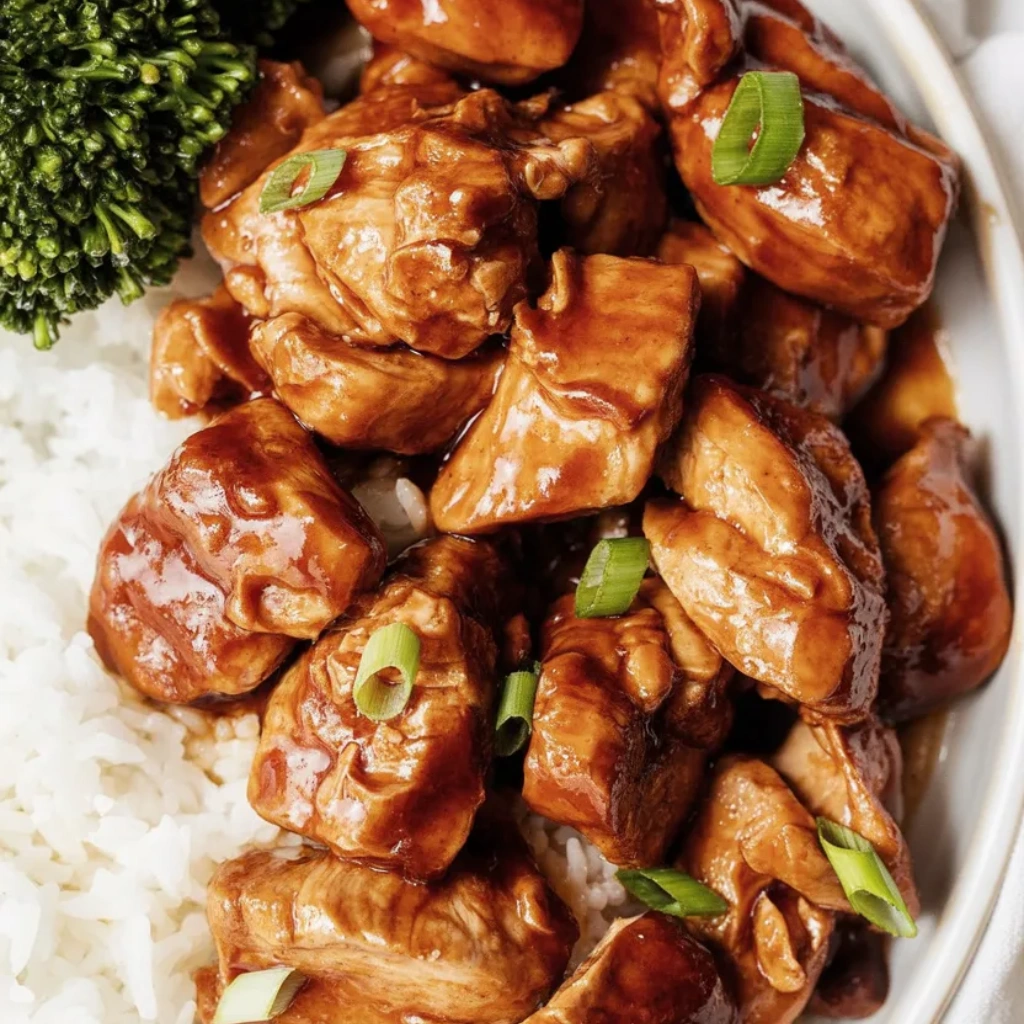
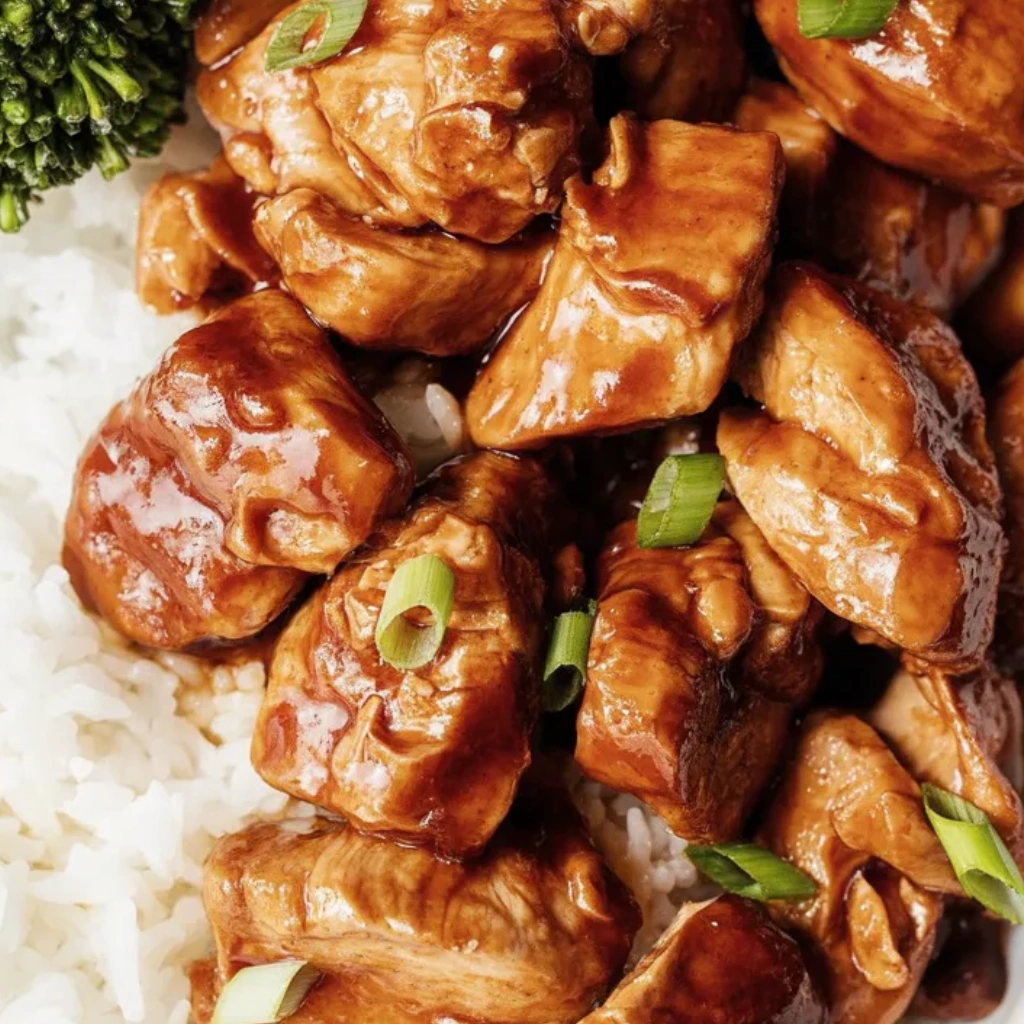
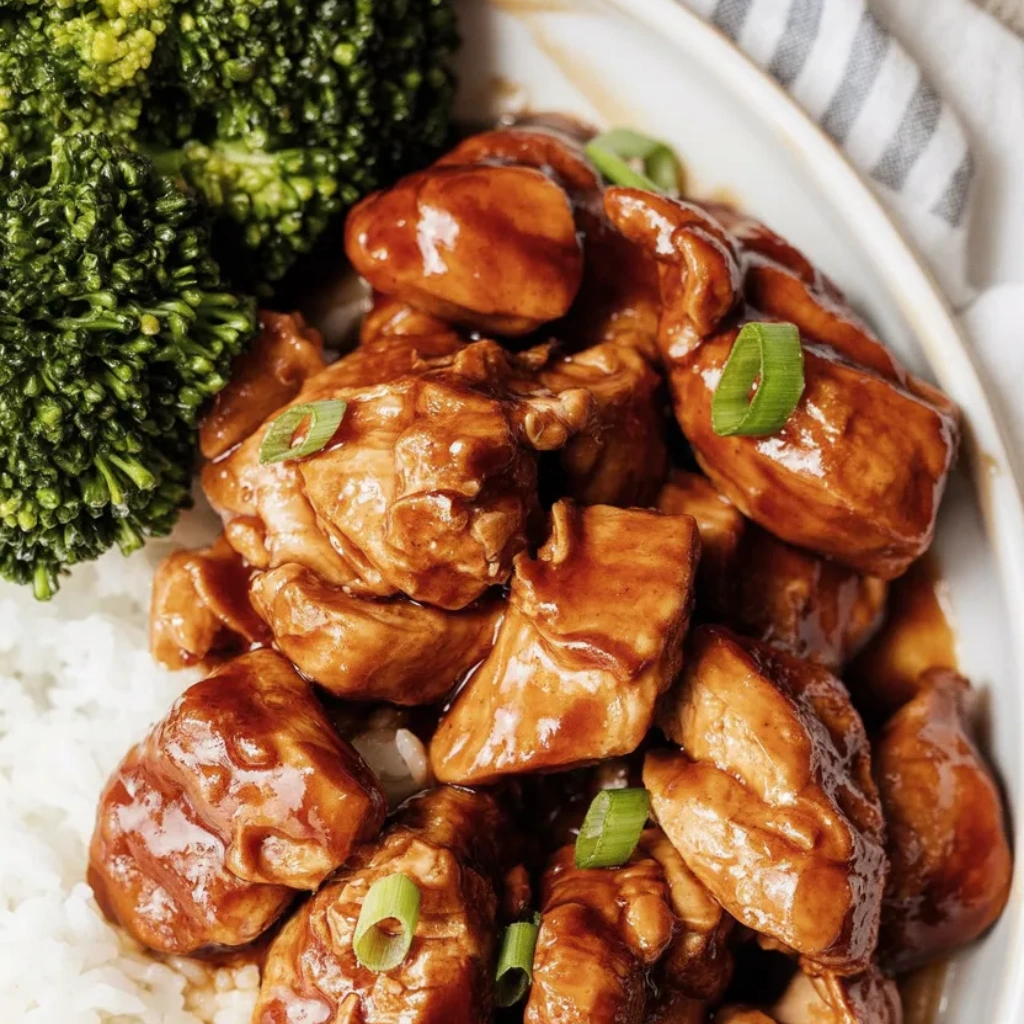
I almost always serve teriyaki chicken over fluffy jasmine rice, but it’s equally wonderful with brown rice, quinoa, or even cauliflower rice when I want something lighter. Steamed broccoli, sautéed green beans, or a crisp cucumber salad make perfect companions, adding freshness and balance. This is the kind of dish that feels just as right for a quiet weeknight dinner as it does for casual gatherings with friends.
Storage & Reheating Instructions
Leftovers store beautifully in an airtight container in the refrigerator for up to four days, and I often find the flavors deepen overnight. To reheat, I prefer using a skillet over medium heat with a small splash of water to loosen the sauce. The microwave works too, but stirring halfway through helps keep the chicken tender and evenly warmed.
Recipe FAQs (Answered by Clara)
Can I make this ahead of time?
You sure can. I often prepare it in the morning, cover it tightly, and pop it in the fridge. It actually tastes better after resting, as the flavors deepen and settle.
What’s the best spiralizer to use?
While this dish doesn’t require spiralizing, I often serve it over zucchini noodles, which I simply cut with a julienne peeler or a handheld spiralizer. Nothing fancy is needed — simple tools do the job just fine.
Can I serve it cold?
I personally prefer it warm, but I’ve enjoyed leftovers straight from the fridge more times than I can count. It makes a surprisingly good cold lunch, especially over a crunchy salad.
How do I make it less watery?
If your sauce seems thin, let it simmer a little longer or add a touch more cornstarch slurry. I’ve learned that patience here makes all the difference.
Conclusion
Teriyaki chicken is one of those recipes that reminds me why I fell in love with cooking in the first place. It’s simple, comforting, and endlessly adaptable, which makes it perfect for real life. I hope this dish finds its way into your kitchen and becomes a favorite in your home too. If you try it, I’d love to hear how it turned out or what little twists you added — because that’s where the real magic happens.
Teriyaki Chicken
Ingredients
For the Chicken:
- 1½ lbs boneless skinless chicken thighs or breasts
- 1 tablespoon vegetable oil
- Salt and black pepper to taste
For the Teriyaki Sauce:
- ½ cup soy sauce low sodium preferred
- ¼ cup brown sugar or honey
- 2 tablespoons rice vinegar
- 1 tablespoon sesame oil
- 2 cloves garlic minced
- 1 teaspoon fresh ginger grated
- 1 tablespoon cornstarch + 2 tablespoons water
Optional Garnishes:
- Sliced green onions
- Sesame seeds
Instructions
- Season chicken lightly with salt and pepper.
- Heat oil in a large skillet over medium heat.
- Cook chicken for 6–7 minutes per side until golden and cooked through. Remove and set aside.
- In the same pan, combine soy sauce, brown sugar, vinegar, sesame oil, garlic, and ginger. Bring to a simmer.
- Stir in cornstarch slurry and cook until thickened, about 2–3 minutes.
- Return chicken to pan and coat thoroughly in the sauce.
- Garnish with green onions and sesame seeds before serving.
Notes
- Best cut: Chicken thighs stay extra juicy and flavorful.
- Grilling option: Grill chicken and brush with sauce.
- Spice boost: Add chili garlic sauce or sriracha.
- Storage: Refrigerate leftovers up to 4 days.
- Serving ideas: Serve with steamed rice, broccoli, or stir-fried vegetables.