There was a time when I believed white sauce pasta belonged only in restaurants—the kind of dish you order when you want something indulgent but don’t quite trust yourself to make at home. I remember the first time I tried making it in my tiny kitchen, standing over a saucepan with too much butter and not nearly enough patience. The sauce turned lumpy, the pasta stuck together, and I nearly gave up halfway through. But something about that creamy, comforting flavor kept pulling me back.
Over the years, I’ve made this recipe more times than I can count—on quiet weeknights, for last-minute guests, and even on those days when I just needed something warm and familiar. And somewhere along the way, I stopped trying to make it “perfect” and started making it mine. This white sauce pasta isn’t fancy, but it’s reliable, deeply satisfying, and forgiving in a way that makes it feel like an old friend.
If you’ve ever felt intimidated by creamy sauces, I promise you—this one will meet you where you are.
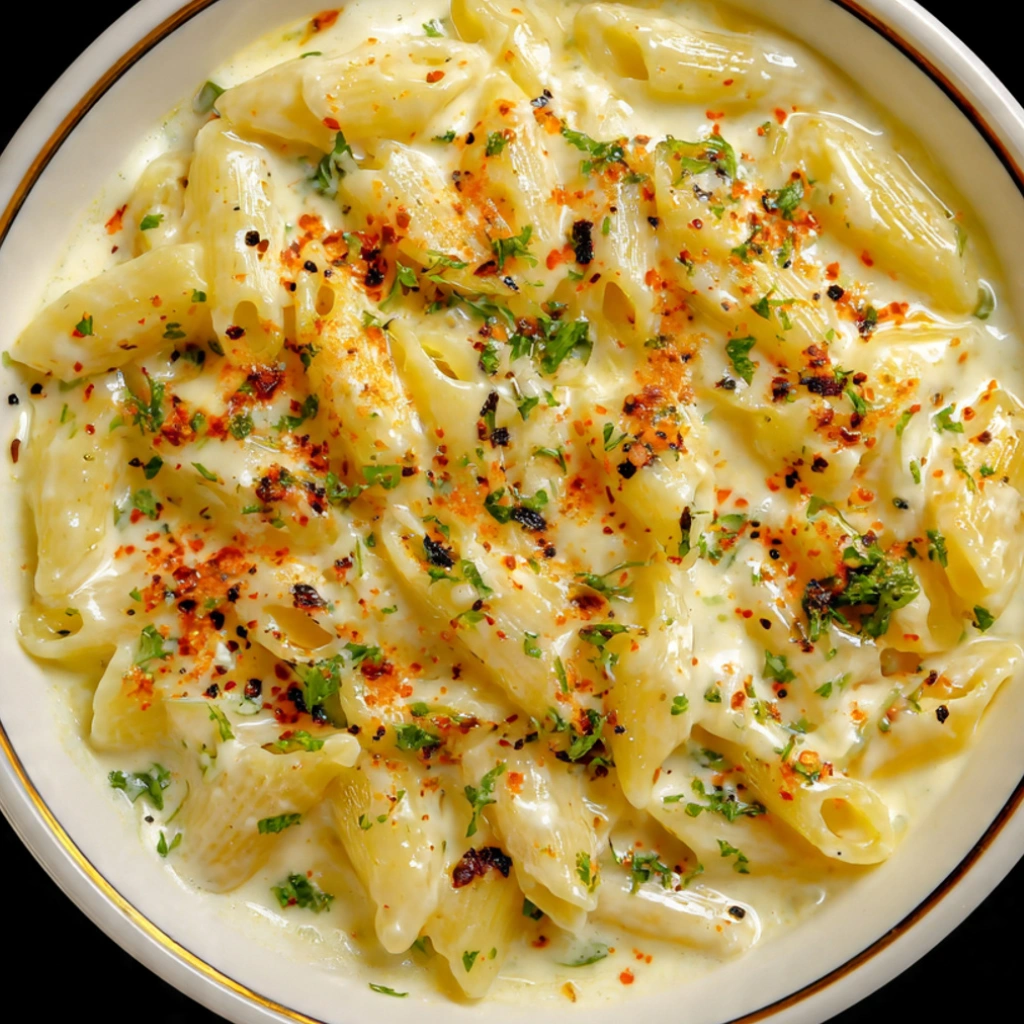
Why You’ll Love This Recipe
- Comes together in under 30 minutes with simple pantry ingredients
- Rich, creamy flavor without feeling overly heavy
- Easy to customize with vegetables, chicken, or shrimp
- Budget-friendly and perfect for weeknight dinners
- Comforting and satisfying, yet simple enough for beginners
Ingredients You’ll Need
- 250g pasta (penne, fusilli, or spaghetti all work well)
I usually reach for penne because it holds onto the sauce beautifully, but honestly, I’ve used whatever I had on hand—even broken spaghetti once—and it still turned out just fine. - 2 tablespoons butter
This is where the flavor begins. Don’t rush it, and don’t skimp. - 2 tablespoons all-purpose flour
This helps thicken the sauce. I’ve tried skipping it before—out of laziness—and ended up with something closer to milk soup than sauce. - 2 cups milk (warm)
Whole milk gives the creamiest result, but I’ve used low-fat in a pinch. Just know the sauce won’t be quite as rich. - 2–3 cloves garlic (minced)
I used to leave garlic out, thinking it wasn’t necessary. I was wrong. It adds depth you’ll miss if it’s not there. - 1/2 cup grated cheese (cheddar or mozzarella)
Use what you love. I lean toward cheddar for its sharpness, but mozzarella gives that lovely stretch. - Salt and black pepper to taste
Taste as you go—this is one of those dishes where seasoning makes all the difference. - 1/2 teaspoon dried oregano or Italian seasoning
Optional, but it adds a gentle herbal note that rounds everything out. - Optional add-ins: sautéed mushrooms, broccoli, chicken, or bell peppers
This is where you can make it your own. I often toss in whatever vegetables are lingering in the fridge.
How to Make It (Step-by-Step Instructions)
Step 1: Cook the Pasta
Bring a large pot of salted water to a boil. Add your pasta and cook according to the package instructions until al dente. I’ve learned the hard way not to overcook it—soft pasta just doesn’t hold up well in a creamy sauce. Before draining, save about half a cup of the pasta water. You might not need it, but it’s a lifesaver if your sauce gets too thick later.
Drain the pasta and set it aside.
Step 2: Start the Base of the Sauce
In a wide pan, melt the butter over medium heat. Once it’s melted and just starting to bubble, add the minced garlic. Let it cook for about 30 seconds—just until fragrant. Don’t walk away here; garlic can turn bitter quickly if it burns.
Step 3: Make the Roux
Add the flour to the butter and garlic mixture, stirring continuously. It will form a thick paste—this is your roux. Let it cook for about a minute or two. You’re not trying to brown it, just cook out that raw flour taste.
I remember rushing this step once, thinking it didn’t matter. It did. The sauce had a faint, chalky taste I couldn’t ignore.
Step 4: Add the Milk Slowly
Now comes the part that used to intimidate me the most. Slowly pour in the warm milk while whisking constantly. If you add it too quickly or stop stirring, you’ll likely get lumps—and trust me, they’re hard to fix later.
Keep stirring as the sauce thickens. It should become smooth and creamy after a few minutes.
Step 5: Season and Add Cheese
Add salt, black pepper, and oregano. Stir well, then add the grated cheese. Let it melt into the sauce, stirring gently. This is the moment when everything starts to come together—the sauce becomes glossy, rich, and irresistible.
If the sauce feels too thick, add a splash of that reserved pasta water. It loosens everything up without watering down the flavor.
Step 6: Combine Pasta and Sauce
Add the cooked pasta directly into the sauce. Toss gently to coat every piece. If you’re adding vegetables or cooked protein, this is the time to fold them in.
Let everything sit together on low heat for a minute or two so the pasta absorbs some of that creamy goodness.
Expert Tips for the Best Results
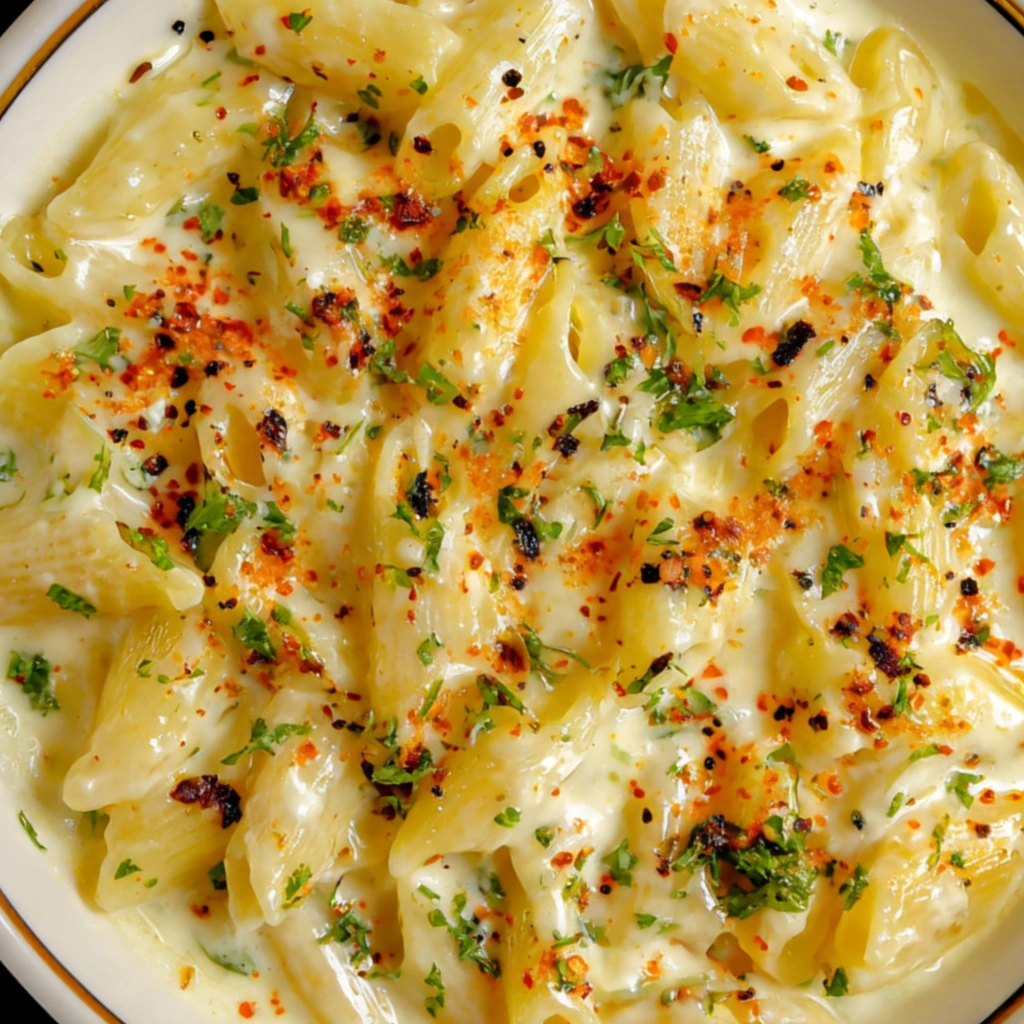
Over time, I’ve realized that white sauce pasta isn’t about rushing—it’s about paying attention to the little things. Warm your milk before adding it, because cold milk can shock the roux and lead to lumps. Stir more than you think you need to, especially when building the sauce, because that’s what keeps it silky. And don’t be afraid to adjust as you go—if it’s too thick, add a splash of pasta water; if it’s too bland, a pinch of salt can bring it to life. The biggest lesson I’ve learned is that this dish rewards patience, not perfection.
Variations & Substitutions
Some of my favorite versions of this pasta came from nights when I was missing half the ingredients. I’ve used olive oil instead of butter, added a handful of cream when I wanted it richer, and even swapped milk with a mix of milk and broth when that’s all I had left. You can toss in grilled chicken, shrimp, or roasted vegetables to make it heartier, or keep it simple and let the sauce shine. One time I added a pinch of chili flakes for a little heat, and now I do it almost every time. It’s a recipe that bends without breaking, which is exactly what I love about it.
Serving Suggestions
I like to serve this pasta straight from the pan while it’s still warm and creamy, usually with a simple side salad or a slice of toasted bread to soak up the sauce. It’s perfect for quiet dinners at home, but I’ve also served it when friends come over and need something comforting after a long day. Sometimes I sprinkle a little extra cheese or fresh herbs on top just before serving—it’s a small touch, but it makes the dish feel a bit more special.
Storage & Reheating Instructions
If you have leftovers, store them in an airtight container in the refrigerator for up to two days. The sauce will thicken as it sits—that’s completely normal. When reheating, add a splash of milk and warm it gently on the stove or in the microwave, stirring occasionally to bring back that creamy texture. I’ve found that rushing this step can make the sauce separate, so take it slow and it will come back beautifully.
Recipe FAQs (Answered by Clara)
Can I make this ahead of time?
You sure can. I often prepare it in the morning, cover it tightly, and pop it in the fridge. It actually tastes better after resting.
What’s the best spiralizer to use?
For this recipe, I usually don’t spiralize anything, but if I’m adding zucchini noodles, I keep it simple with a handheld spiralizer. Nothing fancy—just something easy to clean, because that’s half the battle in any kitchen.
Can I serve it cold?
You can, but I personally think this dish shines when it’s warm. The sauce tends to firm up when cold, so it loses that silky texture we worked for.
How do I make it less watery?
If your sauce feels too thin, let it simmer a bit longer to thicken, or add a small amount of cheese. And always remember—measure your milk carefully and don’t skip the flour, because that’s what gives the sauce its body.
Conclusion
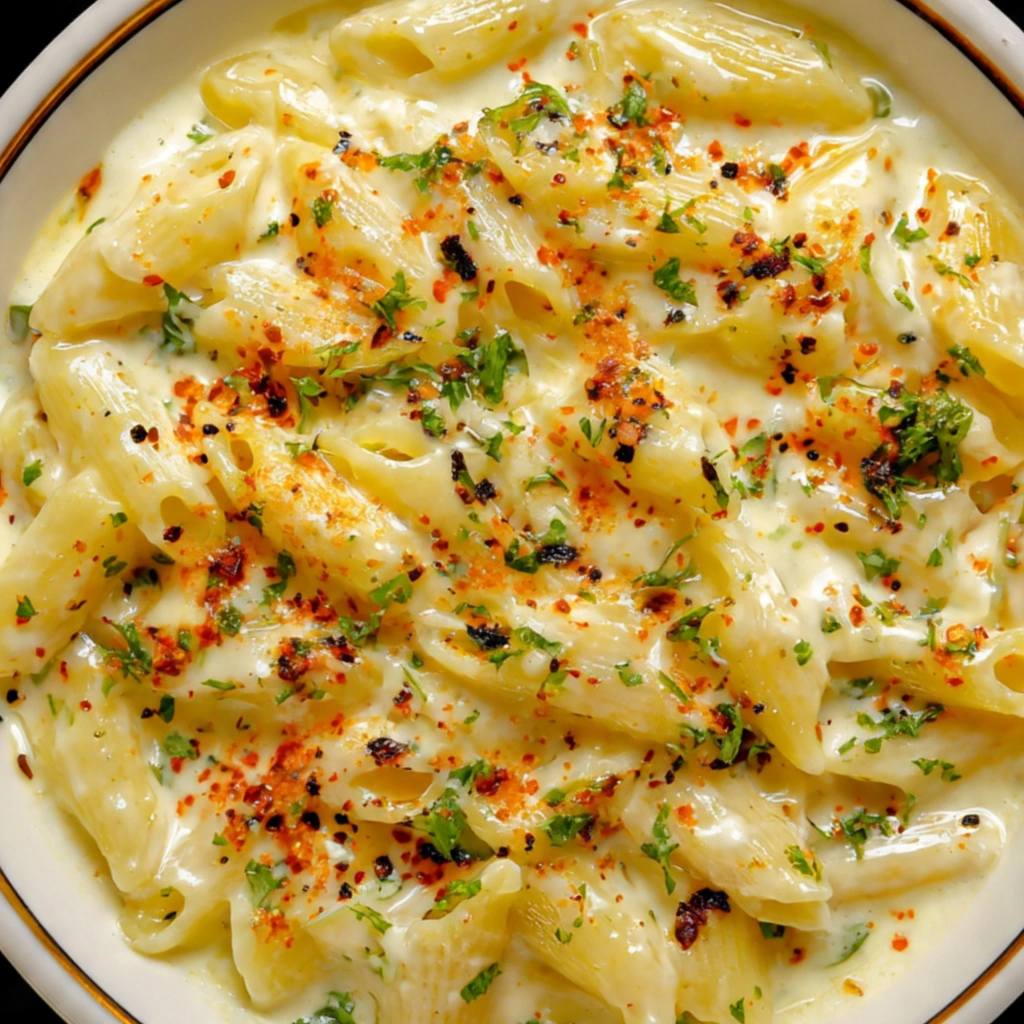
This creamy white sauce pasta has become one of those recipes I return to again and again—not because it’s impressive, but because it’s dependable. It’s the kind of dish that meets you where you are, whether you’re cooking your very first meal or just trying to get something comforting on the table after a long day.
If you give it a try, I’d love to hear how it turns out for you. Add your own twist, make it your own, and don’t worry if it’s not perfect the first time. That’s how all the best recipes begin.
Nutrition Information (Optional)
Per serving (approximate):
- Calories: 400–450
- Protein: 12g
- Carbohydrates: 45g
- Fat: 18g
- Calcium: 20% of daily value
White Sauce Pasta
Ingredients
- 8 oz 225 g pasta (penne, fettuccine, or spaghetti)
- 2 tablespoons butter
- 2 tablespoons all-purpose flour
- 2 cups milk warm
- 2 cloves garlic minced
- ½ teaspoon salt
- ½ teaspoon black pepper
- ½ teaspoon dried oregano or Italian seasoning
- ½ cup grated Parmesan cheese
- ½ cup shredded mozzarella cheese optional
- 1 cup mixed vegetables optional: broccoli, mushrooms, bell peppers
- Fresh parsley for garnish optional
Instructions
Cook the pasta:
- Bring a large pot of salted water to a boil.
- Cook pasta according to package instructions until al dente.
- Drain and set aside.
Make the white sauce (béchamel):
- In a pan, melt butter over medium heat.
- Add flour and whisk continuously for 1–2 minutes to form a roux.
- Gradually add warm milk, whisking to avoid lumps.
- Cook until the sauce thickens and becomes smooth.
Add flavor:
- Stir in garlic, salt, pepper, and oregano.
- Add Parmesan cheese and mix until melted.
Combine:
- Add cooked pasta and vegetables (if using) to the sauce.
- Toss well to coat everything evenly.
Finish and serve:
- Sprinkle mozzarella on top if desired and let it melt.
- Garnish with fresh parsley and serve warm.
Notes
- Creamier texture: Add a splash of heavy cream for extra richness.
- Protein option: Add grilled chicken, shrimp, or tofu.
- Avoid lumps: Always whisk continuously when adding milk.
- Storage: Refrigerate leftovers for up to 3 days; reheat with a splash of milk.