The first time I tried to make my own BBQ sauce, I remember standing in my kitchen, staring at a saucepan full of something that smelled… confusing. It wasn’t bad, exactly, but it didn’t taste like the rich, smoky, slightly sweet sauce I had in my mind. It tasted flat. I had followed a recipe to the letter, but it felt like I had missed something no ingredient list could explain.
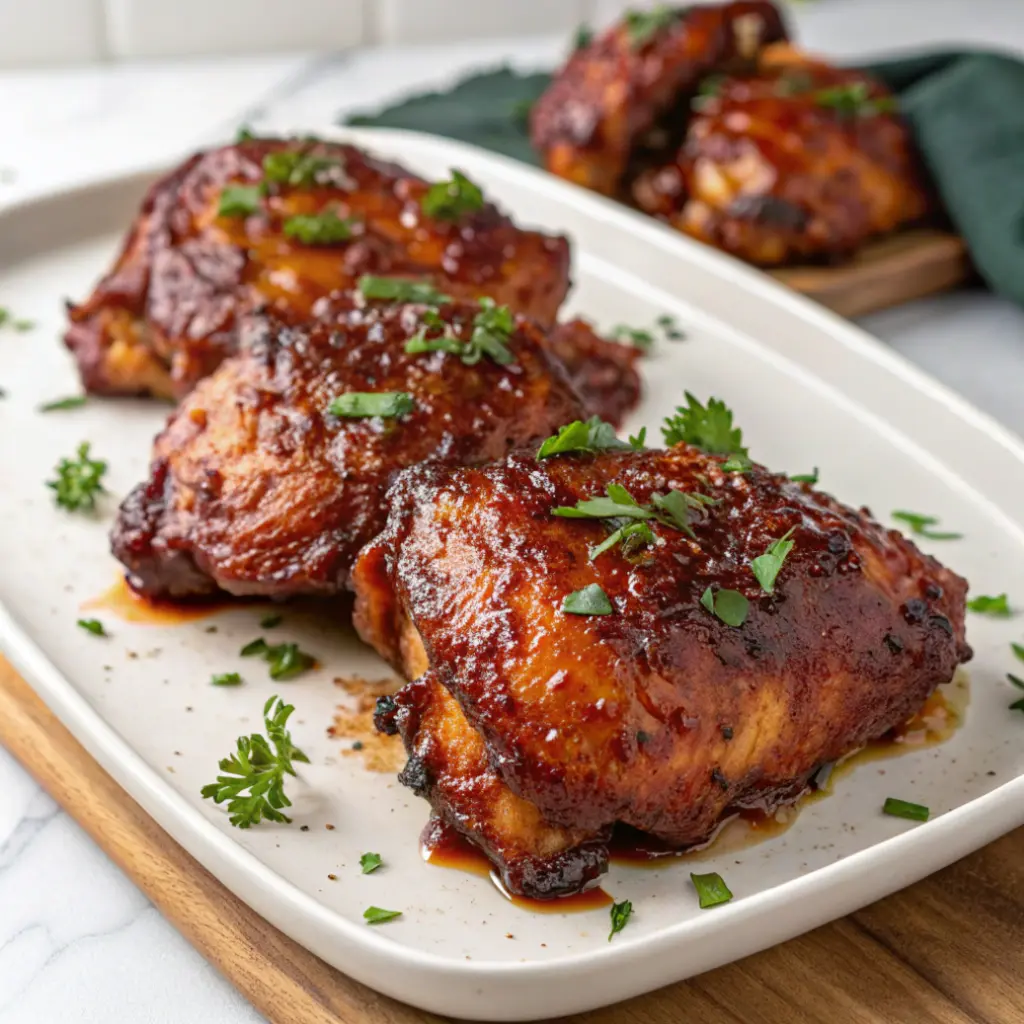
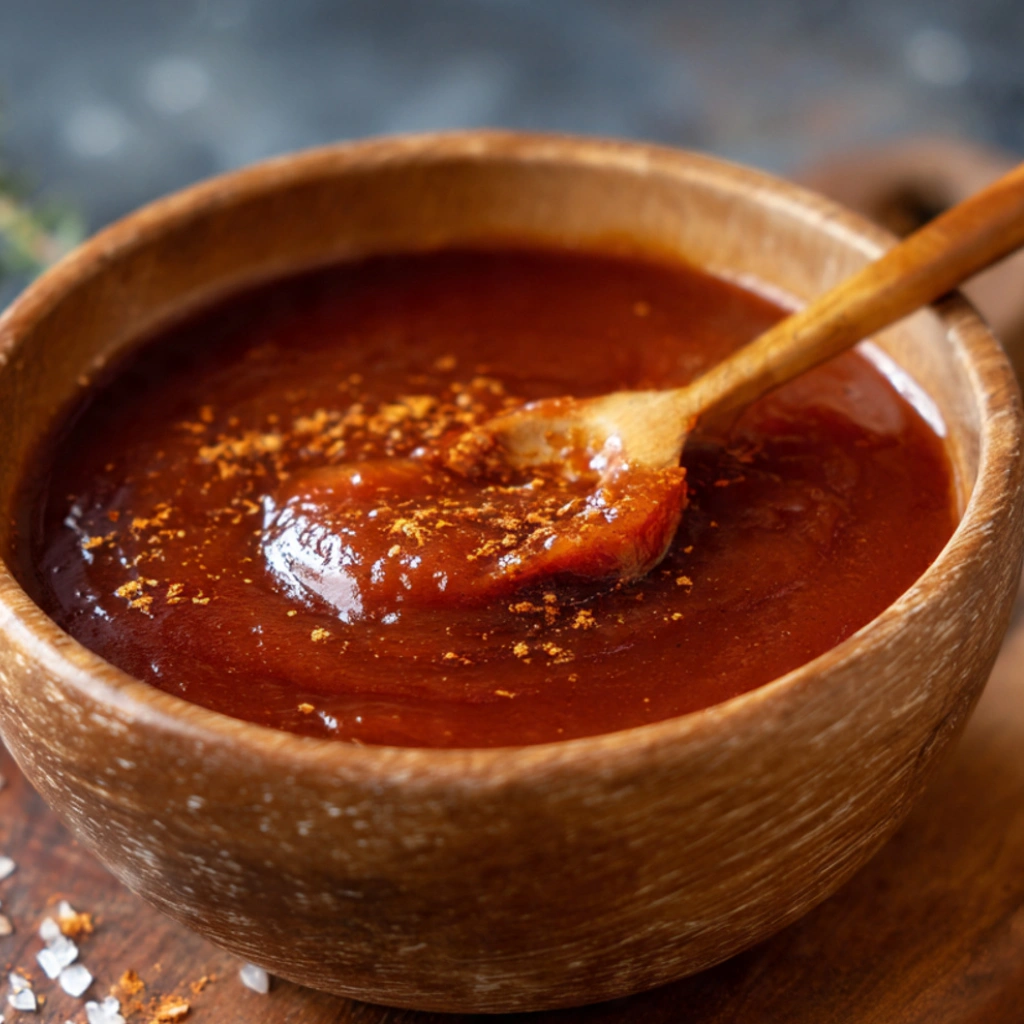
It took me a few tries—and a few honest kitchen failures—to understand that BBQ sauce isn’t just about measurements. It’s about balance. It’s about tasting as you go, trusting your instincts, and letting the sauce slowly become what it wants to be. Now, years later, this is the BBQ sauce I make without thinking twice. It’s the one I brush over chicken thighs on a summer evening, the one I stir into pulled beef on busy weeknights, and the one I always keep a jar of tucked in the fridge.
If you’ve never made BBQ sauce from scratch before, I want you to know this: it’s easier than you think, and once you start, it’s very hard to go back to store-bought.
Why You’ll Love This Recipe
- Made with simple pantry ingredients you likely already have
- Perfectly balanced—sweet, tangy, smoky, and just a little bold
- Comes together in under 30 minutes
- Easy to customize based on your taste
- Keeps well in the fridge and tastes even better the next day
- Works for chicken, beef, ribs, sandwiches, and more
Ingredients You’ll Need
This is one of those recipes where the ingredients are simple, but the magic is in how they come together.
- Ketchup (1 cup)
This is your base. I’ve tried starting from scratch with tomato paste, but honestly, ketchup gives you a head start with sweetness and acidity. Use one you like the taste of. - Brown sugar (1/4 cup)
Adds depth and that classic BBQ sweetness. I usually go for dark brown sugar because it brings a richer molasses note, but light works just fine. - Apple cider vinegar (2 tablespoons)
This is what wakes everything up. Don’t skip it. If you don’t have it, I’ve used white vinegar in a pinch, but it’s a bit sharper. - Worcestershire sauce (1 tablespoon)
This is one of those quiet ingredients that makes a big difference. It adds a savory depth you can’t quite pinpoint, but you’d miss it if it wasn’t there. - Yellow mustard (1 tablespoon)
Just enough to add tang and complexity without making the sauce taste like mustard. - Smoked paprika (1 teaspoon)
This is where that subtle smokiness comes from. If you only have regular paprika, it’ll still work, but smoked really brings it to life. - Garlic powder (1 teaspoon)
I’ve tried fresh garlic here, but powder blends more smoothly into the sauce. - Onion powder (1/2 teaspoon)
Adds background flavor without texture. - Salt (1/2 teaspoon, or to taste)
Always taste before adding more. - Black pepper (1/2 teaspoon)
Just a little warmth. - Optional: a dash of hot sauce or cayenne
If you like a bit of heat, this is where you can play.
How to Make It (Step-by-Step Instructions)
This is the kind of recipe where you don’t need fancy tools—just a saucepan, a spoon, and a little patience.
Step 1: Combine the Base Ingredients
In a medium saucepan, add the ketchup, brown sugar, and apple cider vinegar. Stir them together over medium heat until the sugar begins to dissolve.
I used to rush this part, but letting the sugar fully melt into the ketchup makes a smoother sauce later. Give it a minute or two—it’s worth it.
Step 2: Add the Flavor Builders
Now stir in the Worcestershire sauce, mustard, smoked paprika, garlic powder, onion powder, salt, and black pepper.
At this stage, the sauce will smell strong and a little sharp. That’s completely normal. I remember worrying the first time I made it, thinking I’d added too much vinegar. But as it cooks, everything mellows and blends together.
Step 3: Let It Simmer
Lower the heat and let the sauce simmer gently for about 15–20 minutes, stirring occasionally.
This is where the transformation happens. The sauce thickens slightly, the flavors deepen, and that sharp edge softens into something rich and balanced. If it starts to splatter, just lower the heat a bit more.
Step 4: Taste and Adjust
This is my favorite part—and the most important.
Dip a spoon in, let it cool for a second, and taste. Does it need a little more sweetness? Add a touch more sugar. Too sweet? A splash of vinegar will fix it. Want more smokiness? A pinch more smoked paprika.
Trust your taste here. No one knows better than you what you like.
Step 5: Cool and Store
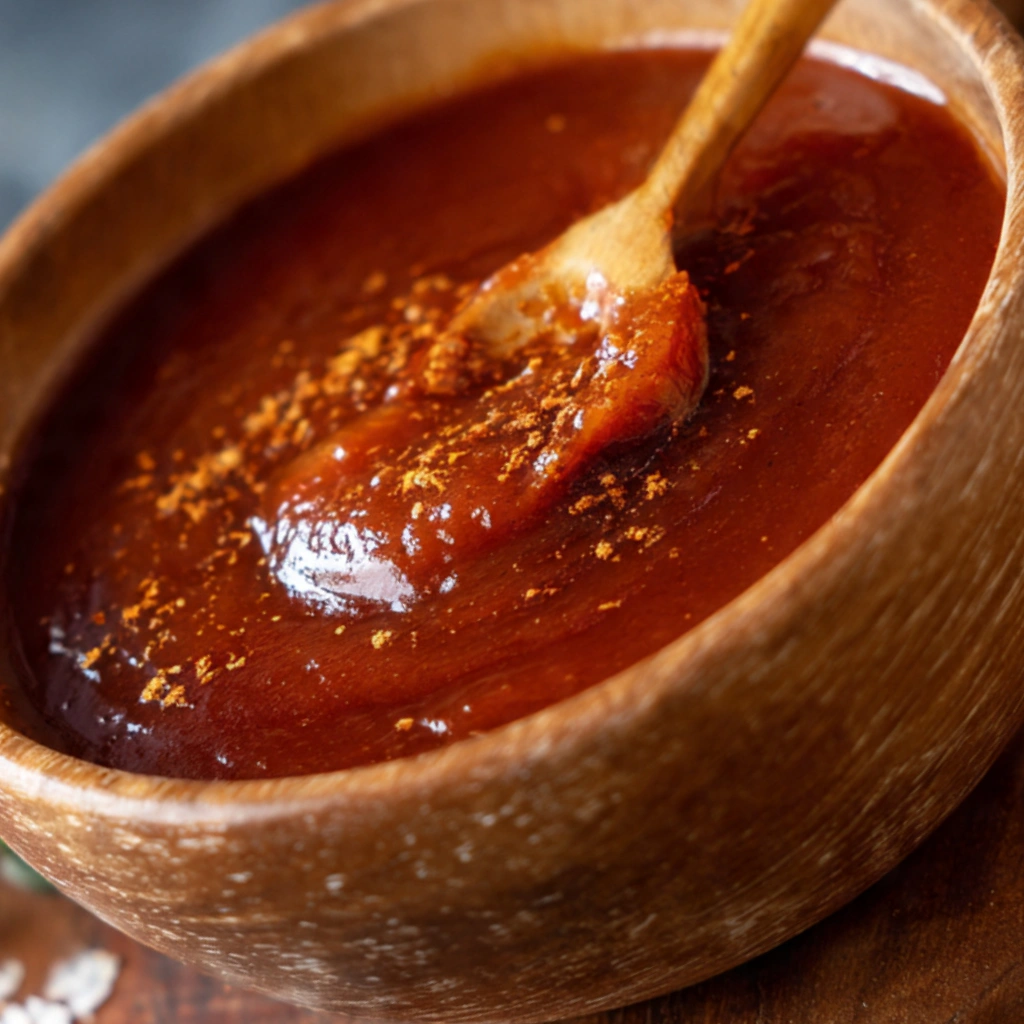
Once you’re happy with the flavor, remove the sauce from heat and let it cool. It will thicken a bit more as it sits.
Pour it into a jar or airtight container, and try not to eat it straight from the spoon—though I won’t judge if you do.
Expert Tips for the Best Results
Over time, I’ve learned that the biggest difference between an okay BBQ sauce and one you’ll crave is patience and tasting along the way. Don’t rush the simmering process, because that’s where the flavors truly come together and lose that “just mixed” taste. Keep the heat low enough that it gently bubbles instead of boiling aggressively, and stir often enough to prevent sticking. And most importantly, taste it more than once—what seems too tangy at the beginning often settles into perfect balance by the end, and adjusting gradually is always better than trying to fix everything at once.
Variations & Substitutions
I’ve made this sauce so many different ways depending on what I had in the kitchen, and that’s part of why I love it so much. There was one evening I realized I was out of brown sugar and used honey instead, and it gave the sauce a softer, more floral sweetness that worked beautifully on chicken. I’ve also swapped apple cider vinegar for balsamic when I wanted something deeper and slightly richer, though it does change the character a bit. If you enjoy a smokier flavor, a tiny drop of liquid smoke can go a long way, but be careful—it’s strong. And for those nights when you want a bit of heat, adding cayenne or even a spoonful of your favorite hot sauce can turn this into something bold and lively.
Serving Suggestions
This BBQ sauce has found its way into so many meals in my kitchen that it’s hard to pick just one way to use it. I love brushing it over grilled chicken thighs, especially since they stay juicy and soak up the flavor so well, but it’s just as good stirred into shredded beef or drizzled over a simple burger. Sometimes, I’ll even use it as a dipping sauce for roasted potatoes or fries when I want something a little different. It’s the kind of sauce that feels at home at a weekend cookout, but also just as welcome on a quiet weeknight dinner.
Storage & Reheating Instructions
I usually store this sauce in a glass jar with a tight lid and keep it in the fridge, where it holds up beautifully for about a week. In fact, I think it tastes even better the next day after the flavors have had time to settle. If it thickens too much in the fridge, I’ll just stir in a teaspoon or two of warm water before using it again. There’s no real need to reheat it unless you prefer it warm, but if you do, just gently warm it on the stove over low heat—nothing too aggressive, or you risk changing the texture.
Recipe FAQs (Answered by Clara)
Can I make this ahead of time?
You sure can. I often prepare it in the morning, cover it tightly, and pop it in the fridge. It actually tastes better after resting.
What’s the best spiralizer to use?
For this recipe, you won’t need one at all. That said, in my kitchen I usually keep things simple and stick to tools that don’t take up too much space—less clutter, more cooking.
Can I serve it cold?
You can, and I often do. It’s especially good as a dipping sauce straight from the fridge, though it becomes a little thicker and richer when chilled.
How do I make it less watery?
If your sauce feels too thin, it likely just needs more time to simmer. Let it cook a bit longer over low heat, stirring occasionally, and it should naturally thicken without needing anything extra.
Conclusion
If there’s one thing I hope you take from this recipe, it’s that BBQ sauce doesn’t have to be complicated to be good. It just needs a little time, a little attention, and your own personal touch. This is the kind of recipe that grows with you—the more you make it, the more it becomes yours.
If you give it a try, I’d love to hear how it turns out in your kitchen. Did you make it sweeter, smokier, or a little spicy? However you make it, I hope it becomes one of those quiet staples you reach for again and again, just like it has in mine.
Nutrition Information (Optional)
Per serving (approximately 2 tablespoons):
- Calories: 70
- Carbohydrates: 17g
- Sugar: 15g
- Fat: 0g
- Protein: 0g
- Sodium: 300mg
BBQ Sauce
Ingredients
- 1 cup ketchup
- ¼ cup brown sugar
- 2 tablespoons apple cider vinegar
- 1 tablespoon Worcestershire sauce
- 1 tablespoon yellow mustard
- 1 teaspoon smoked paprika
- ½ teaspoon garlic powder
- ½ teaspoon onion powder
- ½ teaspoon salt
- ¼ teaspoon black pepper
- ½ teaspoon chili powder optional, for heat
Instructions
Combine ingredients:
- In a saucepan, add ketchup, brown sugar, apple cider vinegar, Worcestershire sauce, and mustard.
Add spices:
- Stir in smoked paprika, garlic powder, onion powder, salt, pepper, and chili powder (if using).
Simmer:
- Place over medium heat and bring to a gentle simmer.
- Cook for 15–20 minutes, stirring occasionally, until thickened.
Taste and adjust:
- Adjust sweetness, tanginess, or spice to your preference.
Cool and store:
- Let the sauce cool completely before transferring to a jar or container.
Notes
- Consistency: Simmer longer for a thicker sauce or add a splash of water to thin it out.
- Flavor variations: Add honey for sweetness, liquid smoke for a smoky flavor, or hot sauce for extra heat.
- Storage: Store in an airtight container in the refrigerator for up to 2 weeks.
- Uses: Perfect for ribs, chicken, burgers, sandwiches, and dipping.