I didn’t fall in love with chia pudding the first time I made it. In fact, I nearly wrote it off altogether. My first few attempts were watery, oddly clumpy, and tasted like something I made only because the internet told me I should. It wasn’t comforting. It wasn’t satisfying. And it certainly wasn’t something I looked forward to eating. But I kept coming back to it, mostly because I wanted a breakfast I could make ahead that didn’t feel heavy first thing in the morning. Somewhere along the way—after a few quiet mornings, a lot of trial and error, and one especially patient spoon—I figured out what chia pudding actually needs: time, balance, and a little kindness in the process. Once I stopped rushing it and started treating it like a real recipe instead of a shortcut, it finally became something I genuinely crave. This is the version I make now, the one that lives in my fridge most weeks, the one I’d happily hand to a friend who says they “don’t like chia pudding.”
Why You’ll Love This Recipe
- It’s genuinely easy once you understand the ratios
- Made with simple, affordable pantry ingredients
- Perfect for make-ahead breakfasts or quiet afternoon snacks
- Naturally adaptable to whatever you have on hand
- Creamy, not watery, with a spoonable texture that actually satisfies
Ingredients You’ll Need
Chia seeds
These tiny seeds are the whole point of the recipe, and freshness matters more than people realize. Old chia seeds don’t absorb liquid as well and can taste faintly bitter. I always store mine in a sealed jar away from heat, and if they smell dusty or stale, I replace them. Black or white chia seeds both work exactly the same here.
Milk of choice
I’ve made this with dairy milk, almond milk, oat milk, coconut milk, and even half-and-half in a pinch. Each one changes the final texture slightly. Almond milk keeps things light, oat milk makes it naturally sweeter, and coconut milk gives you the richest, almost dessert-like result. Use what you like and what you’ll actually drink the rest of.
Sweetener
Maple syrup is my usual choice because it dissolves easily and adds warmth without overpowering. Honey works too, though it needs a bit more stirring. If I’m out of both, a spoonful of brown sugar stirred into warm milk before adding the chia seeds has saved more than one batch.
Vanilla extract
This isn’t optional in my kitchen. Vanilla rounds out the flavor and keeps the pudding from tasting flat. I’ve forgotten it before, and I always notice.
Pinch of salt
Just a tiny pinch. It doesn’t make the pudding salty; it makes it taste more like itself.
How to Make It (Step-by-Step Instructions)
Step 1: Mix the liquid base
In a medium bowl or a large jar, combine your milk, sweetener, vanilla, and salt. I always whisk this first before adding the chia seeds. I learned the hard way that if you add sweetener after the seeds go in, it’s harder to distribute evenly, and you end up with bites that are too sweet and others that taste unfinished.
Step 2: Add the chia seeds and stir well
Sprinkle the chia seeds over the surface rather than dumping them in all at once. Then stir slowly but thoroughly. I take my time here, scraping the sides and bottom, because this is where clumps are born. If the seeds stick together now, they’ll stay that way later.
Step 3: Rest, then stir again
Let the mixture sit for about five minutes, then stir again. This second stir is the step most people skip, and it’s the reason their pudding turns out uneven. By now, the seeds have started to swell, and this stir redistributes them so the texture stays consistent.
Step 4: Cover and chill
Cover the bowl or seal the jar and place it in the refrigerator. Four hours is the minimum, but overnight is ideal. Chia pudding rewards patience. The longer it rests, the creamier it becomes.
Step 5: Final check before serving
Before serving, give it one last stir. If it’s thicker than you like, add a splash of milk. If it’s thinner than expected, let it sit another 30 minutes. Chia pudding is forgiving if you give it time.
Expert Tips for the Best Results
After making chia pudding more times than I can count, I’ve learned that texture comes down to ratio and restraint. Too many seeds make it gummy, too few make it soupy, and stirring well—twice—is non-negotiable. I also stopped chasing perfection straight out of the fridge; chia pudding continues to settle as it sits, and a batch that seems loose at first often thickens beautifully by the next morning. Most importantly, I stopped treating it like a trend food and started treating it like something I’m actually going to eat. When you slow down and pay attention, it becomes dependable and comforting rather than fussy.
Variations & Substitutions
Some of my favorite versions of chia pudding were born out of missing ingredients or late-night improvising. I’ve added cocoa powder and a little extra sweetener when I wanted something dessert-like, mashed ripe banana straight into the milk when I was out of syrup, and stirred in peanut butter on a morning when toast felt boring. You can blend the milk with berries before adding the seeds for a smooth, fruity base, or layer the finished pudding with yogurt for extra creaminess. Chia pudding doesn’t mind being adapted—it actually seems to thrive on it.
Serving Suggestions
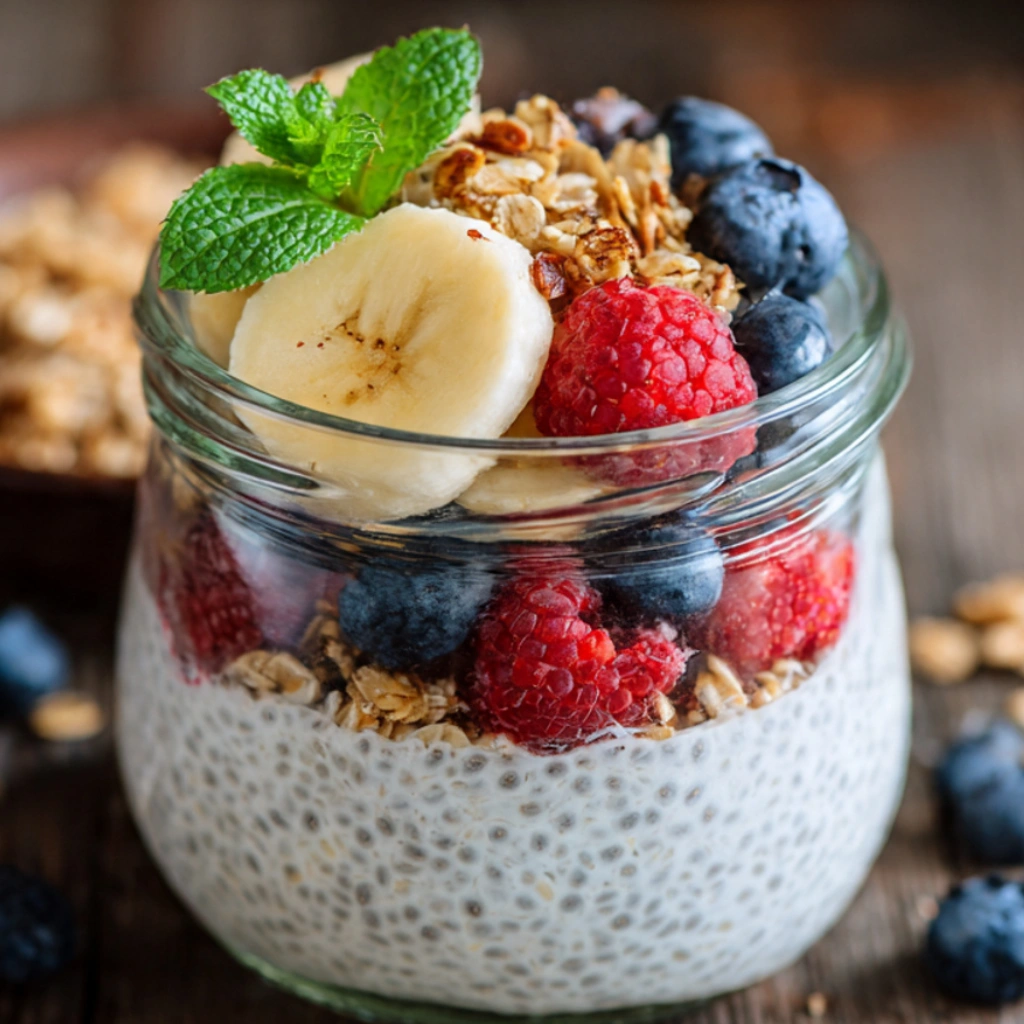
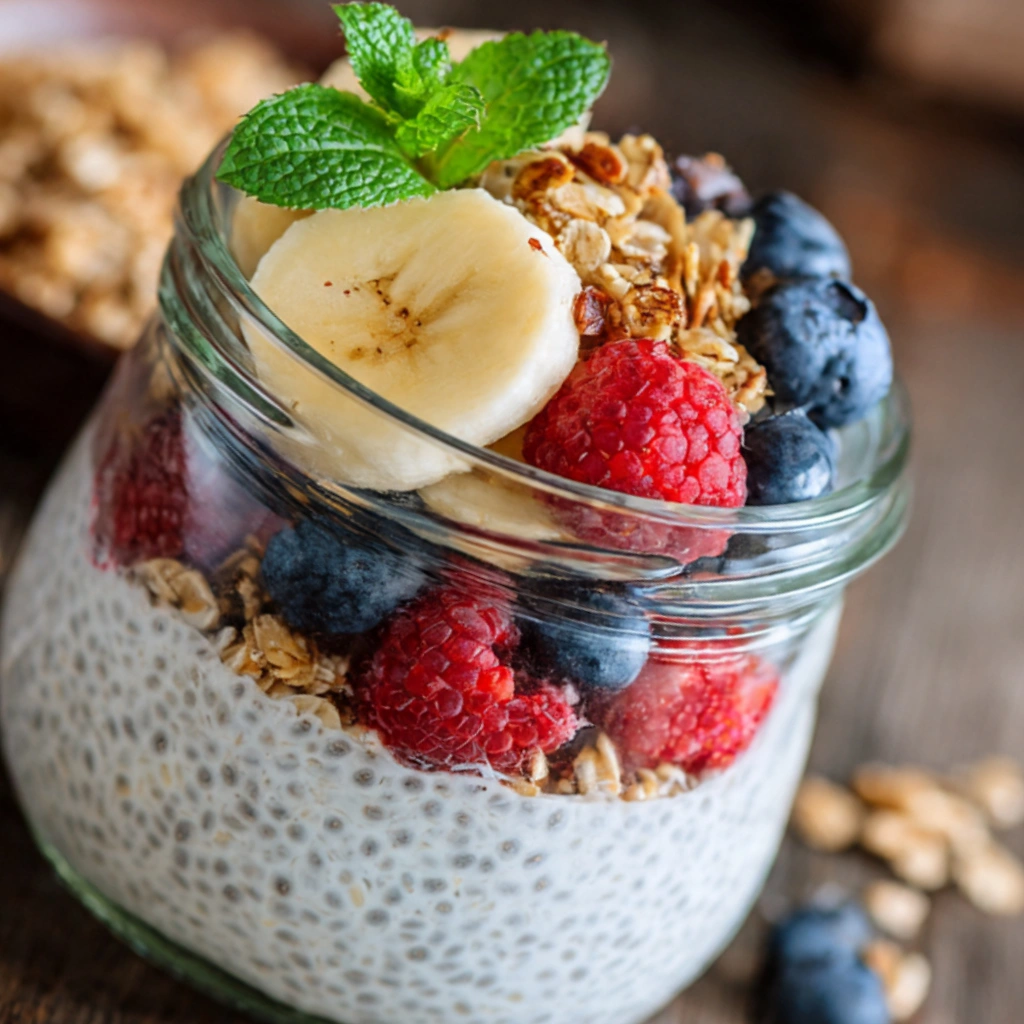
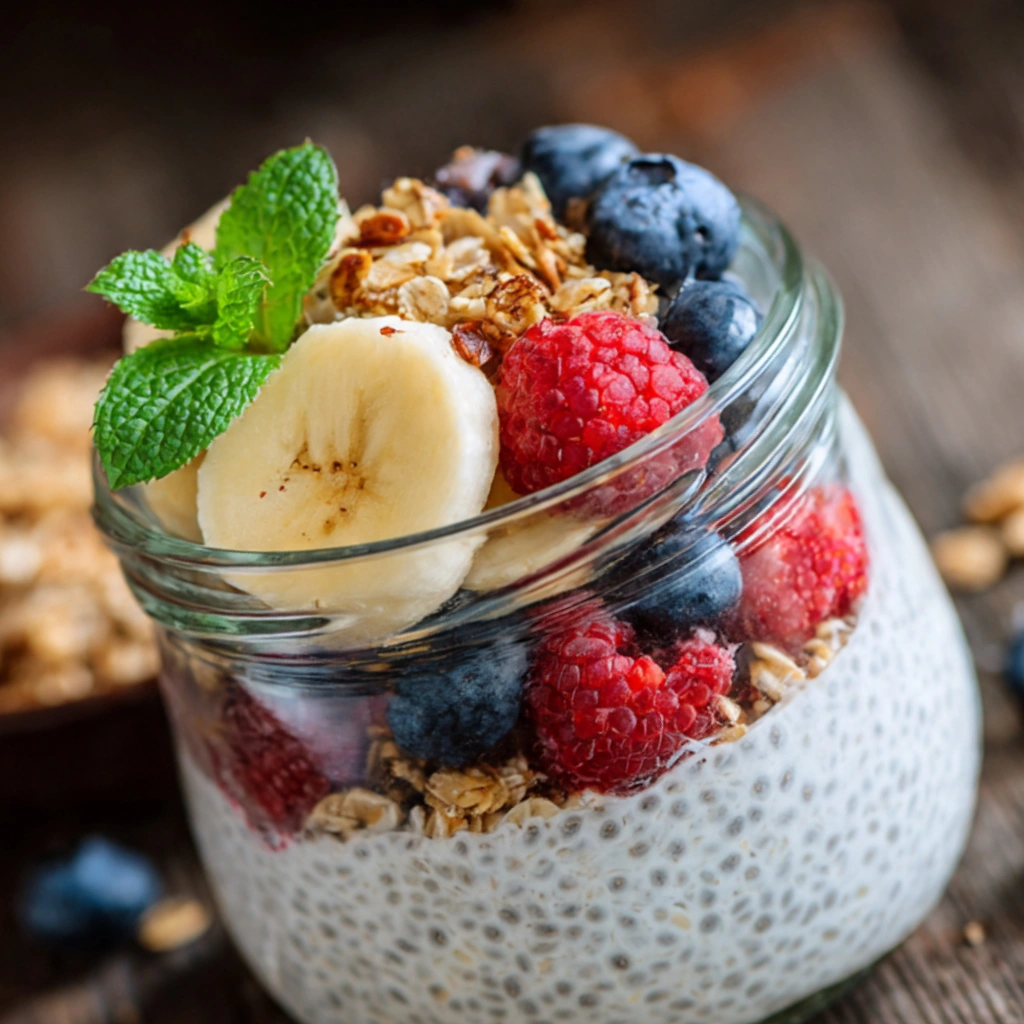
I usually eat chia pudding cold, straight from the fridge, topped with whatever fruit needs using up. Fresh berries, sliced peaches, or even a spoonful of jam stirred through all work beautifully. On slower mornings, I add granola for crunch or a drizzle of nut butter for staying power. It’s also a lovely afternoon snack when you want something gentle but filling, especially with a cup of coffee or tea.
Storage & Reheating Instructions
Chia pudding keeps well in the fridge for up to four days, which is one of the reasons I make it so often. I store it in individual jars so it’s easy to grab. The texture will thicken slightly over time, so I usually stir in a splash of milk before eating. I don’t reheat chia pudding—it’s meant to be enjoyed cold—but letting it sit at room temperature for a few minutes softens the texture if it’s very firm.
Recipe FAQs (Answered by Clara)
Can I make this ahead of time?
You sure can. I often prepare it the night before, cover it tightly, and let it rest overnight. It actually tastes better after a long chill, and mornings feel easier knowing breakfast is already waiting.
What’s the best spiralizer to use?
This recipe doesn’t need a spiralizer at all. I usually keep things simple and slice or chop toppings by hand. Less equipment means fewer dishes, and I’ve learned to appreciate that.
Can I serve it cold?
That’s how I eat it every time. Cold chia pudding has the best texture, and the flavors are cleaner and more balanced once it’s fully chilled.
How do I make it less watery?
Most watery chia pudding comes from not using enough seeds or not giving it enough time. I also recommend that second stir after five minutes—it makes a bigger difference than you’d expect.
Conclusion
Chia pudding isn’t flashy, and it doesn’t need to be. It’s quiet, reliable, and deeply customizable, which is exactly why it’s earned a permanent place in my kitchen. If you’ve tried it before and felt underwhelmed, I hope this version gives you a second chance worth taking. Make it your own, adjust it to your taste, and don’t rush it. And if you do try it, I’d love to hear how you served it or what you added—those little personal touches are where the best recipes live.
Nutrition Information (Per Serving, Approximate)
Calories: 180
Protein: 6g
Carbohydrates: 18g
Fiber: 9g
Fat: 9g
Nutrition values will vary depending on milk and sweetener used.
Chia Pudding
Ingredients
- ¼ cup chia seeds
- 1 cup milk almond, coconut, or regular
- 1 –2 tablespoons honey or maple syrup
- 1 teaspoon vanilla extract
Optional Toppings:
- Fresh fruits berries, banana, mango
- Granola
- Nuts or seeds
- Coconut flakes
Instructions
Mix ingredients:
- In a bowl or jar, combine chia seeds, milk, sweetener, and vanilla extract.
- Stir well to prevent clumping.
Let it sit:
- Let the mixture sit for 5 minutes, then stir again.
Chill:
- Cover and refrigerate for at least 2 hours or overnight until thick and pudding-like.
Serve:
- Stir before serving and add your favorite toppings.
Notes
- Best texture: Stir twice during the first 10 minutes to avoid clumps.
- Thicker pudding: Add more chia seeds; for thinner, add more milk.
- Flavor ideas: Try cocoa powder, peanut butter, or fruit puree.
- Storage: Keep refrigerated for up to 5 days—perfect for meal prep.