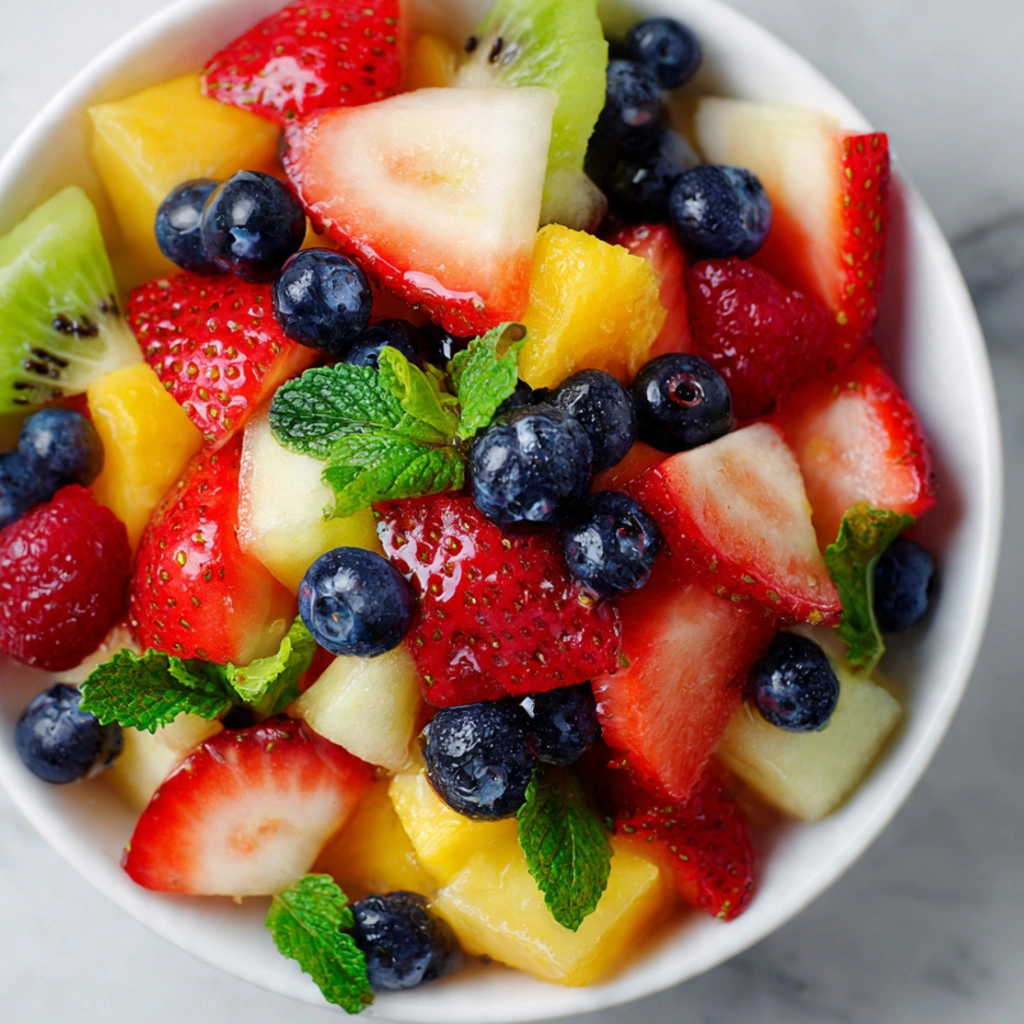
I’ll be honest with you—fruit salad used to be one of those things I thought didn’t need a “recipe.” I’d just chop up whatever fruit I had, toss it into a bowl, and call it done. And every single time, something felt off. The apples would brown too quickly, the strawberries would get mushy, and there’d be that strange watery juice pooling at the bottom like it had given up halfway through. It wasn’t until one particularly hot afternoon, when I was trying to pull together something fresh for a last-minute family visit, that I slowed down and paid attention. I started thinking about balance—sweetness, texture, acidity—and how each fruit behaves once it’s cut. That day changed how I make fruit salad forever. Now, it’s not just a mix of fruit. It’s something I actually feel proud to set on the table.
Why You’ll Love This Recipe
- It’s naturally sweet and refreshing without needing added sugar
- Comes together quickly with simple, accessible ingredients
- Perfect for gatherings, picnics, or a light everyday snack
- Easy to customize based on what’s in season
- Stays fresher longer with a simple trick I’ll show you
Ingredients You’ll Need
- 2 cups strawberries, hulled and halved
I always choose strawberries that are deep red all the way through—if they’re pale inside, they tend to be less sweet and more watery. - 1 cup blueberries
These are little bursts of sweetness and require almost no prep, which is always a relief. - 1 cup grapes, halved
I prefer red grapes for their sweetness, but green ones add a nice tang if that’s what you have. - 2 kiwis, peeled and sliced
Kiwi adds a soft, slightly tangy layer that balances the sweeter fruits beautifully. - 1 apple, chopped
I usually go for Honeycrisp or Fuji—they hold their texture well and don’t turn mushy. - 1 banana, sliced
Add this last to prevent browning. I’ve made the mistake of adding it too early, and it changes everything. - 1 orange (zest and juice)
This is my secret. The juice keeps the fruit fresh, and the zest adds a bright, citrusy aroma that ties everything together. - 1 tablespoon honey (optional)
Only if your fruit isn’t as sweet as you’d like. I don’t always use it. - A few fresh mint leaves, chopped (optional)
This is something I started doing recently, and it adds a lovely freshness.
How to Make It (Step-by-Step Instructions)
Step 1: Prep the fruit thoughtfully
Start by washing all your fruit thoroughly and drying it well. Water is often the reason fruit salad turns soggy, so don’t skip the drying. Hull the strawberries, slice them in halves or quarters depending on size, and place them in a large mixing bowl.
Step 2: Build your base
Add the blueberries and halved grapes into the bowl. These fruits are sturdy and hold their shape well, so I like to start with them as the base layer.
Step 3: Add softer fruits with care
Peel and slice your kiwi, then chop the apple into bite-sized pieces. As soon as you cut the apple, toss it with a little orange juice to keep it from browning—this is one of those small steps that makes a big difference.
Step 4: Bring in the citrus
Zest the orange directly over the bowl, then squeeze in the juice. I like to use my hands here so I can catch any seeds. Gently toss everything together so the juice coats all the fruit evenly.
Step 5: Add the banana last
Slice the banana and gently fold it into the salad. If you add it too early, it can get mushy and overpower the texture.
Step 6: Taste and adjust
Give it a quick taste. If the fruit isn’t as sweet as you’d like, drizzle in a little honey and toss again. Sometimes the fruit speaks for itself and doesn’t need anything extra.
Step 7: Chill before serving
Let the fruit salad sit in the fridge for at least 20–30 minutes. This allows the flavors to meld together in a way that feels intentional, not just thrown together.
Expert Tips for the Best Results
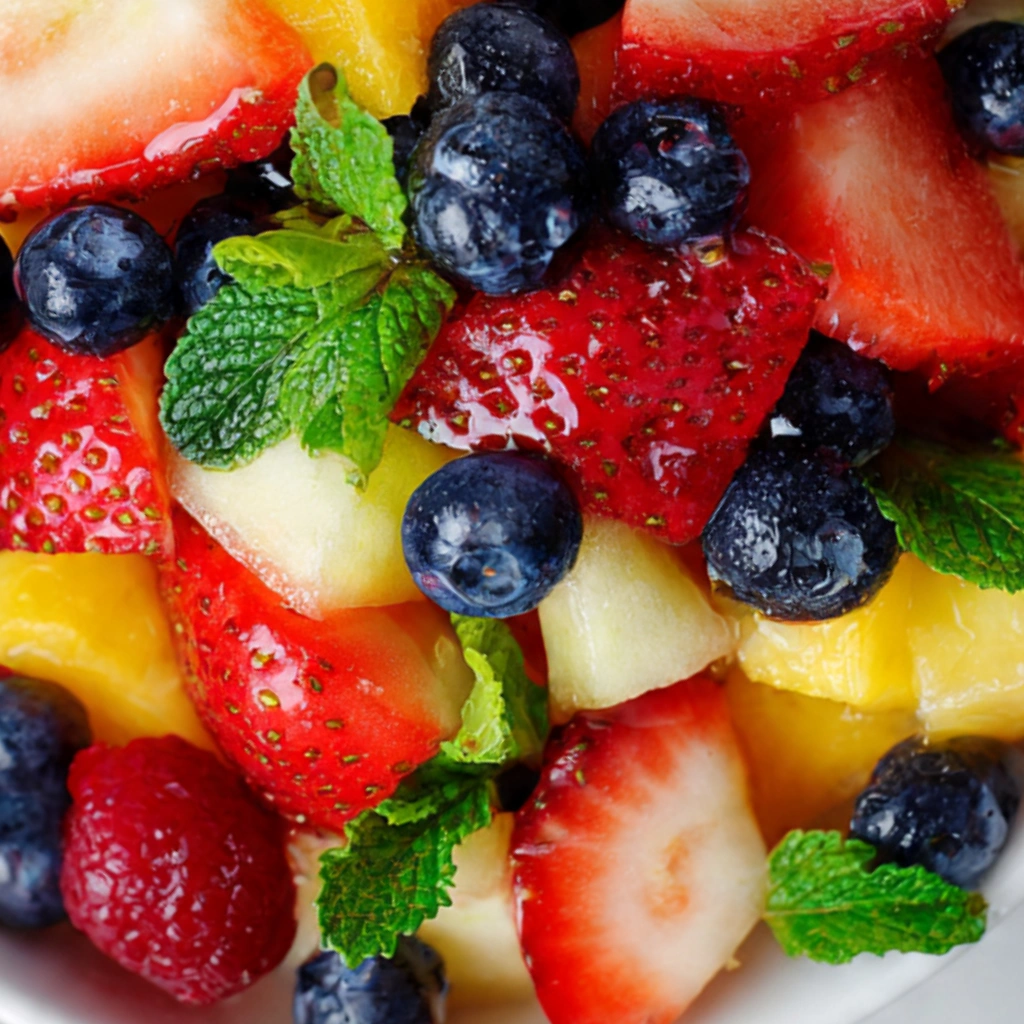
Over time, I’ve learned that fruit salad is less about the ingredients and more about how you treat them. Drying the fruit properly is something I used to rush, and it always came back to haunt me with watery results. Another thing I pay attention to now is cutting everything into similar sizes—it makes each bite feel balanced instead of chaotic. And don’t underestimate the citrus; that little bit of orange juice isn’t just for flavor, it preserves the texture and color of the fruit in a way that feels almost magical. If you’re serving this for guests, taste it right before it goes on the table. Fruit changes, even within an hour, and a small adjustment at the end makes all the difference.
Variations & Substitutions
There have been plenty of times I didn’t have all these fruits on hand, and honestly, some of my favorite versions came from those moments. Pineapple adds a tropical sweetness that completely changes the mood of the dish, while mango brings a soft, almost buttery texture that feels indulgent. If I’m out of oranges, I’ve used lemon juice in a pinch—it’s sharper, but it still does the job. And once, during a late summer evening, I tossed in a handful of pomegranate seeds I had leftover, and that unexpected crunch became the star of the bowl. That’s the beauty of fruit salad—it forgives you, adapts with you, and sometimes surprises you.
Serving Suggestions
I like to serve this fruit salad slightly chilled, not ice-cold, because that’s when the flavors really come through. It’s perfect alongside a simple breakfast, maybe with some yogurt and granola, or as a refreshing side at a barbecue where everything else feels a bit heavy. On warmer days, I’ve even served it as a light dessert after dinner, especially when no one wants anything too rich. If you’re hosting, try serving it in a wide, shallow bowl rather than a deep one—it keeps the fruit from getting crushed and makes it look as inviting as it tastes.
Storage & Reheating Instructions
Fruit salad doesn’t really need reheating, but storing it properly is what keeps it enjoyable the next day. I usually transfer leftovers into an airtight container and keep it in the fridge for up to two days, though it’s always best within the first 24 hours. You’ll notice the fruit releases more juice as it sits—that’s natural—but giving it a gentle stir before serving helps redistribute everything. If the bananas start to look a little tired, I sometimes pick them out and add fresh slices just before serving again.
Recipe FAQs (Answered by Clara)
Can I make this ahead of time?
You sure can. I often prepare it in the morning, cover it tightly, and pop it in the fridge. It actually tastes better after resting.
What’s the best spiralizer to use?
For fruit salad, I don’t usually spiralize anything, but if I want a decorative touch, I’ll use a simple handheld slicer for things like apples or kiwi. Nothing fancy—just something that gives a bit of variation in shape.
Can I serve it cold?
Yes, and I usually do. Just don’t serve it straight from the fridge if it’s very cold—let it sit for a few minutes so the flavors can open up.
How do I make it less watery?
This was my biggest struggle at first. Make sure your fruit is completely dry before cutting, and don’t skip the citrus—it helps hold everything together. Also, avoid overripe fruit, especially strawberries and bananas.
Conclusion
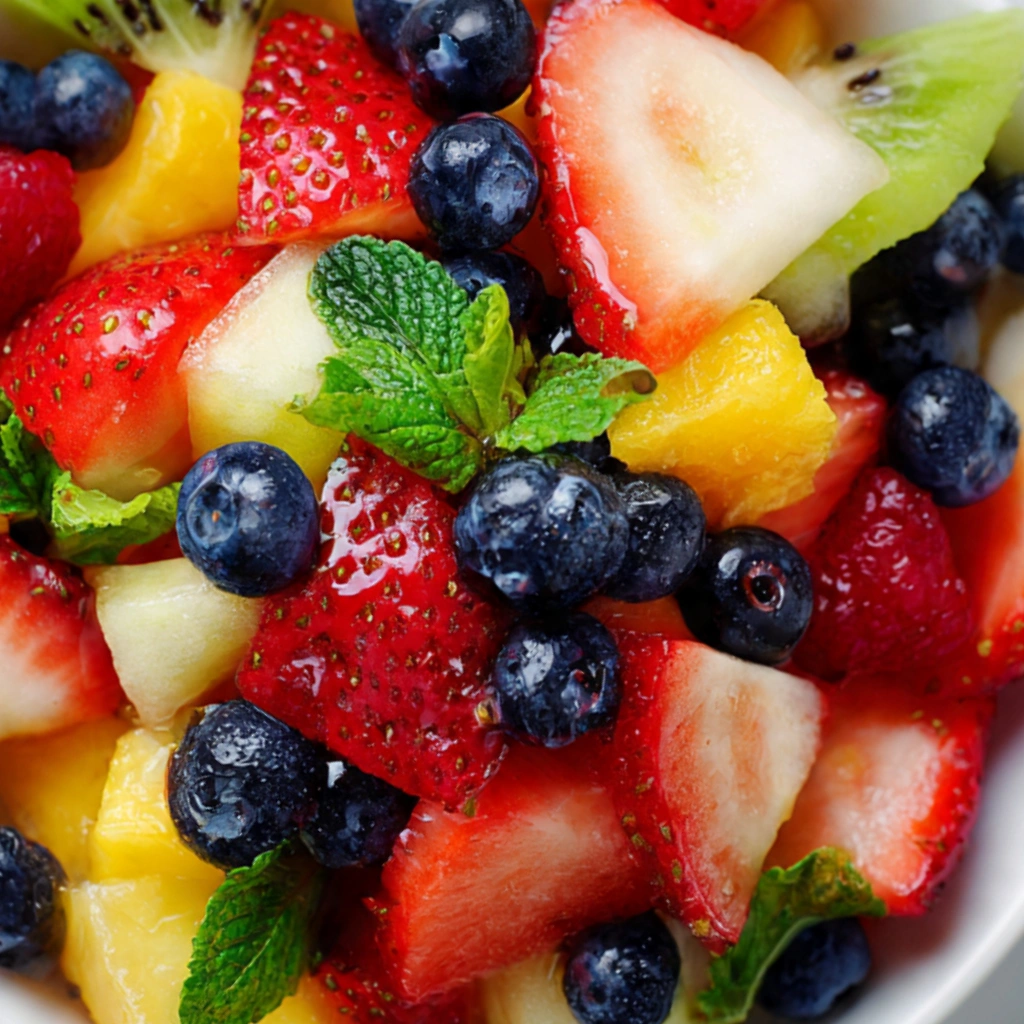
If you’ve ever thought fruit salad was too simple to get wrong, I’ve been right there with you. But once you slow down and treat each ingredient with a little care, it turns into something entirely different—something fresh, balanced, and quietly impressive. I hope you give this version a try and make it your own along the way. And if you do, I’d love to hear how it turned out in your kitchen.
Fruit Salad
Ingredients
- 1 cup strawberries sliced
- 1 cup blueberries
- 1 cup pineapple diced
- 1 cup grapes halved
- 2 kiwis peeled and sliced
- 1 banana sliced
- 1 orange segmented
For the Dressing (Optional):
- 2 tablespoons honey
- 1 tablespoon fresh lime or lemon juice
- ½ teaspoon vanilla extract optional
Instructions
Prepare the fruit:
- Wash, peel, and cut all fruits into bite-sized pieces.
Make the dressing (optional):
- In a small bowl, whisk together honey, lime or lemon juice, and vanilla.
Combine:
- Place all fruit in a large bowl.
- Drizzle the dressing over the fruit if using.
Toss gently:
- Mix carefully to avoid crushing softer fruits.
Serve:
- Serve immediately or chill for 30 minutes before serving.
Notes
- Best fruits: Use seasonal fruits for the freshest flavor.
- Prevent browning: Add citrus juice to keep fruits like bananas fresh.
- Make ahead: Prepare a few hours in advance, but add bananas just before serving.
- Variations: Add mint leaves, coconut flakes, or yogurt for extra flavor.