I still remember the first time I made pesto chicken, though at the time I didn’t even know that’s what it would become. It started on a late weekday evening when I had exactly one chicken breast in the fridge, a half-empty jar of pesto sauce, and a stubborn refusal to order takeout again. I was tired in that deep, quiet way that only comes from a long day of work and an even longer mental list of things still undone.
I had grown up thinking “simple dinner” meant plain food, but somewhere along the way I learned that simple can also mean thoughtful. That night, I sliced the chicken thin, warmed a pan, and let the pesto do what it does best—turn something ordinary into something that feels like it had more effort behind it than it actually did.
When I took that first bite, I remember thinking, “This is too good for how little I did.” And that’s really when I started making pesto chicken regularly. Over time, I tested it with different cuts of chicken, different pestos, even homemade versions when I had the patience. It became one of those dependable recipes that doesn’t ask much but gives a lot in return.
Why You’ll Love This Recipe
- It comes together quickly with simple ingredients you probably already have
- The flavor feels fresh, rich, and comforting at the same time
- It works just as well for busy weeknights as it does for casual guests
- Leftovers reheat beautifully and can be used in sandwiches or salads
- It’s flexible enough to adapt based on what’s in your kitchen
Ingredients You’ll Need
For pesto chicken, I always say the ingredient list is short, but each piece matters in its own way. You don’t need anything fancy here, just good basics handled with care.
- Chicken breasts or thighs
I personally lean toward chicken thighs when I want juiciness and forgiveness in cooking time. Breasts work too, especially if you slice them evenly so they cook consistently. - Basil pesto
Store-bought works perfectly fine here, and I’ve used many jars over the years. When I have fresh basil and time, I’ll blend my own with olive oil, garlic, pine nuts, and Parmesan, but I never pressure myself into doing that unless I actually feel like it. - Olive oil
Just a small amount helps the chicken sear properly and carry flavor. - Garlic
Fresh minced garlic adds warmth and depth, especially if your pesto is on the milder side. - Salt and black pepper
Simple seasoning, but essential. I always remind myself not to skip this step, even though pesto is already seasoned. - Parmesan cheese (optional but highly recommended)
I like to finish the dish with a light dusting. It melts slightly into the pesto and gives it that restaurant-style finish without effort. - Lemon juice (optional)
A small squeeze at the end brightens everything. I didn’t use to add it, but once I started, I never stopped.
How to Make It (Step-by-Step Instructions)
Step 1: Prepare and season the chicken
Start by patting the chicken dry with a paper towel. I used to skip this step and wondered why my chicken didn’t brown properly—this is one of those small lessons that changed my cooking results more than any fancy technique ever did. Once dry, season both sides with salt and pepper. If your chicken pieces are thick, consider slicing them horizontally so they cook evenly and absorb more flavor.
Step 2: Sear the chicken
Heat a large skillet over medium heat and add olive oil. When the oil is warm but not smoking, place the chicken in the pan. Let it sear without moving it too quickly. This is where patience matters more than skill. I used to flip too early, thinking I was preventing burning, but all I was doing was losing that golden crust. Cook until each side is lightly golden and the chicken is nearly cooked through.
Step 3: Add garlic and pesto
Once the chicken is mostly cooked, reduce the heat slightly and add the minced garlic. Stir it quickly so it doesn’t burn—garlic can turn bitter in seconds if ignored. Then spoon in the pesto, coating each piece of chicken generously. At this point, the kitchen smells like something you’d want to eat immediately, and honestly, that’s usually when I start tasting “just to check,” even though I already know it’s good.
Let everything simmer gently for a few minutes so the flavors settle together and the chicken finishes cooking through.
Step 4: Finish and serve
Turn off the heat and, if you like, add a squeeze of fresh lemon juice. Sprinkle Parmesan over the top and let it melt slightly into the warm pesto. I usually serve it right from the pan because it feels more relaxed that way, but plating it neatly over pasta or rice works beautifully too.
Expert Tips for the Best Results
Over the years, I’ve learned that pesto chicken isn’t complicated, but it does reward attention to small details. Don’t rush the searing step, because that golden surface is where a lot of flavor develops. Also, don’t drown the chicken in pesto too early—adding it toward the end keeps it fresh and prevents it from becoming heavy or oily. I’ve also found that letting the chicken rest for a few minutes after cooking makes a noticeable difference in juiciness. Most importantly, taste your pesto before using it. Some brands are saltier or more garlicky than others, and adjusting early helps balance the whole dish without guessing at the end.
Variations & Substitutions
One of the reasons I come back to pesto chicken so often is how forgiving it is. I’ve made it with spinach pesto when basil wasn’t available, and once I even used a sun-dried tomato pesto that completely changed the flavor profile in a good way. When I don’t have chicken, I’ve used shrimp or even sliced turkey cutlets, and both worked surprisingly well. For a lighter version, I sometimes skip the Parmesan and lean more on lemon juice for brightness. And on nights when I want something heartier, I’ll stir in a splash of cream at the end, which turns the sauce into something richer and more comforting. This is one of those recipes that adapts to your kitchen rather than demanding you adapt to it.
Serving Suggestions
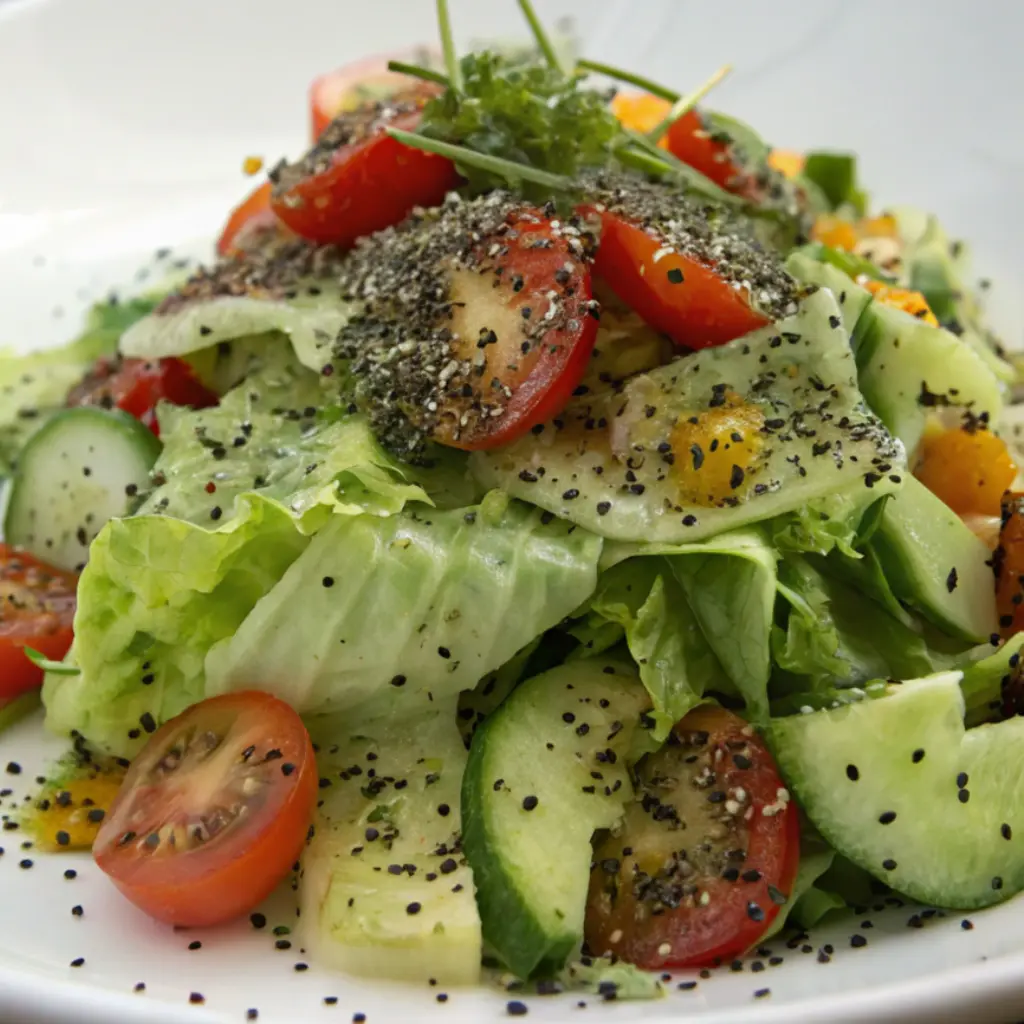
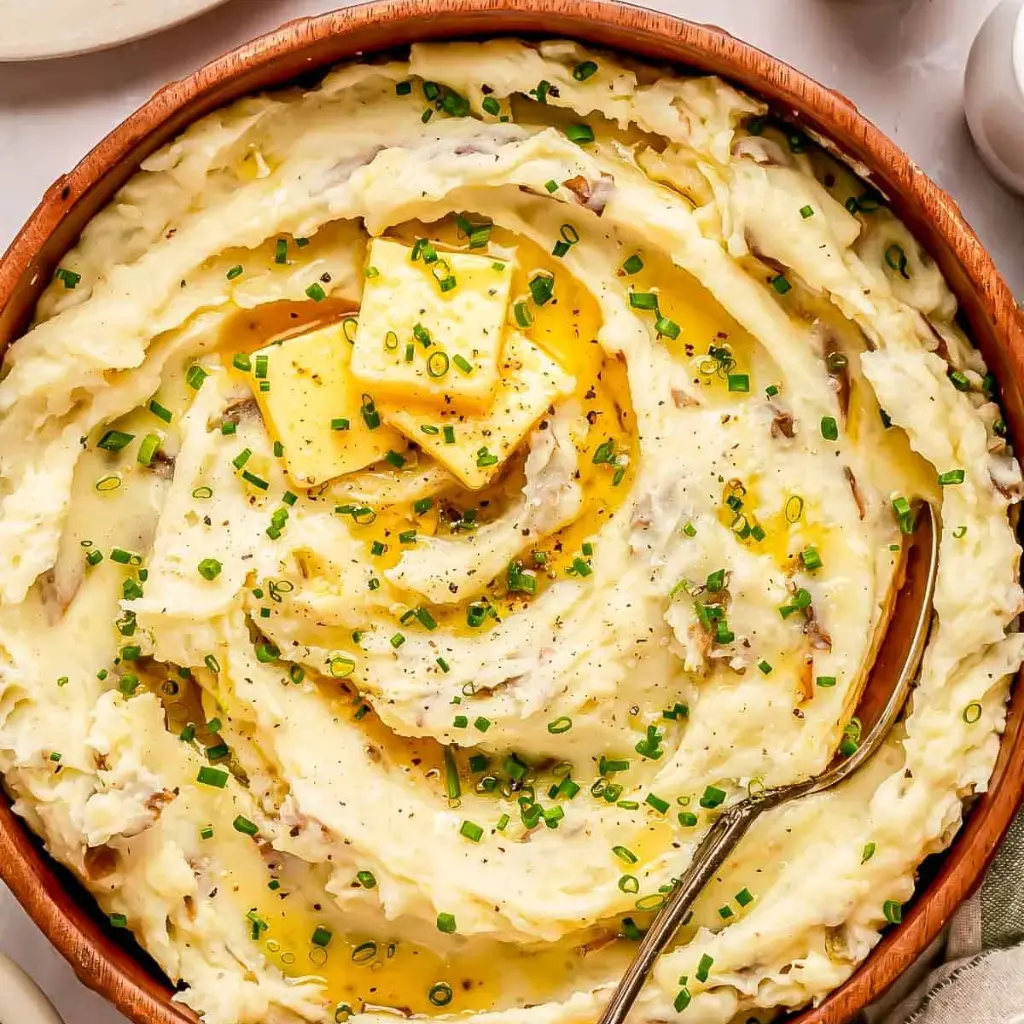
I usually serve pesto chicken over warm pasta, especially something that holds sauce well like penne or fettuccine, but it’s just as good with simple rice or even mashed potatoes when I want comfort food without overthinking it. On warmer days, I’ll slice it and add it to a salad with cherry tomatoes, cucumbers, and a little extra pesto as dressing. It also works beautifully in sandwiches or wraps the next day, especially if you add fresh greens for crunch. Honestly, it fits into almost any meal situation, which is part of why it stays in my regular rotation.
Storage & Reheating Instructions
If you have leftovers, store them in an airtight container in the refrigerator for up to three days. I’ve noticed that the pesto thickens slightly as it sits, which actually helps it cling better to the chicken when reheated. When warming it back up, I prefer using a skillet over low heat with a tiny splash of water or olive oil to loosen the sauce. The microwave works too, but I find the texture is better when reheated gently on the stove. The flavors tend to deepen overnight, so sometimes I even think it tastes better the next day.
Recipe FAQs (Answered by Clara)
Can I make this ahead of time?
You sure can. I often prepare it in the morning, cover it tightly, and pop it in the fridge. It actually tastes better after resting.
What’s the best spiralizer to use?
For pesto chicken specifically, I don’t usually spiralize anything, but when I want a lighter base, I like using a simple handheld spiralizer for zucchini noodles. Nothing fancy is required—just something that gets the job done without frustration.
Can I serve it cold?
Yes, and I actually enjoy it that way sometimes. Cold pesto chicken over salad or tucked into a sandwich makes a really good lunch the next day.
How do I make it less watery?
This usually comes down to either too much pesto or not letting the chicken sear properly. I’ve learned that drying the chicken well and adding pesto only after searing helps keep everything thick and balanced instead of watery.
Conclusion
Pesto chicken is one of those recipes that reminds me why I started cooking more intentionally at home in the first place. It doesn’t rely on complexity or long ingredient lists—it just works, quietly and reliably, every single time. I hope you try it in your own kitchen and make it your own, whether that means sticking closely to the basics or adjusting it to whatever you have on hand.
If you do make it, I’d genuinely love to hear how it turned out for you. These are the kinds of recipes that evolve from kitchen to kitchen, and I always find it interesting how small changes can create something new. Most of all, I hope it becomes one of those dependable meals you can turn to when you don’t want to think too hard but still want something that feels like real cooking.
Nutrition Information (Optional)
Per serving (approximate):
Calories: 320–420
Protein: 30–35g
Fat: 18–28g
Carbohydrates: 2–6g
Fiber: 0–2g
Sodium: varies depending on pesto used
Pesto Chicken
Ingredients
- 4 boneless skinless chicken breasts (or thighs)
- ½ cup basil pesto
- 1 tablespoon olive oil
- ½ teaspoon salt
- ¼ teaspoon black pepper
- ½ cup cherry tomatoes optional
- ¼ cup grated Parmesan cheese optional
Instructions
Preheat oven to 375°F (190°C). Lightly grease a baking dish.
Prepare the chicken:
- Pat chicken dry and season with salt and pepper.
Add pesto:
- Spread pesto evenly over each piece of chicken.
Arrange in dish:
- Place chicken in the baking dish and drizzle with olive oil.
- Add cherry tomatoes around the chicken if using.
Bake:
- Bake for 20–25 minutes, or until the chicken is fully cooked (internal temp 165°F / 74°C).
Finish and serve:
- Sprinkle with Parmesan cheese before serving if desired.
- Serve warm with your favorite sides.
Notes
- Extra flavor: Add mozzarella on top and broil for a cheesy finish.
- Grill option: Grill chicken and brush with pesto during the last few minutes.
- Homemade pesto: Use fresh basil, garlic, pine nuts, Parmesan, and olive oil.
- Storage: Refrigerate leftovers for up to 3 days.